Understanding the unique needs of each ski student is key to delivering personalized and effective lessons. Every learner comes with different skill levels, goals, and learning styles, making a one-size-fits-all approach ineffective.
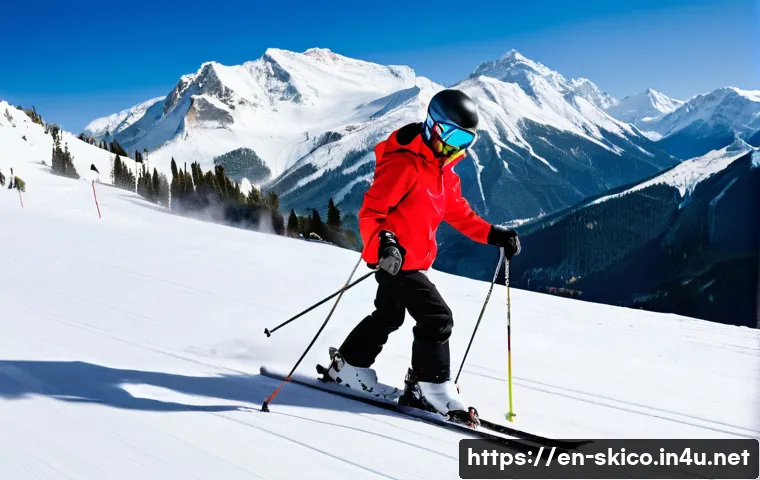
By analyzing these individual preferences and challenges, ski instructors can tailor their coaching methods to maximize progress and enjoyment. This insight not only boosts student confidence but also enhances overall satisfaction and retention.
Let’s dive deeper and explore how to accurately assess and meet your clients’ specific needs!
Decoding Individual Learning Styles on the Slopes
Visual vs. Kinesthetic Learners
Understanding whether a student learns best through watching or doing can dramatically change how you deliver instructions. Visual learners thrive when they see demonstrations, gestures, or diagrams that map out movements before trying themselves.
Kinesthetic learners, on the other hand, grasp concepts faster by physically engaging in the activity, often needing to feel the motion repetitively to internalize it.
As an instructor, observing how your student reacts to different teaching methods early on can help you decide if you should focus more on showing or letting them dive in hands-on.
Auditory Learners and the Power of Clear Verbal Guidance
Some students absorb information best through spoken words. They benefit from detailed explanations, rhythmic cues, and verbal encouragement throughout the lesson.
For these learners, your tone, clarity, and pacing of speech are crucial. I’ve noticed that using metaphors related to music or rhythm, like “imagine the slope as a steady beat,” really helps auditory learners grasp timing and flow on skis.
Incorporating questions and feedback loops keeps them engaged and confirms understanding.
Adapting to Mixed Learning Preferences
Most students don’t fit neatly into one category; they often combine elements of visual, kinesthetic, and auditory styles. The trick is to blend your teaching techniques fluidly during a session.
For instance, start with a quick demonstration (visual), follow up with clear verbal instructions (auditory), and then let the student practice with hands-on guidance (kinesthetic).
This layered approach keeps lessons dynamic and personalized, ensuring no one feels left behind or overwhelmed.
Assessing Skill Levels Beyond the Basics
Initial Observation and Informal Testing
Instead of relying solely on what students say about their abilities, watching them in action provides more accurate insights. A casual warm-up run can reveal balance issues, turning techniques, or hesitation that might not surface in conversation.
I often ask students to perform simple maneuvers like a wedge turn or straight glide, then gauge their comfort and control. This informal testing helps tailor your next steps without making the student feel judged or pressured.
Setting Realistic Goals with Students
Everyone hits the slopes with different expectations—some aim for casual enjoyment, others dream of mastering black diamond runs. Sitting down with your client to discuss what they want to achieve in the short and long term not only sets a clear direction but also builds rapport.
I’ve found that breaking big goals into smaller, measurable milestones keeps motivation high and progress visible, which is key to maintaining enthusiasm.
Tracking Progress Objectively
Keeping notes or simple checklists after each lesson can help track skill improvements and recurring challenges. Over time, this documentation becomes a valuable resource to adjust lesson plans and celebrate achievements.
For example, if a student struggles consistently with edge control, dedicating a few sessions to drills focused on that skill can accelerate growth. Plus, sharing this progress with students boosts their confidence—they see tangible proof of their hard work paying off.
Leveraging Personality Insights for Better Communication
Recognizing Confidence Levels
Some students come with natural confidence, while others may be nervous or self-conscious about skiing. Picking up on these emotional cues early allows you to tailor your encouragement and pacing.
For hesitant learners, I use positive reinforcement and smaller challenges to build trust and reduce anxiety. Confident skiers often appreciate a faster pace and more technical tips, so adjusting your approach accordingly keeps the experience enjoyable for all.
Handling Different Motivation Types
Motivation can stem from various sources: competition, social interaction, fitness, or pure fun. Knowing what drives each student helps you frame lessons in ways that resonate.
For instance, a fitness-focused client might enjoy drills emphasizing endurance and strength, while a social skier may prefer group activities or playful challenges.
I once had a student who loved tracking stats and times, so integrating small time trials turned practice into a game that kept them hooked.
Building Rapport Through Empathy
Taking the time to listen to your student’s fears, frustrations, or past experiences fosters a stronger connection. I’ve learned that sharing my own early skiing mishaps creates a more relaxed atmosphere and encourages openness.
This empathy not only improves communication but also helps uncover hidden obstacles—like fear of falling—that you can address specifically during lessons.
Utilizing Technology to Enhance Customization
Video Analysis for Real-Time Feedback
Recording a student’s runs and reviewing the footage together can be a game changer. It allows learners to see exactly what’s happening with their form and technique, making abstract corrections concrete.
I’ve seen clients light up when they spot small improvements on screen that they hadn’t felt themselves, reinforcing positive habits and clarifying areas needing work.
Wearable Devices and Performance Metrics
GPS trackers, heart rate monitors, and even ski-specific sensors are becoming increasingly accessible. These tools provide data on speed, turns, and exertion levels, giving instructors objective insights to fine-tune training intensity and focus.
While not everyone embraces gadgets, I found that tech-savvy students appreciate the analytical side, especially when paired with traditional coaching.
Apps for Scheduling and Communication
Using apps to coordinate lesson times, share progress reports, and send personalized tips keeps students engaged outside the slopes. This continuous connection shows commitment and care, which clients notice and value.
For example, after a lesson, I often send a quick video recap or reminder of key points, helping learners stay on track and feel supported.
Designing Flexible Lesson Plans That Adapt
Incorporating Student Feedback Mid-Lesson
The best lesson plans aren’t rigid scripts but frameworks open to adjustment. Asking students how they feel about the pace, difficulty, or particular drills during breaks helps you pivot instantly.
I remember a lesson where a client was visibly frustrated with a complex turn sequence; switching to simpler exercises and then gradually increasing difficulty made all the difference.
Balancing Challenge and Comfort Zones
Progress happens when students stretch their limits but don’t feel overwhelmed. Striking this balance is an art that requires constant observation and empathy.
I often use the “two steps forward, one step back” approach—introducing new skills while reinforcing basics—to keep momentum steady without burnout.
Integrating Variety to Maintain Engagement
Repeating the same drills can quickly lead to boredom or plateauing. Mixing terrain types, incorporating games, or varying lesson structure keeps excitement high.
For example, alternating between groomed slopes and powder runs or using obstacle courses can inject fun and challenge simultaneously, catering to both motivation and skill development.
Recognizing and Accommodating Physical Limitations
Assessing Fitness and Endurance Levels
Skiing demands cardiovascular fitness, strength, and flexibility, but not all students have the same physical base. Early conversations about health conditions, previous injuries, or stamina help you tailor lesson intensity.
I’ve noticed that pacing lessons to include frequent rest breaks or lower-impact exercises prevents fatigue and reduces injury risk, especially for older or less fit clients.
Modifying Techniques for Comfort and Safety
Certain physical limitations may require adapting skiing techniques or equipment. For example, a student with knee issues might benefit from modified turning styles or softer boot settings.
Communicating openly about discomfort during lessons encourages adjustments, ensuring the student’s safety and enjoyment.
Encouraging Cross-Training and Preparation
Suggesting off-slope activities like yoga, balance training, or strength workouts can enhance skiing performance. I often share simple exercises tailored to individual needs, reinforcing the idea that preparation outside the snow improves results on it.
This holistic approach builds trust and shows your commitment beyond the lesson itself.
Effective Communication Strategies for Diverse Clients
Using Clear, Simple Language
Technical jargon can overwhelm beginners or non-native speakers. Breaking down complex concepts into everyday language and using relatable analogies makes instructions more accessible.
I recall a time when describing weight distribution as “leaning like you’re pressing a pedal” helped a nervous student grasp the idea instantly.
Non-Verbal Cues and Demonstrations
Sometimes words aren’t enough, especially in noisy environments or when language barriers exist. Using hand signals, body language, and exaggerated demonstrations bridges gaps in understanding.
I always keep my movements clear and deliberate, which reassures students that they’re on the right track.
Checking for Understanding and Encouraging Questions
Pausing regularly to ask if the student understands or inviting them to explain back the instructions ensures clarity. Creating a safe space for questions prevents confusion from piling up.
I’ve found that students who feel comfortable speaking up progress faster and enjoy lessons more because they’re actively involved in the learning process.
| Student Profile | Preferred Learning Style | Motivation Driver | Lesson Adaptation |
|---|---|---|---|
| Beginner Visual Learner | Visual | Fun and Confidence Building | Demonstrations, slow-paced drills, positive feedback |
| Intermediate Kinesthetic Learner | Kinesthetic | Skill Mastery | Hands-on practice, muscle memory drills, varied terrain |
| Advanced Auditory Learner | Auditory | Technical Perfection | Detailed verbal cues, rhythm-based exercises, video analysis |
| Senior with Physical Limitations | Mixed | Safe Enjoyment | Modified techniques, frequent breaks, fitness recommendations |
| Competitive Young Adult | Mixed | Performance and Stats | Data tracking, timed drills, goal-setting |
In Conclusion
Understanding the unique learning styles, motivations, and physical abilities of each student is key to crafting effective ski lessons. By combining observation, communication, and technology, instructors can create personalized experiences that boost confidence and skill. Remember, flexibility and empathy are just as important as technique in helping learners progress safely and enjoyably.
Useful Information to Keep in Mind
1. Tailor your teaching style by identifying if the student learns best visually, kinesthetically, or auditorily to maximize engagement and retention.
2. Use informal assessments and clear goal-setting to set realistic expectations and maintain motivation throughout the learning journey.
3. Pay attention to personality traits like confidence and motivation type to customize pacing and lesson content effectively.
4. Leverage technology such as video analysis and wearable devices to provide objective feedback and enhance learning outside of the slopes.
5. Maintain open communication with simple language, non-verbal cues, and regular check-ins to ensure understanding and build trust.
Key Takeaways
Successful ski instruction hinges on a personalized approach that respects each learner’s style and limitations. Observing and adapting to their needs in real-time fosters progress and enjoyment. Combining empathy with practical tools and flexible lesson plans ensures every student feels supported and motivated. Ultimately, great teaching balances challenge with encouragement, creating a safe and inspiring environment for all skill levels.
Frequently Asked Questions (FAQ) 📖
Q: How can ski instructors effectively assess the individual skill levels and learning styles of their students?
A: The best way to assess a student’s skill level is through a combination of direct observation and open conversation. I usually start with a few simple drills to see how comfortable they are on the slopes, paying close attention to their balance, control, and confidence.
At the same time, I ask questions about their previous experience and what they hope to achieve. Understanding whether they learn best by watching, listening, or doing helps me tailor my approach.
For example, some learners respond well to visual demonstrations, while others prefer detailed verbal explanations or hands-on guidance. This initial assessment sets the foundation for a truly personalized lesson.
Q: What strategies can instructors use to tailor lessons to different goals and motivations among ski students?
A: From my experience, motivation varies widely—some students want to master advanced techniques, while others just want to enjoy a safe, fun day on the mountain.
To address this, I always start by clarifying their personal goals and expectations. If someone is aiming to compete, I focus more on precision and technique refinement.
For recreational skiers, I emphasize comfort and confidence-building exercises. I also break down lessons into achievable milestones, celebrating small wins along the way.
This approach keeps students motivated and engaged, making the learning process feel rewarding rather than overwhelming.
Q: How does personalizing ski lessons impact student confidence and retention over time?
A: Personalization makes a huge difference. When students feel that their unique needs and preferences are understood, they’re more likely to trust their instructor and stay committed to learning.
I’ve noticed that tailored lessons lead to quicker progress, which naturally boosts confidence. This positive feedback loop encourages students to return season after season.
On the other hand, a generic one-size-fits-all lesson often leaves learners frustrated or bored, increasing dropout rates. So, investing time upfront to customize the lesson plan not only improves the student’s experience but also helps build a loyal client base.