Passing the practical ski instructor exam can feel like a daunting challenge, especially when every move on the slopes counts. From mastering precise turns to demonstrating confident control, the test demands both skill and composure under pressure.

Having gone through the process myself, I know how crucial it is to prepare not just physically but mentally as well. Small tips and tricks can make a huge difference in performance and confidence on exam day.
Whether you’re a beginner aiming for certification or looking to sharpen your technique, understanding what examiners expect is key. Let’s dive into the essential strategies and insider advice that will help you glide through with success!
Refining Your Edge Control for Smooth Turns
Understanding the Importance of Edge Engagement
When I first tackled the practical ski instructor exam, edge control quickly became the focus of my practice sessions. The examiners expect you to demonstrate precise and fluid turns, which hinge on how well you engage your ski edges.
It’s not just about digging in hard; it’s about modulating pressure to maintain grip without skidding out. I found that experimenting on different slope gradients helped me feel the subtle shifts in edge pressure.
Visualizing your skis slicing through the snow like a knife through butter can be a helpful mental cue. Also, staying relaxed in your lower body prevents unnecessary tension that can dull your edge control.
Drills to Enhance Edge Sensitivity
One drill that made a huge difference for me was the “railroad track” exercise, where you focus on carving clean, parallel tracks in the snow without any skidding.
I would start on gentle slopes, gradually increasing speed while concentrating on the smooth transition of edges from one turn to the next. Another useful drill involves short-radius turns with exaggerated angulation, which forces you to actively manage edge grip.
Practicing these repeatedly builds muscle memory, so when exam nerves kick in, your body instinctively knows how to maintain edge control. The key is consistency; even a few minutes of targeted edge work daily can dramatically improve your carving precision.
Common Pitfalls and How to Avoid Them
A mistake I often saw among fellow candidates was over-leaning into turns, which causes the skis to lose their grip and slide out unpredictably. Instead, balance is everything—think of distributing your weight evenly between both skis while subtly shifting pressure during turns.
Another trap is stiffening your ankles and knees, which limits your ability to respond fluidly to terrain changes. To avoid this, I made it a habit to keep my joints soft and reactive, almost like a spring that adapts to every bump or edge change.
Remember, smoothness beats brute force every time in the examiner’s eyes.
Mastering Body Position and Balance Dynamics
Finding the Optimal Stance for Stability
A solid stance is the foundation of everything on the slopes. During my exam prep, I realized that standing too upright or leaning too far forward could throw off my balance and reduce control.
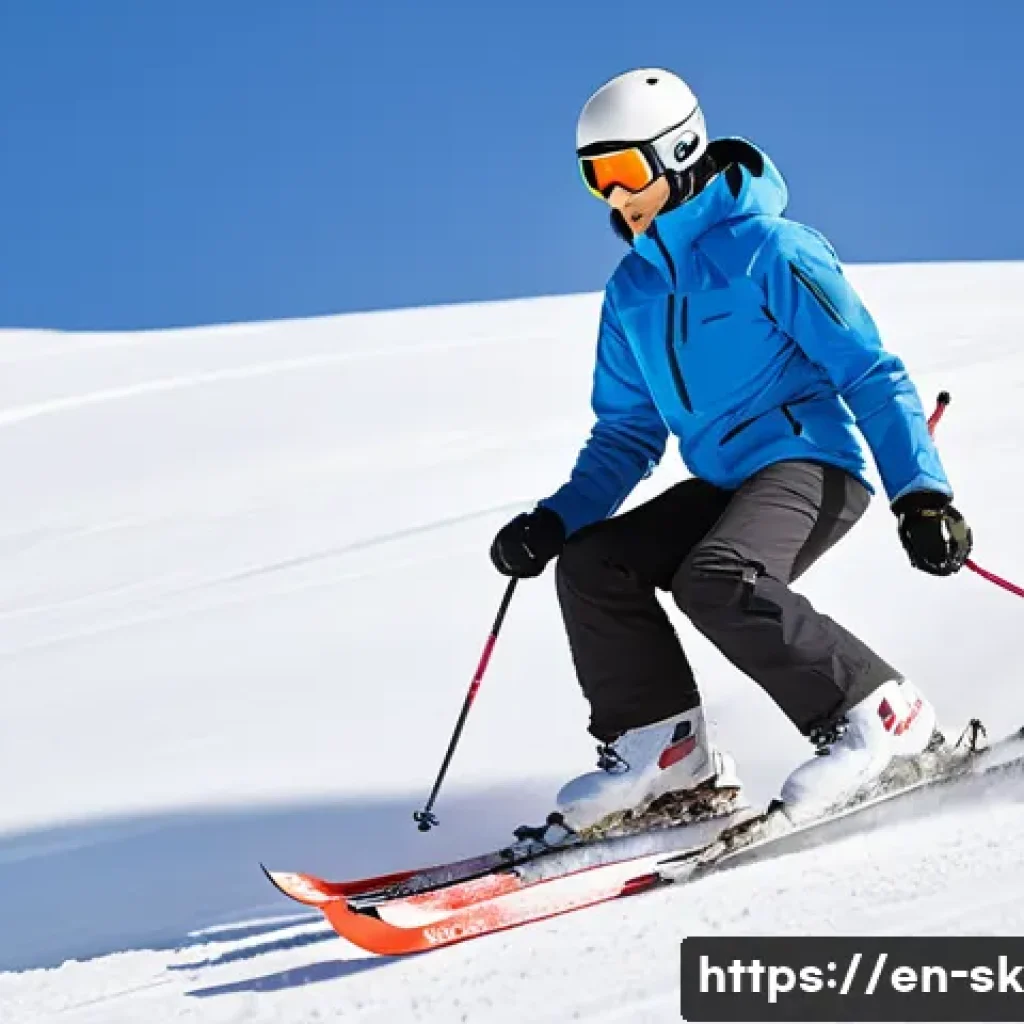
The ideal posture involves a slight forward lean from the ankles, keeping your hips above your feet, and maintaining a strong core engagement. This position allows for quick adjustments and better absorption of bumps or changes in snow conditions.
I often reminded myself to “stay athletic” – as if ready to sprint – which helped maintain alertness and balance throughout the test runs.
Using Your Upper Body to Complement Ski Movements
Many candidates underestimate the role of their upper body during skiing. I noticed that subtle rotations of the torso and controlled arm positioning can enhance turn initiation and balance.
For example, pointing your leading hand slightly downhill while keeping your shoulders aligned with the skis helps direct momentum and maintain flow. During practice, I consciously worked on minimizing unnecessary upper body twists, which can destabilize your center of mass.
The examiners look for harmony between your upper and lower body, so cultivating this coordination is a game changer.
Adjusting Balance for Varied Terrain
Skiing isn’t always about perfect groomers; unpredictable terrain requires dynamic balance adjustments. I practiced shifting my weight slightly uphill or downhill depending on slope steepness and snow texture.
For instance, on icy patches, leaning a bit more forward helped me keep edge hold, whereas in powder, a more centered stance prevented sinking. Learning to “read” the snow and adapt balance accordingly not only improves performance but also shows examiners your versatility as an instructor.
It’s like having a conversation with the mountain, responding intuitively to its cues.
Communicating Clearly Through Demonstrations
Projecting Confidence with Your Movements
From personal experience, how you carry yourself on the slope speaks volumes to the examiners. Confident skiing isn’t about flashy tricks but about smooth, purposeful movements that reflect control and understanding.
I made it a point to ski with deliberate intention, avoiding hesitation or abrupt stops that might signal uncertainty. This subtle confidence can be practiced by setting clear goals for each run, such as “clean turns with consistent rhythm” or “maintain balance through variable terrain.” When your body language says you belong on those skis, it leaves a strong impression.
Verbal Explanation During the Exam
Some parts of the practical test involve explaining your techniques or decisions. I found that keeping explanations simple yet precise worked best. For example, instead of saying “I’m flexing my ankles,” I’d explain, “I’m leaning slightly forward to keep my skis engaged.” Practicing these verbal cues beforehand helped me avoid fumbling under pressure.
Also, matching your words with your movements makes it easier for examiners to follow your logic and teaching ability. Remember, you’re not only showing you can ski but also that you can communicate effectively as an instructor.
Engaging with the Examiner’s Feedback
Receiving feedback during the exam can be nerve-wracking, but how you respond is crucial. I learned to listen actively without getting defensive, then demonstrate willingness to adjust immediately.
Showing adaptability signals professionalism and confidence in your skillset. If an examiner suggests a tweak, try to implement it smoothly rather than overthinking.
This responsiveness often tips the scale in your favor, as it proves you’re coachable and capable of continuous improvement, essential traits for any ski instructor.
Optimizing Equipment Setup for Peak Performance
Selecting the Right Skis and Boots
Your gear can make or break your performance, so choosing the right equipment is critical. I recommend using skis that match your skill level and the exam requirements—usually something versatile with good edge grip and moderate length.
Boots should fit snugly but comfortably, providing enough support without restricting movement. I personally invested time getting custom footbeds to improve alignment and reduce fatigue.
Don’t underestimate how much well-fitted boots enhance your balance and control throughout the exam.
Regularly Checking and Tuning Your Gear
Before the exam day, I made it a ritual to have my skis professionally tuned. Sharp edges and properly waxed bases dramatically improve glide and turning precision.
Even minor dullness can lead to skidding or hesitation, which examiners notice immediately. I also checked bindings to ensure they released appropriately for safety without compromising performance.
Establishing this maintenance routine gave me peace of mind, letting me focus on skiing rather than worrying about gear failures.
Adapting Gear to Weather and Snow Conditions
Weather plays a huge role in ski performance. I learned to adjust my gear setup based on snow temperature and texture. For colder, icy conditions, I preferred a harder wax and slightly more aggressive edge angles for grip.
On softer, warmer snow, a smoother wax and less aggressive edges allowed for easier turn initiation. Bringing a small tuning kit for quick adjustments between runs can be a smart move.
This proactive approach showed examiners your preparedness and professionalism, essential for instructing diverse groups.
Building Mental Resilience and Exam Day Strategy
Managing Anxiety and Staying Focused
The pressure of the exam can easily rattle even seasoned skiers. I found that breathing exercises and visualization techniques helped calm my nerves before hitting the slopes.
Picturing yourself skiing confidently and smoothly can mentally prepare you to execute under stress. Also, breaking the exam down into smaller tasks—like focusing on one turn at a time—makes the process less overwhelming.
Reminding yourself that perfection isn’t the goal, but consistent effort is, helped me stay grounded and present throughout the test.
Planning Your Warm-Up and Practice Runs
Arriving early to the exam venue allowed me to get a feel for the snow and do a proper warm-up, which I can’t stress enough. I spent at least 20 minutes on easy runs, gradually increasing intensity to awaken my muscles and fine-tune balance.
This preparation helped me avoid stiffness and gave me confidence to tackle the exam sections. I also scoped out the exam route to anticipate tricky spots, so I wasn’t caught off guard.
A thoughtful warm-up routine is a silent advantage that sets a positive tone for the entire day.
Maintaining Energy and Focus Throughout the Exam
Exam day can stretch over several hours, so pacing yourself is crucial. I made sure to stay hydrated and snack on energy-boosting foods like nuts and fruit to avoid crashes.
Taking brief mental breaks between runs helped me reset focus and avoid burnout. When fatigue starts creeping in, I remind myself to shorten my turns slightly and keep movements efficient rather than overexerting.
This sustainable approach not only improved my endurance but also kept my skiing crisp when it mattered most.
Key Elements Examiners Look for in Your Performance
Technical Proficiency and Adaptability
Examiners want to see that you can ski confidently on all types of terrain and snow conditions. This means demonstrating solid fundamentals like balance, edge control, and effective weight transfer, but also showing flexibility to adapt your technique as needed.
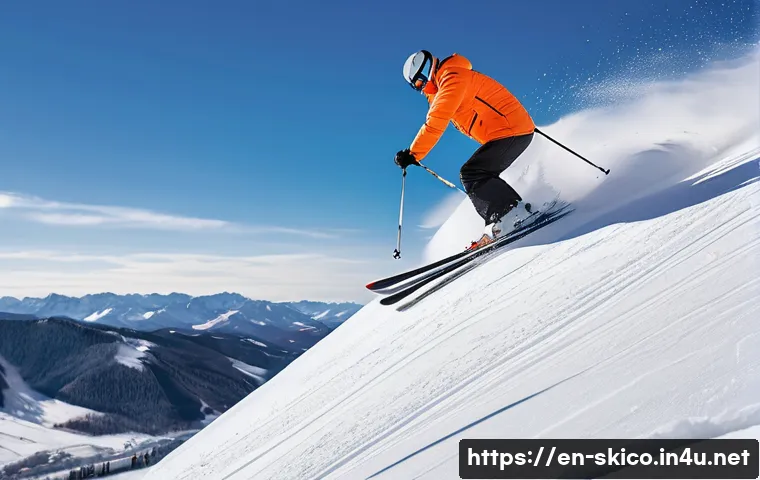
During my exam, I noticed that being able to smoothly switch between carving and controlled skidding when the terrain demanded it earned positive feedback.
It’s about proving that you’re not just a one-trick pony but a versatile skier who can handle unexpected challenges with ease.
Consistency and Flow
A hallmark of strong candidates is consistent skiing rhythm and flow throughout the exam. Jerky or uneven turns, abrupt stops, or hesitations stand out immediately and reduce your score.
I made it a goal to link my turns with fluidity, maintaining a steady tempo that looked both natural and controlled. This approach made my skiing look effortless, even though it required considerable practice.
Think of it as storytelling on skis—your movements should tell a smooth, continuous narrative that invites the viewer (the examiner) to follow along.
Demonstrating Effective Teaching Techniques
Because you’re being assessed as a future instructor, showing your ability to teach is crucial. During the exam, I tried to explain my skiing choices clearly and demonstrate drills with patience and precision.
Incorporating visual aids, like pointing out body positioning or ski angles, helps communicate concepts effectively. Examiners appreciate when you can break down complex movements into simple, actionable steps, as this reflects your potential to work well with students of varying abilities.
Teaching is not just about skill but about communication and empathy.
| Aspect | What Examiners Expect | Tips from Experience |
|---|---|---|
| Edge Control | Precise, fluid turns with minimal skidding | Practice carving drills, maintain relaxed joints |
| Body Position | Balanced stance with active upper body coordination | Keep athletic posture, align shoulders and skis |
| Communication | Clear verbal explanations and confident demonstration | Use simple language, match words with actions |
| Equipment | Well-maintained skis and properly fitted boots | Regular tuning, customize boots if possible |
| Mental Preparedness | Calm, focused, and adaptable mindset | Use visualization, manage anxiety with breathing |
| Teaching Ability | Ability to explain and demonstrate effectively | Break down techniques, engage with examiner feedback |
Fine-Tuning Your Turn Initiation and Exit
Starting Your Turns with Precision
Turn initiation is often the first moment examiners notice if you have control. I learned that initiating turns by gently rolling the ankles and knees rather than forcing abrupt movements sets the tone for the entire carve.
This subtle approach allows skis to engage the edge progressively, avoiding jerky transitions that can destabilize balance. Practicing slow, deliberate turn entries on easy slopes helped me internalize this technique.
I also found that keeping my gaze focused downhill rather than directly on my skis encourages smoother, more natural turn initiation.
Exiting Turns with Controlled Flow
Just as important as starting a turn is how you finish it. A clean turn exit involves gradually releasing edge pressure and preparing for the next turn without losing momentum.
Early in my training, I sometimes rushed the exit, causing abrupt speed changes that examiners flagged. I corrected this by thinking of turns as connected links in a chain, where each exit leads seamlessly into the next initiation.
This mindset helped me maintain speed control and rhythm, which examiners reward highly. Smooth exits also signal strong anticipation and overall skiing intelligence.
Using Pole Plants to Support Turn Timing
Pole plants aren’t just for show; they’re a vital timing tool that supports balance and rhythm. During my exam, I practiced synchronizing my pole plants with the start of each turn to reinforce timing and stability.
A well-timed pole plant helps anchor your upper body and can cue your legs to initiate the next carve. However, over-reliance or awkward pole usage can disrupt flow, so subtlety is key.
Practicing on varied terrain helped me find the right balance—pole plants that felt natural and supported my skiing without becoming distracting or forced.
Adapting to Snow and Weather Variations
Reading Different Snow Textures
Snow conditions can change dramatically, even within the same run, so being able to adjust your skiing accordingly is crucial. I learned to identify whether the snow was hard-packed, icy, slushy, or powdery, and then tweak my technique to match.
For example, on icy patches, I focused more on edge sharpness and weight distribution to prevent slipping. In powder, a more centered stance and lighter pressure allowed me to float smoothly.
Developing this “snow sense” helped me not only during the exam but also in everyday teaching scenarios.
Adjusting Technique for Wind and Visibility
Wind and visibility often add an extra layer of challenge during practical exams. Strong winds can affect balance, while poor visibility requires heightened awareness and anticipation.
I practiced skiing in different weather conditions to build resilience. For windy days, I kept my upper body compact to reduce drag and maintained lower speed for control.
When visibility was limited, I slowed down and relied more on feel than sight, trusting my edge control and balance. These adaptations showed examiners that I was prepared to handle real-world teaching environments.
Preparing Gear and Clothing for Comfort
Staying comfortable in varying weather impacts your mental and physical performance. I always layered appropriately—using moisture-wicking base layers, insulating mid-layers, and waterproof shells.
Gloves with good grip and goggles suited for low light or bright sun made a difference in visibility and hand control. Ensuring your boots stay warm yet breathable keeps your feet responsive and fatigue-free.
Small gear choices like these might seem minor but add up to a big advantage in maintaining focus and energy during the exam.
Enhancing Your Instructional Skills Through Practice
Simulating Teaching Scenarios
To prepare for the instructional part of the exam, I practiced explaining techniques to friends and fellow skiers. Role-playing common student mistakes and how to correct them helped me develop clear, concise teaching cues.
For instance, I’d demonstrate a common error like leaning back too far, then show drills to fix it. This hands-on approach boosted my confidence in delivering feedback and reinforced my understanding of biomechanics.
Examiners appreciate instructors who can anticipate student needs and communicate solutions effectively.
Incorporating Visual and Verbal Feedback
Good instructors use multiple feedback methods to ensure students grasp concepts. During practice, I learned to combine verbal explanations with physical demonstrations and visual aids like body positioning or ski angles.
For example, I’d say, “Shift your weight slightly forward,” while demonstrating the stance. This multimodal feedback helps students of all learning styles.
Practicing this skill also impressed examiners, as it reflected my ability to adapt teaching methods to diverse learners, a vital trait for any ski instructor.
Reflecting on Your Own Skiing to Improve Teaching
One of the most effective ways to become a better instructor is to analyze your own skiing critically. I filmed myself during practice runs and reviewed the footage to spot areas needing improvement.
This self-reflection helped me understand the technical details I needed to explain to students. It also highlighted my strengths, which I could confidently showcase during the exam.
Being your own toughest critic and continuously seeking improvement not only benefits your skiing but also models a growth mindset that inspires future students.
글을 마치며
Mastering edge control, body positioning, and clear communication are essential steps toward excelling in your ski instructor exam. Through consistent practice and mindful adjustments, you can build the confidence and technical skill examiners expect. Remember, adaptability and a calm mindset will carry you through any challenge on the slopes. Keep refining your technique and teaching approach to become not just a skilled skier but an inspiring instructor.
알아두면 쓸모 있는 정보
1. Regularly practicing carving drills enhances muscle memory and makes your turns smoother under pressure.
2. Maintaining a balanced, athletic stance with engaged core muscles improves stability and responsiveness on varied terrain.
3. Clear, simple verbal explanations paired with demonstrations increase your effectiveness as an instructor during exams.
4. Properly tuned skis and well-fitted boots significantly impact your control, comfort, and overall performance.
5. Mental preparation, including visualization and pacing, helps manage anxiety and maintain focus throughout the exam day.
중요 사항 정리
Successful ski instructor candidates demonstrate precise edge control through fluid, confident turns without skidding. Maintaining an athletic body position with coordinated upper and lower body movements ensures balance and adaptability on different slopes. Clear communication and the ability to convey techniques effectively are crucial, as examiners assess both your skiing skills and teaching potential. Well-maintained equipment tailored to conditions supports optimal performance, while mental resilience and strategic exam preparation contribute to consistent, composed execution. Embracing feedback and self-reflection rounds out the qualities that define a professional instructor ready for diverse teaching environments.
Frequently Asked Questions (FAQ) 📖
Q: What are the most important skills to focus on for the practical ski instructor exam?
A: From my experience, examiners prioritize clean, controlled turns and smooth transitions between different techniques. It’s not just about speed or flashy moves; demonstrating consistent balance, proper edging, and body positioning is crucial.
Also, showing confidence in varying terrain and snow conditions really sets you apart. Practicing a variety of turns—like parallel, carving, and short-radius—helps you adapt quickly during the test.
Don’t overlook your ability to communicate clearly while skiing, as instructors must guide others safely.
Q: How can I manage nerves and perform well under pressure during the exam?
A: I’ve found that mental preparation is just as important as physical training. Before the exam day, visualize yourself skiing confidently and handling tricky scenarios calmly.
On the day itself, take deep breaths and focus on the process, not the outcome. Breaking down the exam into smaller parts in your mind makes it less overwhelming.
Remember, examiners expect some nerves, so channel that energy into focus rather than letting it freeze you. Warming up thoroughly before starting also helps steady your body and mind.
Q: Are there any insider tips that can give me an edge on exam day?
A: Absolutely! One trick I learned is to engage with your examiner—be friendly, ask brief clarifying questions if needed, and show enthusiasm. This builds rapport and can ease tension.
Also, dress appropriately for the weather but keep your gear streamlined to avoid unnecessary bulk, which can affect movement. Finally, practice skiing with a weighted backpack or slightly different gear during training to simulate real exam conditions; this makes the actual exam feel easier by comparison.
Small details like these can boost your confidence and polish your overall presentation.