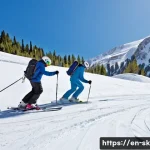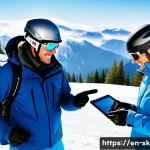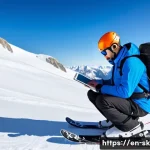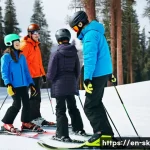
The crisp autumn air signals one thing for us ski instructors: it’s almost go-time! That unique blend of exhilaration and meticulous planning kicks in as we swap flip-flops for snow boots in our minds.
Over the years, I’ve personally seen how a well-prepped instructor isn’t just safer on the mountain, but also more effective, making every lesson a truly memorable experience for their clients.
This isn’t just about tuning skis anymore; it’s about leveraging smart fitness routines, understanding the nuances of ever-changing snow conditions, and even adopting the latest tech to elevate our teaching game.
We’re talking about everything from sustainable resort practices influencing our work to cutting-edge physical conditioning that keeps us strong through April.
If you’re eager to discover the strategies that can transform your upcoming winter into your most successful and enjoyable season yet, let’s explore precisely what it takes to hit the slopes fully prepared.
Sculpting Your Mountain Machine: The Ultimate Pre-Season Fitness Guide
Building a Rock-Solid Foundation: Beyond Leg Day
Believe me, after countless seasons on the snow, I can tell you that your body is your most crucial piece of equipment. It’s easy to fall into the trap of thinking a few extra leg presses in October will cut it, but trust me, it’s a whole lot more nuanced than that.
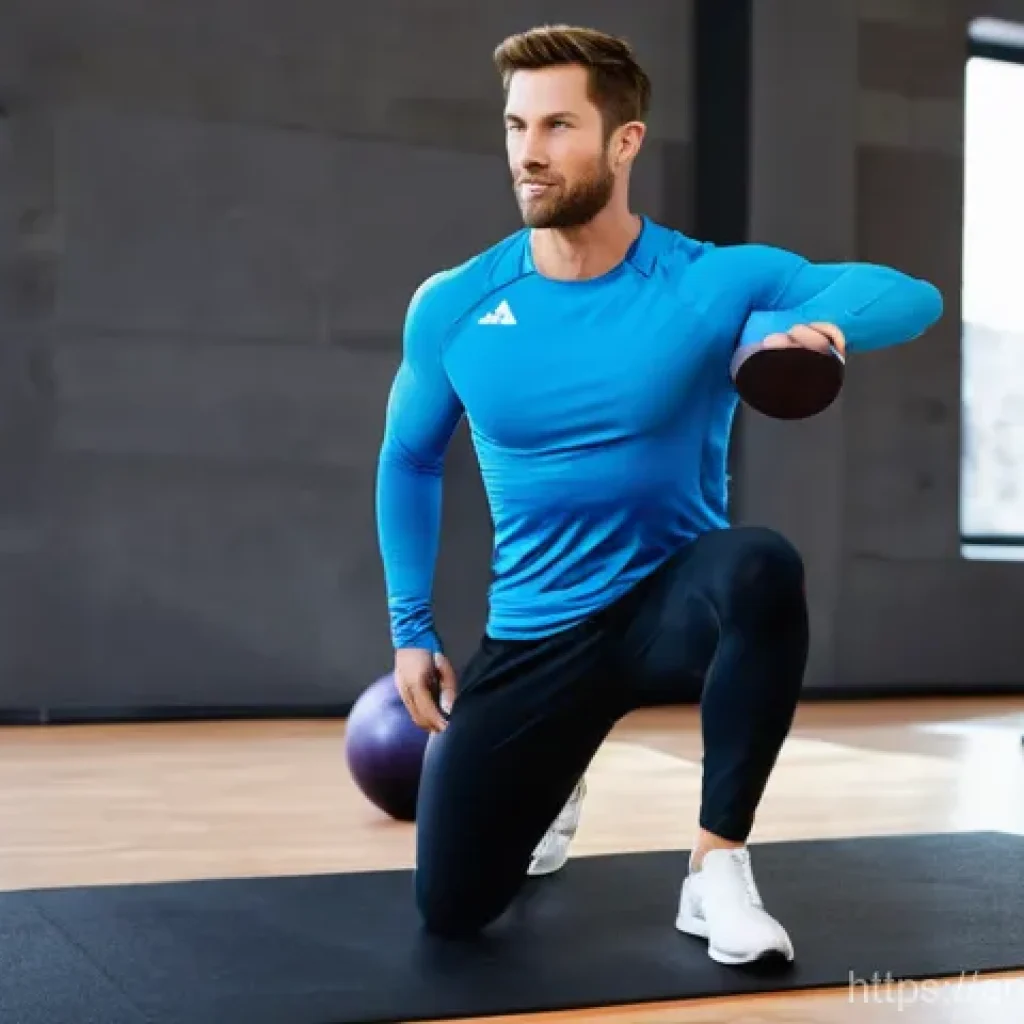
We’re talking about comprehensive, ski-specific conditioning that goes far beyond just strong quads. I’ve personally found that incorporating a blend of strength, endurance, flexibility, and balance training makes all the difference, not just in performance but in how you feel at the end of a long, back-to-back lesson week.
Think about the dynamic movements you make on skis: twisting, bending, absorbing impacts, constantly shifting your weight. Your core is the unsung hero here, connecting your upper and lower body and providing that critical stability.
Without a strong core, you’re not just less efficient; you’re practically inviting injury. This means planks, rotational exercises, and even yoga or Pilates become just as important as those squats.
It’s about building a robust, adaptable body that can handle anything the mountain throws at you, from icy mornings to heavy spring slush, all while maintaining that infectious energy for your clients.
Injury Prevention: The Unsung Hero of a Long Season
Nobody wants to be sidelined, especially when the snow is perfect and your booking sheet is full. And yet, I’ve seen it happen to even the most seasoned instructors – a tweaked knee, a sore back, a fatigued shoulder.
It often boils down to neglecting the smaller, supporting muscles or ignoring the early warning signs your body sends. For me, a crucial part of pre-season prep is focusing on prehab, not just rehab.
This involves targeted exercises to strengthen ligaments and tendons, improve joint mobility, and increase proprioception, which is essentially your body’s awareness in space.
Think about dynamic warm-ups before hitting the slopes and a consistent cool-down routine to aid recovery. Don’t skip those stretching sessions, even when you’re tired; your hamstrings and hip flexors will thank you.
Dehydration and poor nutrition can also sneak up on you, contributing to fatigue and increasing injury risk. I remember one season I got so caught up in the early morning rush, I’d often forget to properly hydrate, and by mid-morning, I felt sluggish and less sharp.
Lesson learned: fuel your body like a high-performance engine, because that’s exactly what it is. A well-nourished, flexible, and strong body isn’t just about avoiding injury; it’s about maintaining peak performance and an upbeat attitude all winter long.
| Fitness Aspect | Why It Matters for Instructors | Key Exercises / Activities |
|---|---|---|
| Strength Training | Supports dynamic movements, prevents fatigue, protects joints. Crucial for power and control. | Squats, Lunges, Deadlifts, Box Jumps, Cable Rows. |
| Cardiovascular Endurance | Sustains energy for long days, multiple lessons, and varying terrain. Improves recovery time. | Running, Cycling, Hiking, Swimming, High-Intensity Interval Training (HIIT). |
| Flexibility & Mobility | Increases range of motion, reduces muscle stiffness, aids injury prevention, improves body awareness. | Yoga, Pilates, Dynamic Stretching, Foam Rolling, Mobility Drills. |
| Balance & Proprioception | Enhances stability on unpredictable terrain, sharpens reflexes, improves fine motor control on skis. | Single-Leg Stands, Bosu Ball Exercises, Slacklining, Plyometrics. |
| Core Stability | Connects upper and lower body, crucial for powerful turns, prevents back pain, maintains posture. | Planks, Russian Twists, Bird-Dog, Pallof Press, Leg Raises. |
Decoding the Snow’s Secrets: Mastering Winter’s Shifting Canvas
Reading the Terrain: A Skier’s Sixth Sense
You know, it’s funny how many people think snow is just… snow. But for us, it’s a living, breathing entity that changes by the hour, sometimes even by the minute.
Becoming a truly exceptional instructor means developing a sixth sense for what the mountain is telling you. I’m talking about knowing how to “read” the terrain – understanding how wind affects snow distribution, where to find pockets of fresh powder after a storm, or spotting potential ice patches hidden in the shadows.
It’s an art form, really, born from countless hours of observation. I remember one crisp morning, the resort reported 6 inches of fresh snow, but by carefully observing wind patterns and aspect, I knew exactly which runs would have twice that, giving my client an unforgettable powder experience they wouldn’t have found anywhere else.
This isn’t just about finding the best snow; it’s about safety. Knowing how a sun-exposed slope might quickly turn to slush, or where cornices could be forming, is vital.
It’s about being proactive, not reactive, and that kind of expertise gives your clients immense confidence in your abilities. It’s a skill you hone every day, with every run, by simply paying attention to the subtle cues of the environment around you.
Weather Wisdom: Staying Ahead of the Storm
Weather forecasting isn’t just for meteorologists; it’s a critical tool in our arsenal. Beyond checking the local forecast app on your phone, a deeper understanding of mountain weather patterns can genuinely elevate your game.
I’ve learned to pay attention to atmospheric pressure changes, cloud formations, and even the direction of the wind to anticipate shifts in conditions.
This isn’t just about planning your wardrobe; it’s about optimizing your lessons. If I see a strong frontal system approaching, I might adjust my lesson plan to focus on sheltered runs before the wind picks up, or head for groomed trails if heavy snow is expected to obscure visibility.
There was one day, years ago, when an unexpected whiteout rolled in, and because I’d been tracking the weather diligently, I was able to guide my group safely back to the base long before conditions became truly challenging.
That experience really hammered home the importance of being prepared. It’s not about being a doomsayer, but about being a savvy mountain professional who can make informed decisions to ensure both safety and enjoyment.
Plus, being able to explain *why* the snow feels different today, or *why* we’re choosing a particular run based on current conditions, adds an incredible layer of expertise and value for your students.
Beyond the Bindings: Leveraging Tech for Smarter Lessons
Gadgets That Elevate Your Teaching Game
Alright, let’s talk tech! In a world that’s constantly evolving, sticking to “the way we’ve always done it” just doesn’t cut it anymore, especially when it comes to teaching skiing.
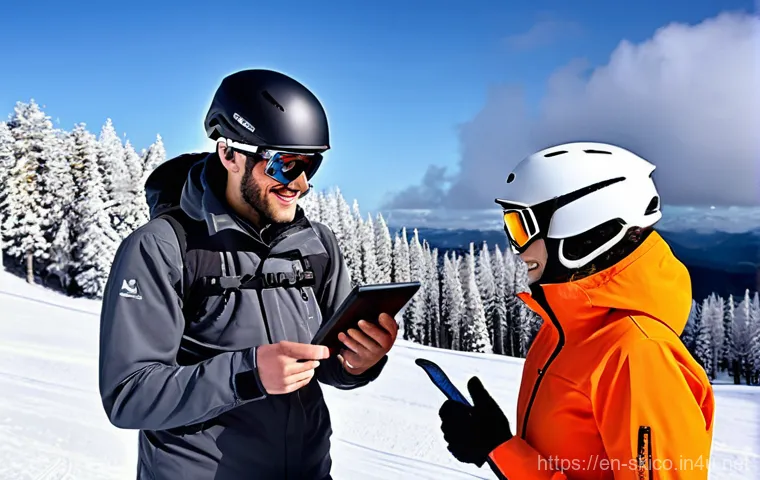
I’ve been amazed at how some relatively simple gadgets can dramatically improve the learning experience. Think about miniature action cameras – not just for capturing epic turns, but for immediate video feedback.
Imagine skiing a few turns with a student, then pulling out your phone right there on the lift to review their posture or turn shape. The “aha!” moments are priceless.
I’ve found that seeing themselves in action helps students internalize corrections far faster than just verbal cues alone. Then there are GPS trackers for kids’ lessons – giving parents peace of mind and allowing us to focus on teaching rather than constantly counting heads.
And let’s not forget the power of two-way radios, especially when teaching groups or covering vast areas of the resort. They’re not just for emergencies; they help streamline communication, coordinate breaks, and ensure everyone feels connected and safe.
Embracing these tools isn’t about replacing human connection; it’s about enhancing our ability to teach effectively and create a more engaging, personalized experience for every client.
Connecting Off-Piste: Digital Tools for Client Engagement
The lesson doesn’t end when you click out of your bindings, right? In today’s hyper-connected world, extending that experience beyond the slopes can be a massive game-changer for building lasting relationships and securing repeat bookings.
I’ve started using simple digital tools to keep the connection alive. This might mean sending a personalized email with a few key takeaways from the lesson, or even a short video compilation of their best turns from the day, offering specific tips for their next time out.
Imagine receiving a customized recap video from your instructor – that’s pretty cool, and it shows you genuinely care. Social media also plays a huge role.
A quick, personalized message acknowledging their progress or inviting them to share their own photos can go a long way. I’ve even created private online groups for former students where I share conditioning tips, snow reports, or answer questions throughout the season.
It fosters a sense of community and keeps them thinking about skiing (and booking with me!) even when they’re off the mountain. This kind of thoughtful, tech-enhanced engagement isn’t just about being current; it’s about demonstrating value and building a loyal client base that trusts your expertise season after season.
The Art of Connection: Building Rapport and Retaining Clients
More Than Just Technique: Teaching the Whole Person
You know, when you think about what truly makes a great ski instructor, it’s not just about how perfectly you can demonstrate a carved turn. It’s about how you connect with the person standing in front of you.
I’ve learned that teaching isn’t just about the mechanics of skiing; it’s about understanding their fears, their goals, and even their personality. Some people need a gentle, encouraging approach, while others thrive on clear, direct feedback.
Building that rapport right from the first handshake is absolutely crucial. I make a point of asking about their previous experiences, what they hope to achieve, and even just a little about their life off the mountain.
It breaks the ice, shows you see them as an individual, and helps tailor the lesson to their specific needs. I remember a student who was incredibly nervous after a previous bad fall.
Instead of immediately hitting the steepest run, we spent extra time on fundamentals, slowly building her confidence with positive reinforcement and small, achievable goals.
By the end of the day, she wasn’t just skiing better; she was smiling, laughing, and truly enjoying herself again. That’s the real magic, isn’t it? It’s about building trust and creating an environment where they feel safe to learn and push their boundaries.
Turning Clients into Raving Fans: Follow-Ups and Feedback
The lesson might be over, but the experience you create should linger. This is where the subtle art of follow-up comes into play. It doesn’t need to be elaborate, but a thoughtful gesture can turn a one-time client into a loyal fan.
I’ve made it a habit to send a quick, personalized email or text after a lesson, just checking in, perhaps offering one final tip, or reminding them of something they did exceptionally well.
It shows you cared beyond the hourly rate. And honestly, it often leads to re-bookings. I also actively seek feedback, not just for my own improvement, but to show clients their opinions matter.
“What did you enjoy most today?” or “Is there anything we could have focused on more?” These questions open a dialogue and make them feel invested. One time, a client mentioned how much they appreciated a specific analogy I used to explain parallel turns, and it became a staple in my teaching toolkit.
By truly listening and engaging, you’re not just providing a service; you’re building a relationship. And those relationships are the bedrock of a successful career, generating word-of-mouth referrals and a steady stream of satisfied students who wouldn’t dream of booking with anyone else.
Sharpening Your Edge: Continuous Learning and Certification Pathways
Embracing the Growth Mindset: Why Stagnation is Your Enemy
Let’s be real: the world of ski instruction is constantly evolving. New techniques emerge, equipment changes, and our understanding of learning science improves.
If you’re not actively seeking to grow and refine your skills, you’re not just standing still; you’re actually falling behind. I’ve seen instructors who, after years of teaching, get stuck in a rut, relying on the same old drills and tired explanations.
And believe me, students pick up on that lack of fresh energy. For me, embracing a “growth mindset” is absolutely critical. This means actively seeking out clinics, workshops, and even just observing other instructors.
There’s always something new to learn, a different perspective to consider. I remember attending a specialized clinic on teaching adaptive skiing, and it completely transformed my understanding of movement patterns and effective communication.
It didn’t just make me a better adaptive instructor; it made me a better instructor, period. Challenge yourself to step outside your comfort zone, try new drills, or even take a lesson from someone else.
It reignits your passion, keeps your teaching fresh, and ensures you’re always bringing your A-game to your students.
Advanced Certifications: Opening Doors to New Opportunities
While experience is priceless, formal certifications are your golden tickets to advancing your career and unlocking new opportunities. Beyond the initial certifications, pursuing higher levels isn’t just about boasting a new badge; it’s about deepening your expertise, challenging your own perceptions, and pushing your limits as an instructor.
I personally found that working towards my Level 3 certification was one of the most demanding yet rewarding experiences of my career. It forced me to analyze my own skiing with a critical eye, articulate complex concepts with clarity, and develop a more sophisticated understanding of teaching methodology.
These advanced certs often open doors to specialized roles, like coaching race teams, training new instructors, or even working in exotic international resorts.
They signal to employers and clients alike that you’re committed to excellence and possess a superior level of knowledge and skill. Plus, the network you build through these certification processes – learning alongside other highly motivated professionals – is invaluable.
It’s an investment in yourself that pays dividends for years to come, not just in terms of earning potential, but in the sheer satisfaction of mastering your craft.
Smart Money Moves: Navigating the Financial Slopes of Instruction
Budgeting for the Off-Season: The Instructor’s Financial Playbook
Let’s be honest, the life of a ski instructor, as thrilling as it is, often comes with a bit of a financial rollercoaster. Those glorious winter months can bring in decent income, but what about the off-season?
That’s where smart financial planning truly becomes your best friend. I’ve learned the hard way that a little discipline during peak earning times can make the difference between a relaxed summer and one filled with financial anxiety.
My personal playbook involves creating a detailed budget and sticking to it. I set aside a portion of every paycheck specifically for my off-season expenses, treating it almost like a separate savings account.
This isn’t just about covering basic living costs; it’s also about setting aside funds for professional development, gear upgrades, and even a well-deserved vacation.
Think about diversifying your income streams too; maybe picking up some personal training gigs, writing for ski blogs, or even teaching other outdoor sports during the warmer months.
It’s about creating a robust financial foundation that allows you to enjoy the passion of instructing without the constant worry of where the next dollar is coming from once the snow melts.
Maximizing Earnings: Smart Strategies On and Off the Mountain
Beyond just showing up for lessons, there are definite strategies you can employ to maximize your earning potential as a ski instructor. First, think about building a strong client base that specifically requests you.
Repeat clients are gold, pure gold! They often book longer lessons, recommend you to their friends, and make your schedule much more predictable. Providing exceptional service, going that extra mile, and maintaining consistent communication are key here.
I’ve found that those personalized follow-up emails, like the ones we talked about earlier, often lead directly to repeat bookings. Consider also specializing in a niche – maybe freestyle, adaptive skiing, or powder coaching – which can often command higher rates.
Off the mountain, think about selling your expertise. Could you offer online fitness coaching for aspiring skiers? Perhaps organize small group trips or lead pre-season conditioning clinics?
Don’t underestimate the value of your experience and knowledge. And crucially, don’t be afraid to professionally market yourself. A well-maintained online presence, perhaps a personal website or a professional social media profile, can showcase your skills and attract premium clients.
It’s about leveraging every aspect of your passion and professionalism to create a fulfilling and financially stable career.
Your Toolkit for Success: Essential Gear and Maintenance Hacks
Choosing Your Weapons: Skis, Boots, and Everything In Between
Alright, gear talk! For us instructors, our equipment isn’t just about looking good; it’s our essential toolkit, and getting it right can make or break your season.
I’ve personally experimented with countless setups over the years, and what I’ve learned is that comfort, versatility, and durability are paramount. Your boots, especially, are the foundation.
Investing in a professional boot fitting is non-negotiable, in my opinion. A perfectly fitted boot will not only enhance your performance and feel on the snow but will also save you from aches and pains that can seriously shorten your days.
Then there are your skis – ideally, you want a versatile all-mountain ski that can handle various conditions, from firm groomers to a few inches of fresh snow.
Having a backup pair is also a lifesaver, as you never know when an edge might get dinged or a binding needs a quick fix. And let’s not forget the smaller, often overlooked essentials: high-quality goggles for all light conditions, a helmet that fits impeccably, and layering systems that adapt to drastic temperature swings.
Trust me, being comfortable and confident in your gear allows you to focus 100% on your clients, not on cold toes or fogged lenses.
Prolonging Your Gear’s Life: Simple Maintenance Tips
Your gear works hard for you, so it deserves some love and attention. Proper maintenance isn’t just about extending the life of your expensive equipment; it’s about ensuring safety and optimal performance.
I’ve seen instructors neglect their skis for weeks, only to find dull edges and dry bases making their job harder and less enjoyable. My personal hack?
A quick edge tune and hot wax every few days, especially if I’ve been on icy terrain or in particularly abrasive snow. It makes a world of difference in how your skis grip and glide.
Boots need care too! Always take the liners out to dry overnight to prevent mold and unpleasant odors, and store them unbuckled to maintain their shape.
For outerwear, regular washing with technical fabric-specific detergents maintains their waterproofing and breathability, keeping you warm and dry. And please, don’t just toss your gear into a corner at the end of the season.
Clean everything thoroughly, apply a storage wax to your skis, and store them in a cool, dry place. A little effort goes a long way, ensuring your trusty equipment is always ready to hit the slopes, performing at its best, season after season.
Wrapping Up Our Mountain Journey
Well, what an incredible journey we’ve shared today, diving deep into what it truly takes to thrive as a ski instructor! From sculpting our bodies into finely tuned mountain machines to mastering the subtle language of the snow, embracing cutting-edge tech, forging genuine connections, and strategically navigating our careers, it’s clear this isn’t just a job; it’s a lifestyle, a calling. I’ve poured my heart and my decades of experience into these insights, hoping to arm you with the confidence and know-how to not just meet, but exceed, every challenge and joy the slopes present. Remember, the mountain always has new lessons to teach, and so do the amazing people we get to share it with. Keep learning, keep growing, and most importantly, keep that passion burning brightly!
Useful Information to Keep You Ahead of the Curve
1. Global Instructor Certifications You Should Know: Did you know that associations like PSIA-AASI in the U.S. and CSIA in Canada set the industry standards for snowsports professionals? Beyond North America, bodies like BASI in the UK and the International Ski Instructors Association (ISIA) are crucial for international recognition, ensuring your expertise is valued worldwide. Pursuing these certifications not only validates your skills but also opens doors to a global community and diverse teaching opportunities. It’s a solid investment in your professional journey.
2. Must-Have Apps for Every Instructor’s Phone: In today’s digital age, your smartphone can be an incredibly powerful tool on the mountain. For real-time snow conditions and forecasts, apps like OnTheSnow are indispensable, helping you plan your lessons and advise clients. For tracking your runs and analyzing performance, Ski Tracks or Slopes are fantastic, offering data on speed, distance, and vertical descent. And if you’re serious about technique improvement, an app like Carv can provide real-time audio coaching, giving you insights usually only found with a private instructor. Plus, apps like White Risk are essential for avalanche safety if you venture off-piste.
3. Smart Off-Season Training Resources: Your pre-season fitness shouldn’t be a frantic rush; it’s a year-round commitment. Beyond the gym, consider incorporating diverse activities into your off-season routine. Cycling, trail running, yoga, and even rock climbing can build strength, endurance, and proprioception in ways that directly translate to your skiing. Look for online fitness programs specifically designed for skiers, or local sports clubs that offer high-intensity interval training (HIIT) to keep your cardiovascular system primed. Remember, variety is the spice of life, and it’s also the key to a resilient, injury-resistant body!
4. Networking Beyond the Chairlift: Building your network as an instructor goes far beyond just meeting colleagues at the resort. Explore online forums and social media groups dedicated to snowsports professionals to share tips, discuss challenges, and discover new opportunities. Attending industry events, workshops, and even local meetups can connect you with mentors, potential employers, and clients. The American Mountain Guides Association (AMGA) for instance, offers professional networking and events for guides and instructors. You never know where your next great connection might come from, so make an effort to engage, both virtually and in person.
5. Financial Hacks for Seasonal Income Stability: Let’s face it, a seasonal income can be tricky to manage. My top advice? Master budgeting! Create a detailed spending plan, setting aside funds during peak earning periods to cover your off-season expenses. Consider setting up multiple savings accounts for different goals – one for emergencies, one for professional development, and one for future investments. Don’t shy away from exploring supplementary income streams during the warmer months, like personal training, online content creation, or even seasonal work in other industries. A solid financial foundation gives you the freedom to pursue your passion without constant worry.
Key Takeaways for an Unstoppable Instructor Career
To truly excel and build a thriving career as a ski instructor, it boils down to a few core principles. First, prioritize holistic personal development – that means not just refining your technical ski skills, but also committing to year-round physical conditioning, continuous learning, and an unwavering growth mindset. Second, never underestimate the power of human connection; fostering genuine rapport with your students and offering a personalized, empathetic teaching experience will set you apart and build an unshakeable base of loyal clientele. Finally, embrace strategic business acumen by leveraging technology, actively seeking advanced certifications, and meticulously managing your finances. By combining your passion for the slopes with professional excellence and smart planning, you’re not just teaching skiing; you’re crafting an extraordinary life and career that inspires everyone around you.
Frequently Asked Questions (FAQ) 📖
Q: Beyond just getting fit, what’s your personal secret to staying strong and resilient on the mountain all season long, especially when you’re teaching back-to-back lessons?
A: Oh, this is such a great question, and honestly, it’s one I get asked a lot when the snow starts to fall! For me, it’s not just about hitting the gym a few times a week.
I’ve personally found that the real magic happens in combining targeted strength training with a serious focus on mobility and recovery. Think about it: we’re constantly bending, twisting, and demonstrating, right?
My go-to is a blend of dynamic stretches before I even leave the lodge and some deep tissue work with a foam roller or lacrosse ball every single night.
Trust me, your quads, glutes, and even your core will thank you. I also swear by a high-quality protein shake right after my shifts; it truly helps my muscles bounce back faster.
And here’s a quick hack I picked up from a veteran instructor: if you’re feeling a bit drained mid-day, even just 10 minutes of quiet stretching and some deep breathing can reset you.
It’s about listening to your body, not just pushing through it. This proactive approach has kept me going strong well into April when others are feeling totally burnt out.
It just feels better, you know?
Q: With new gear and teaching methods popping up constantly, what’s one piece of technology or a recent pedagogical shift that you’ve integrated into your lessons that’s truly made a difference for your clients?
A: This is where things get really exciting for me! While I adore the classic teaching techniques, I’m always looking for that edge. One game-changer I’ve recently embraced is using a small, helmet-mounted action camera.
Now, hear me out – it’s not just for cool edits later! I’ll record a short segment of my client skiing, especially when we’re working on a specific skill, and then we’ll review it together on my phone during our chairlift ride up.
The instant visual feedback is incredible. I’ve personally seen lightbulbs go off in students’ eyes when they can see what I’m describing. It helps them connect what they feel with what they look like on the snow.
It’s far more impactful than just me telling them “lean forward more.” Beyond tech, I’ve shifted towards a more “discovery-based” learning approach. Instead of just demonstrating and expecting mimicry, I now often pose problems or challenges for my clients to solve on their own, guiding them with questions rather than direct commands.
For instance, instead of “turn here,” I might say, “How can we get our skis to face the other way without skidding?” It empowers them, makes the lesson feel like a fun puzzle, and their breakthroughs are so much more rewarding!
Q: We all strive to make lessons memorable, but what’s your most trusted, go-to strategy for really connecting with clients and ensuring they have an experience they’ll rave about, even beyond just improving their skiing?
A: Ah, this is the heart of what we do, isn’t it? Making those connections is what truly elevates a lesson from good to absolutely unforgettable. My number one strategy, and this might sound simple, is to really listen and observe from the moment we meet.
I don’t just ask “What do you want to work on today?” I try to get a sense of their personality, their goals beyond just skiing (are they here for adventure, relaxation, bragging rights?), and even their comfort level.
For instance, if I notice they’re a bit quiet or seem nervous, I’ll start with some fun, low-pressure drills and tell a lighthearted story about my own learning experiences.
I’ve found that sharing a little bit of myself, showing that I’m a real person who’s also made mistakes, builds trust incredibly fast. And honestly, sometimes the most memorable part of a lesson isn’t a perfect turn, but a shared laugh on the chairlift or a moment where they felt truly understood.
I always try to end on a high note, too, by asking what their favorite part of the lesson was. It helps them internalize their successes and leaves them feeling empowered and excited for their next snow day.
It’s about crafting an experience, not just teaching a skill.