Building a solid reputation as a ski instructor goes beyond just mastering the slopes—it’s about connecting with students, showcasing expertise, and consistently delivering memorable experiences.
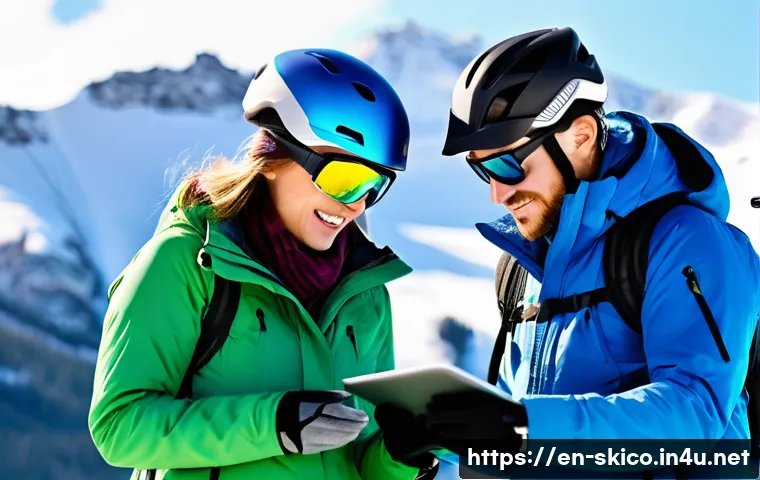
In a competitive industry, standing out means blending technical skill with genuine passion and effective communication. Whether you’re working at a bustling resort or offering private lessons, your reputation can open doors to exciting opportunities.
I’ve found that small touches, like personalized feedback and a positive attitude, make a huge difference in how students perceive you. Let’s dive deeper and explore exactly how you can elevate your status as a top-tier ski instructor!
Building Authentic Connections with Your Students
Understanding Individual Learning Styles
When you first meet a student, it’s crucial to quickly gauge how they learn best. Some might respond well to detailed verbal instructions, while others need to see a move demonstrated repeatedly.
I’ve noticed that tailoring my teaching approach to each student’s style creates a more comfortable and effective learning environment. For instance, one beginner I worked with was very visual, so I spent extra time showing the movements on flat terrain before hitting steeper slopes.
This personalized attention not only accelerates progress but also builds trust, making the student feel valued and understood.
Creating a Supportive and Positive Atmosphere
Maintaining a friendly and upbeat attitude on the mountain can completely change a student’s experience. I always try to celebrate small victories, whether it’s nailing a turn or simply feeling more confident on skis.
This positive reinforcement encourages students to push their limits without fear. It’s not just about skiing skills; it’s about fostering resilience and enthusiasm.
A student once told me that my encouragement made them look forward to lessons rather than dread them, which honestly is one of the most rewarding parts of the job.
Staying Approachable and Open to Feedback
One thing I’ve learned over time is that no matter how experienced you are, being open to feedback can dramatically improve your teaching. I make it a point to ask students what they liked or felt unsure about after each session.
This habit not only helps me adjust my methods but also shows students that their opinions matter. An approachable demeanor breaks down barriers and often leads to more honest communication, which is key to improving both the instructor-student relationship and the overall lesson quality.
Mastering Technical Skills and Continuous Learning
Refining Your Own Skiing Techniques
Even as an instructor, I never stop working on my personal skiing skills. It’s easy to get comfortable with your current level, but skiing is a sport that constantly evolves with new techniques and equipment.
Attending advanced clinics or simply spending extra time practicing different terrains keeps me sharp and confident. This hands-on experience translates directly into better demonstrations and more credible advice for my students.
Keeping Up with Industry Trends and Safety Standards
The ski industry changes rapidly, from new teaching methodologies to updated safety protocols. I regularly read industry journals and attend workshops to stay ahead.
Knowing the latest in avalanche safety or adaptive skiing techniques not only protects my students but also boosts my professional credibility. This commitment to staying informed reassures parents and resort managers that I prioritize safety and quality.
Leveraging Technology to Enhance Lessons
In recent years, I’ve started using video analysis during lessons, and the impact has been impressive. Recording a student’s run and reviewing it together helps them visually understand what adjustments are needed.
This tool has accelerated progress and made sessions more interactive. Plus, it gives students a tangible way to track their improvement over time, which keeps motivation high.
Effective Communication Beyond the Slopes
Clear and Concise Instructions
One challenge I’ve encountered is avoiding overcomplicated explanations. When you’re passionate about skiing, it’s tempting to dive into technical jargon, but that often confuses beginners.
I’ve found that breaking down instructions into simple, actionable steps works best. For example, instead of saying “engage your edges to control speed,” I might say, “lean slightly forward and gently press your skis into the snow.” This clarity helps students feel less overwhelmed and more confident.
Using Storytelling to Inspire and Motivate
Sharing personal stories or anecdotes can create a more engaging learning experience. I often recount moments when I struggled with a tricky slope or how I overcame fear on challenging terrain.
These stories humanize me as an instructor and remind students that everyone starts somewhere. It also fosters a sense of camaraderie, making lessons feel less like formal training and more like a shared adventure.
Maintaining Professionalism in All Interactions
Whether it’s a quick chat on the lift or an email follow-up after a lesson, professionalism matters. Responding promptly and politely to inquiries, showing punctuality, and dressing appropriately all contribute to a strong reputation.
I’ve had clients mention that my reliability and respectful communication made them choose me over other instructors. These small details build a foundation of trust that lasts long after the lesson ends.
Harnessing Social Proof and Online Presence
Encouraging Reviews and Testimonials
Positive reviews are like gold in the ski instruction world. After every lesson, I gently ask students to share their experiences on popular platforms like Google or TripAdvisor.
Sometimes I even guide them through the process if they’re unfamiliar. These testimonials serve as social proof, helping potential clients feel more confident in choosing me.
Over time, a strong portfolio of reviews has been a key driver of new bookings.
Creating Engaging Content on Social Media
Posting videos of lessons, tips for skiing techniques, or even behind-the-scenes glimpses of life at the resort has boosted my visibility. Authenticity is crucial here—I avoid overly polished content and instead focus on real moments that resonate with fellow ski enthusiasts.
I’ve noticed that when I share my passion openly, it attracts a community that values not just my skills but my personality.
Building a Professional Website
Having a well-organized website that clearly outlines lesson offerings, rates, and contact information makes a huge difference. I include a blog where I share insights and advice, which helps with SEO and positions me as an expert.
Integrating online booking options also streamlines the process for clients. This digital presence serves as a hub where potential students can learn about me and easily take the next step.
Delivering Memorable Experiences That Keep Students Coming Back
Personalizing Each Lesson
No two students are the same, so I avoid cookie-cutter lesson plans. Before starting, I ask about their goals, fears, and previous experiences. I then tailor the session to meet those specific needs, which makes learning more relevant and enjoyable.
One time, a student mentioned wanting to ski confidently with their family by the end of the week, so I focused on techniques that would enable them to keep up on easy slopes, rather than pushing advanced tricks.
Incorporating Fun and Variety
Injecting fun into lessons is essential to keep enthusiasm alive. I mix drills with games or challenges that feel less like work and more like play. This approach helps students relax and enjoy the process, which ironically leads to faster improvement.
For example, turning a balance exercise into a friendly competition lightened the mood and created memorable moments on the mountain.
Following Up After Lessons
I’ve found that sending a quick message after a lesson to recap key points or suggest practice tips makes students feel supported even when they’re off the slopes.
This simple gesture shows that I genuinely care about their progress. Some clients have told me these follow-ups motivated them to keep practicing and even refer friends, which naturally grows my client base.
Balancing Professionalism with Genuine Passion
Showing Enthusiasm Without Overwhelming
While being passionate is vital, it’s important not to come across as pushy or intense. I try to match my energy to the student’s mood and comfort level.
Sometimes, a calm and steady approach works better than high-energy motivation, especially for nervous beginners. Finding this balance helps build rapport and makes lessons feel personalized rather than scripted.
Being Honest About Limitations
I believe in transparency, whether it’s about weather conditions, skill progression, or equipment choices. If a student isn’t quite ready for a certain technique, I explain why and suggest alternatives.
This honesty builds trust and sets realistic expectations, preventing frustration. Clients appreciate knowing that I have their best interests at heart, which strengthens long-term relationships.
Continuously Reflecting on Your Teaching Style
Every season, I take time to reflect on what worked and what didn’t. Sometimes I ask trusted colleagues for feedback or even record myself teaching. This self-awareness keeps me humble and motivated to improve.
It’s not just about skiing well but about being the best instructor I can be, which ultimately enhances my reputation and career longevity.
| Aspect | Action | Impact on Reputation |
|---|---|---|
| Understanding Learning Styles | Personalize instruction based on student needs | Builds trust and accelerates progress |
| Positive Attitude | Celebrate small wins and stay encouraging | Enhances student motivation and satisfaction |
| Continuous Skill Development | Attend clinics, practice regularly | Maintains credibility and teaching quality |
| Effective Communication | Use simple language and storytelling | Improves student comprehension and engagement |
| Online Presence | Gather reviews, post authentic content | Attracts new clients and builds trust |
| Personalized Lessons | Adapt to goals and fears | Creates memorable and relevant experiences |
| Follow-Up | Send recap messages and tips | Shows care and encourages repeat business |
글을 마치며
Building authentic connections with students is the foundation of successful ski instruction. When combined with continuous skill development and clear communication, it creates a rewarding experience for both instructor and learner. By embracing personalization and professionalism, you can foster trust and inspire confidence on and off the slopes. Remember, every interaction is an opportunity to make a lasting impact.
알아두면 쓸모 있는 정보
1. Understanding each student’s unique learning style helps tailor lessons for faster improvement and deeper engagement.
2. Celebrating small achievements boosts motivation and encourages students to keep pushing their limits.
3. Staying updated with the latest industry trends and safety protocols ensures high-quality and secure instruction.
4. Using video analysis during lessons provides visual feedback that accelerates skill development and keeps students motivated.
5. Following up after lessons with personalized tips shows genuine care and promotes long-term relationships.
핵심 포인트 정리
Personalizing your teaching approach by recognizing individual learning preferences builds trust and enhances progress. Maintaining a positive, supportive atmosphere motivates students and makes lessons enjoyable. Continuous improvement of your own skills and staying informed about safety protocols establish credibility and professionalism. Clear, simple communication combined with storytelling deepens understanding and engagement. Lastly, cultivating a strong online presence with authentic content and encouraging reviews attracts new clients and strengthens your reputation as a trusted instructor.
Frequently Asked Questions (FAQ) 📖
Q: How can I build trust and rapport quickly with my ski students?
A: From my experience, the key is to start with a warm, approachable attitude and actively listen to their goals and concerns. When you show genuine interest in their progress and tailor your coaching to their individual needs, students feel valued and motivated.
Simple gestures like remembering their names, offering personalized tips, and celebrating small wins create a positive environment that fosters trust right away.
Q: What are some effective ways to showcase my expertise without coming across as boastful?
A: The best approach is to demonstrate your knowledge through action rather than words. I’ve noticed that confidently breaking down techniques into easy-to-follow steps and explaining the “why” behind each movement naturally highlights your skill.
Sharing relatable stories from your own skiing journey or lessons learned adds authenticity and keeps the focus on helping students improve, rather than just on your credentials.
Q: How important is maintaining a positive attitude, and how does it impact my reputation as a ski instructor?
A: Maintaining a positive attitude is absolutely crucial. When you stay upbeat and encouraging—even when students struggle—it builds resilience and enthusiasm.
I’ve seen firsthand how a friendly, patient demeanor turns challenging lessons into enjoyable experiences, which students remember long after they leave the slopes.
This kind of emotional connection not only boosts your reputation but also encourages word-of-mouth referrals and repeat clients.