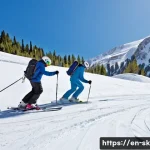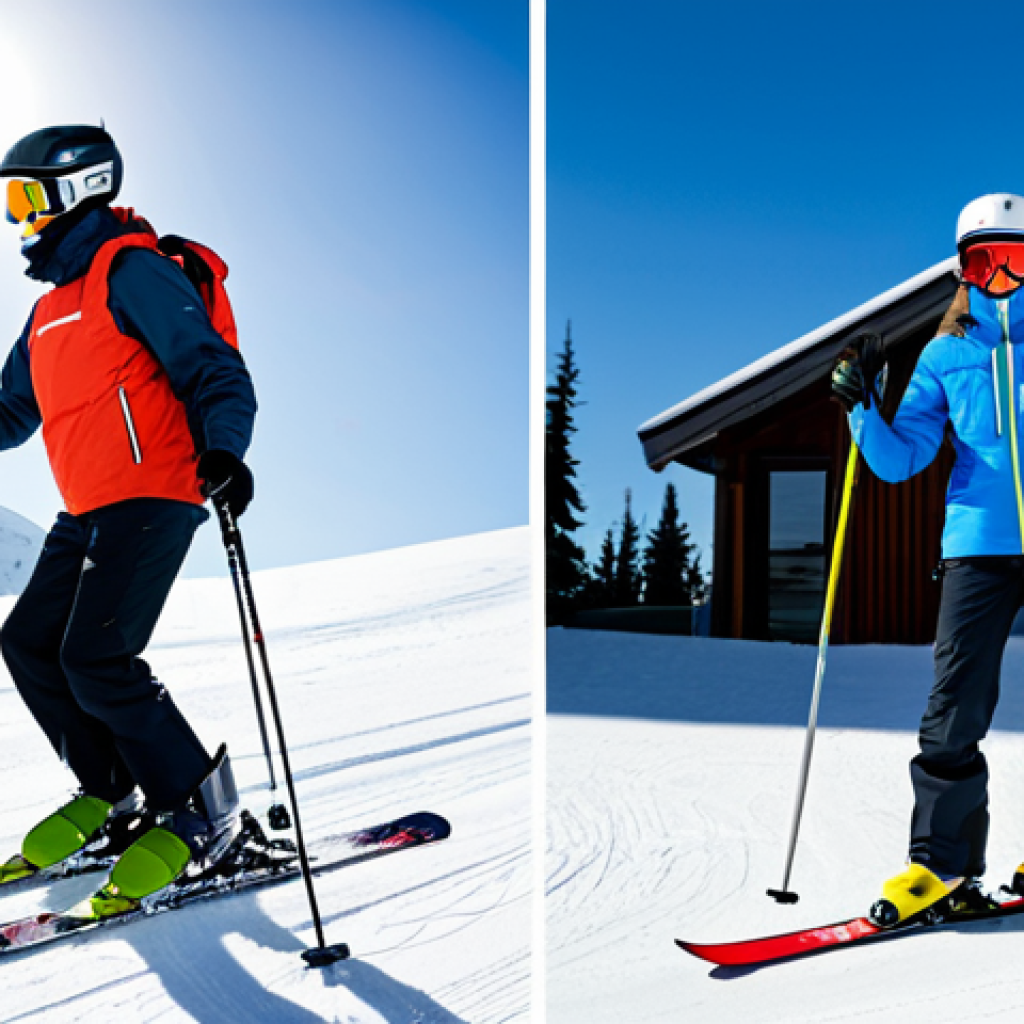
So, you’re thinking about developing lecture materials for ski instructors? That’s a great idea! With the growing interest in winter sports, especially after seeing some incredible runs at the recent Winter Games, there’s a real demand for well-trained instructors.
I’ve noticed more and more people hitting the slopes, wanting to learn proper techniques and stay safe out there. As a seasoned ski instructor myself, I know firsthand the importance of having solid, up-to-date resources to guide students effectively.
This is especially important because the future of the field involves AI-driven personalization, and instructors will have to adapt to technologies like personalized feedback and virtual reality training modules.
Let’s dive into how you can create effective and engaging ski instructor lecture materials! Let’s find out more in the text below.
Understanding Your Audience: Tailoring Instruction to Different Skill Levels
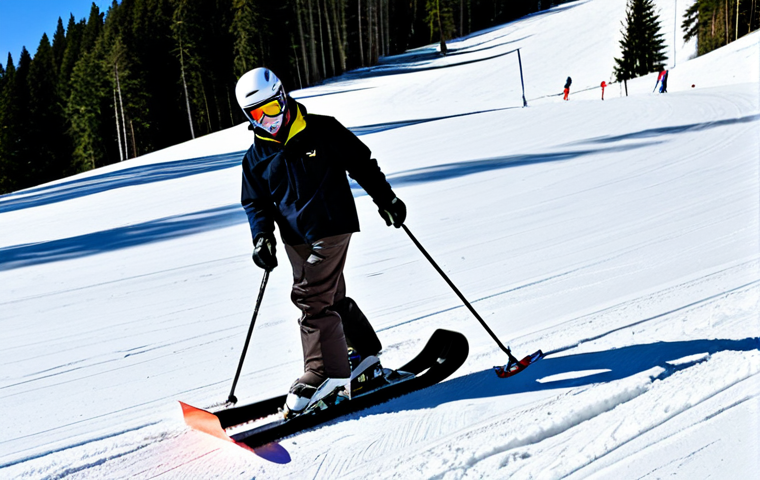
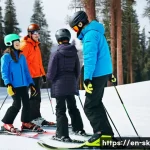
As ski instructors, we need to recognize that not everyone comes to us with the same level of experience or comfort on the slopes. Some might be first-timers, barely able to stand up in their boots, while others might have skied a few times but still need guidance on technique and safety. Then, you’ll have your intermediate skiers, looking to refine their skills and tackle more challenging terrain. Understanding these different levels is crucial for delivering effective instruction. I remember one time I was teaching a group of mixed abilities and I didn’t initially differentiate my instruction; the beginners were overwhelmed, and the intermediates were bored. It was a classic example of not meeting the students where they were. To truly help each student, we need to tailor our lessons to their specific needs and goals. This isn’t just about making the class more enjoyable; it’s about ensuring that everyone learns in a way that builds confidence and promotes safety. After all, a confident skier is a safe skier, and that’s what we’re ultimately striving for.
1. Assessing Beginner Skiers
When dealing with beginners, the first step is always to assess their physical comfort and coordination. Start with the basics: how to put on and take off their skis, how to walk in ski boots, and how to use the magic carpet or beginner lift. Get them comfortable with the equipment before even thinking about sliding. I like to have them practice some basic movements on flat ground, like side-stepping uphill and doing gentle snowplow stops. The key here is patience and encouragement. I’ve seen many beginners get discouraged early on if they feel rushed or pressured. Make sure to celebrate small victories, like successfully completing a snowplow turn or making it down the bunny hill without falling. Remember, building confidence is just as important as teaching technique at this stage.
2. Guiding Intermediate Skiers
Intermediate skiers typically have a solid understanding of the fundamentals but are looking to improve their technique and explore more challenging terrain. This is where you can start focusing on refining their carving skills, improving their pole work, and introducing them to different types of turns. I often find that intermediate skiers benefit from video analysis. Recording their runs and then reviewing the footage together can help them identify areas for improvement that they might not be aware of. For example, they might be surprised to see how much they’re relying on their inside ski in turns or how their upper body is rotating. It’s also important to challenge them appropriately. Encourage them to try steeper slopes, different snow conditions, and even some basic freestyle elements, like small jumps or rail slides (if they’re interested). Just make sure to emphasize safety and progression, reminding them to always ski within their abilities.
Mastering Effective Communication Techniques
Communication is key to being a successful ski instructor. It’s not just about explaining techniques; it’s about connecting with your students, understanding their fears and goals, and creating a positive learning environment. I’ve learned that clear, concise communication can make all the difference in a student’s progress and confidence. I’ve seen instructors who were technically brilliant but struggled to explain concepts in a way that students could understand. It’s crucial to use language that’s accessible and avoid jargon that might confuse beginners. More than just talking, it’s about actively listening to your students. What are their concerns? What are they struggling with? What are their expectations for the lesson? The better you understand your students, the better you can tailor your instruction to their individual needs. And remember, a little humor can go a long way. Skiing can be intimidating, especially for beginners, so a lighthearted approach can help put students at ease and make the learning process more enjoyable. I always try to weave in some funny anecdotes or relatable stories to keep my students engaged and motivated.
1. Using Clear and Concise Language
When explaining ski techniques, avoid using technical jargon that might confuse beginners. Instead, use simple, everyday language that they can easily understand. For example, instead of saying “initiate the turn by edging your skis,” try saying “tip your skis onto their sides to start turning.” Visual aids can also be incredibly helpful. Use hand gestures, demonstrations, and even drawings in the snow to illustrate key concepts. I often use the analogy of steering a car to explain how to control your skis. Just like you turn the steering wheel to change direction, you use your body weight and edge control to steer your skis. And remember, repetition is key. Don’t be afraid to repeat instructions and demonstrations multiple times, especially for beginners. It takes time and practice to internalize new skills, so be patient and supportive.
2. Active Listening and Empathy
Effective communication is a two-way street. It’s not just about talking; it’s about actively listening to your students and understanding their needs and concerns. Pay attention to their body language, their facial expressions, and the questions they ask. Are they hesitant or unsure about something? Do they seem frustrated or overwhelmed? If you sense that a student is struggling, take the time to address their concerns directly. Ask them what’s bothering them and offer specific advice and encouragement. Empathy is also crucial. Remember what it was like when you were first learning to ski. Acknowledge that it can be challenging and that it’s okay to make mistakes. Create a safe and supportive learning environment where students feel comfortable taking risks and pushing themselves. I often share my own personal struggles with skiing to show my students that everyone faces challenges and that it’s all part of the learning process.
Safety First: Prioritizing Risk Management on the Slopes
As ski instructors, our primary responsibility is to ensure the safety of our students. This means not only teaching them proper techniques but also instilling in them a strong sense of risk management and awareness. Before hitting the slopes, it’s essential to cover topics like the skier’s responsibility code, avalanche safety (if applicable), and how to recognize and avoid hazards. I always start my lessons with a safety briefing, emphasizing the importance of skiing within their abilities and being aware of their surroundings. It’s not just about avoiding accidents; it’s about creating a culture of safety and respect on the mountain. I’ve seen too many skiers who are reckless and inconsiderate, putting themselves and others at risk. As instructors, we have a responsibility to educate our students on how to be responsible and courteous skiers. This includes things like yielding to uphill skiers, avoiding stopping in blind spots, and controlling their speed in crowded areas. Safety isn’t just a set of rules; it’s a mindset. It’s about making smart decisions and prioritizing the well-being of ourselves and others on the slopes. I believe that a well-informed and safety-conscious skier is a happy skier, and that’s what we should all be striving for.
1. The Skier’s Responsibility Code
The skier’s responsibility code is a set of guidelines that outlines the basic principles of safe skiing. It’s important to review these guidelines with your students at the beginning of each lesson and to reinforce them throughout the day. Some of the key points of the code include: always skiing within your abilities, maintaining control of your speed and direction, being aware of your surroundings, yielding to uphill skiers, and avoiding stopping in blind spots. I often quiz my students on the code to make sure they understand it and can apply it to real-world situations. For example, I might ask them what they should do if they’re skiing down a steep slope and see a group of beginners struggling to get out of the way. The goal is to make the code second nature so that they automatically make safe decisions without having to think about it.
2. Identifying and Avoiding Hazards
The mountain environment can be unpredictable and full of potential hazards. As ski instructors, it’s our job to help our students identify and avoid these hazards. This includes things like ice patches, rocks, trees, and other skiers. I always start by teaching my students how to scan the slope for potential dangers. Look ahead, look to the sides, and be aware of what’s happening around you. If you see a hazard, take steps to avoid it. This might mean slowing down, changing direction, or stopping altogether. It’s also important to be aware of the weather conditions. Snow, wind, and fog can all reduce visibility and increase the risk of accidents. If the weather is bad, consider skiing on less challenging terrain or even taking a break altogether. Remember, it’s always better to be safe than sorry.
Advanced Techniques: Carving, Moguls, and Off-Piste Skiing
Once your students have mastered the fundamentals of skiing, they might be interested in learning more advanced techniques like carving, mogul skiing, and off-piste skiing. These techniques require a higher level of skill and athleticism, but they can also be incredibly rewarding. I’ve found that teaching these skills not only improves their skiing ability but also increases their confidence and enjoyment of the sport. It’s important to emphasize that these techniques should only be attempted by experienced skiers who are comfortable with the basics. Before introducing these advanced skills, make sure your students have a solid foundation in balance, edge control, and turn initiation. And always start with the basics. Break down each technique into smaller, more manageable steps, and provide plenty of opportunities for practice. Remember, patience is key. It takes time and effort to master these advanced skills, so encourage your students to be persistent and to celebrate their progress along the way.
1. Mastering the Art of Carving
Carving is a technique that allows skiers to make clean, precise turns by engaging the edges of their skis. It’s a beautiful and efficient way to ski, and it can greatly enhance your control and speed on the slopes. I often describe carving as “drawing lines in the snow.” The goal is to create a smooth, continuous arc with your skis, leaving a clean track in the snow. To carve effectively, you need to maintain a strong, athletic stance, keep your weight balanced over your skis, and engage your edges by tipping your skis onto their sides. It’s also important to use your entire body to initiate and control the turn. This includes your legs, your hips, and your upper body. Practice carving on groomed slopes with a gentle to moderate pitch. Start with wide, sweeping turns and gradually progress to tighter, more aggressive turns. And don’t be afraid to experiment with different edge angles and body positions to find what works best for you.
2. Conquering Moguls with Confidence
Moguls are those bumpy, uneven patches of snow that can be intimidating for even the most experienced skiers. But with the right technique and mindset, you can learn to navigate moguls with confidence and control. The key to mogul skiing is to stay light on your feet, maintain a balanced stance, and use your legs as shock absorbers. It’s also important to look ahead and plan your line through the moguls. Choose a path that allows you to maintain a consistent rhythm and avoid getting thrown off balance. I often tell my students to think of themselves as “dancing” through the moguls. The goal is to flow smoothly from one bump to the next, using your legs to absorb the impact and maintain your balance. Start with small, gentle moguls and gradually progress to larger, more challenging ones. And don’t be discouraged if you fall. Everyone falls in the moguls from time to time. Just get back up and try again.
Utilizing Technology: Incorporating Video Analysis and Feedback
In today’s world, technology plays an increasingly important role in ski instruction. Tools like video analysis, GPS tracking, and digital communication can greatly enhance the learning experience and help students improve their skills more effectively. I’ve seen firsthand how video analysis can transform a student’s understanding of their technique. By watching themselves ski, they can identify areas for improvement that they might not be aware of. It’s one thing to be told that you’re leaning back; it’s another thing to see it with your own eyes. But technology is not just about analysis; it’s also about communication. Digital platforms like messaging apps and online forums allow instructors to stay connected with their students outside of lessons, providing ongoing support and encouragement. I often use these tools to share videos, articles, and tips with my students, as well as to answer their questions and provide feedback on their progress. Ultimately, technology is a tool that can help us be more effective and engaging instructors. But it’s important to remember that it’s just a tool. The human element of ski instruction – the connection, the empathy, and the passion – is still essential for creating a truly transformative learning experience.
1. The Power of Video Analysis
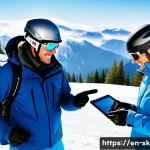
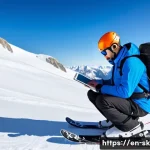
Video analysis is a powerful tool for helping students visualize their skiing technique and identify areas for improvement. By recording their runs and then reviewing the footage together, you can provide them with concrete examples of what they’re doing well and what they need to work on. I typically use a smartphone or a GoPro camera to record my students’ runs. I then upload the footage to a computer or tablet and review it with them, frame by frame. When analyzing the video, focus on key elements like stance, balance, edge control, and turn initiation. Point out specific examples of good technique, as well as areas where they could improve. I also like to use drawing tools to highlight specific movements or body positions. For example, I might draw a line to show the angle of their skis or circle their upper body to emphasize their posture. The goal is to provide them with a clear and visual understanding of their skiing technique so that they can make targeted improvements.
2. Providing Personalized Feedback
Technology can also help you provide personalized feedback to your students, both during and after lessons. GPS tracking apps can provide data on their speed, distance, and vertical drop, allowing you to track their progress over time. Digital communication platforms like messaging apps and online forums can facilitate ongoing communication and support. I often use these tools to send my students personalized feedback after their lessons. I might share a video of their best run, along with some specific tips for improvement. I also encourage them to ask questions and share their experiences on the online forum. The goal is to create a supportive and collaborative learning environment where students feel comfortable asking for help and sharing their successes. Remember, personalized feedback is more effective than generic advice. The more specific and relevant your feedback is, the more likely your students are to take it to heart and make positive changes to their skiing technique.
Building a Successful Ski Instruction Career
Becoming a successful ski instructor is more than just being a good skier. It requires a combination of technical skills, communication skills, and a passion for teaching. But it also requires a commitment to professional development and a willingness to adapt to the changing needs of the industry. I’ve seen many talented skiers who struggled to make a career out of ski instruction because they lacked the soft skills or the business acumen to succeed. It’s essential to continuously update your knowledge and skills by attending clinics, workshops, and certifications. The ski industry is constantly evolving, with new techniques, technologies, and safety standards emerging all the time. Staying up-to-date on these developments is crucial for providing your students with the best possible instruction. But it’s also important to build your professional network. Attend industry events, connect with other instructors, and seek out mentors who can provide guidance and support. The ski community is a tight-knit group, and building strong relationships can open doors to new opportunities. And finally, never lose your passion for skiing and teaching. The best ski instructors are those who genuinely love what they do and who are committed to sharing their passion with others. When you approach your work with enthusiasm and dedication, your students will sense it, and they’ll be more likely to have a positive and rewarding learning experience.
1. Continuous Professional Development
The ski industry is constantly evolving, with new techniques, technologies, and safety standards emerging all the time. To stay ahead of the curve and provide your students with the best possible instruction, it’s essential to engage in continuous professional development. This might involve attending clinics, workshops, and certifications offered by organizations like the Professional Ski Instructors of America (PSIA) or the Canadian Ski Instructors’ Alliance (CSIA). These programs provide instructors with the latest knowledge and skills in areas like teaching methodology, biomechanics, and risk management. But professional development isn’t just about formal training. It’s also about staying curious, reading industry publications, and learning from your peers. Attend industry events, connect with other instructors, and share your experiences and insights. The more you learn and grow as an instructor, the more effective you’ll be at helping your students achieve their goals.
2. Building Your Professional Network
The ski community is a tight-knit group, and building strong relationships with other instructors, resort staff, and industry professionals can open doors to new opportunities. Attend industry events, volunteer at ski races, and join professional organizations. These activities will allow you to meet new people, share your expertise, and learn from others. Networking is not just about making connections; it’s about building relationships. Take the time to get to know people, understand their interests and goals, and offer your support. The more you invest in your professional network, the more likely you are to find mentors, collaborators, and even job opportunities. And remember, networking is a two-way street. Be generous with your time and expertise, and always be willing to help others. The stronger your network, the more successful you’ll be in your ski instruction career.
| Skill Level | Key Focus Areas | Instructional Techniques |
|---|---|---|
| Beginner | Basic movement, equipment familiarization, building confidence | Patience, clear demonstrations, positive reinforcement |
| Intermediate | Refining technique, exploring new terrain, video analysis | Challenging drills, targeted feedback, video analysis sessions |
| Advanced | Carving, moguls, off-piste skiing, pushing boundaries | Specialized instruction, advanced drills, real-world application |
In Conclusion
Being a ski instructor is more than just a job; it’s a passion. It’s about sharing the joy of skiing with others, helping them overcome their fears, and witnessing their progress on the slopes. I’ve had the privilege of watching countless students transform from hesitant beginners to confident skiers, and that’s a reward that’s hard to beat. So, whether you’re an aspiring instructor or a seasoned pro, remember to prioritize safety, communicate effectively, and never stop learning. The mountains are waiting, and there are plenty of skiers who are eager to learn from you!
Good to Know Information
1. Always check the weather forecast before heading to the slopes. Conditions can change rapidly, and it’s important to be prepared for any eventuality.
2. Wear appropriate clothing and gear. Dress in layers to stay warm and dry, and make sure your helmet fits properly. I personally love layering merino wool as a base; it wicks away moisture and keeps you toasty even when wet!
3. Stay hydrated and fueled. Skiing can be physically demanding, so it’s important to drink plenty of water and eat nutritious snacks throughout the day. I always pack a granola bar or some trail mix for a quick energy boost.
4. Be aware of your surroundings. Pay attention to other skiers and snowboarders, and be mindful of potential hazards like ice patches and rocks.
5. Take breaks when you need them. Skiing can be tiring, so don’t hesitate to rest and recharge when you start to feel fatigued. Grab a hot cocoa and enjoy the mountain views!
Key Takeaways
* Tailor your instruction to the specific skill level of your students, whether they’re beginners, intermediates, or advanced skiers.
* Master effective communication techniques, including clear language, active listening, and empathy, to connect with your students and create a positive learning environment.
* Prioritize risk management on the slopes by emphasizing the skier’s responsibility code and teaching students how to identify and avoid hazards.
* Utilize technology, such as video analysis and personalized feedback, to enhance the learning experience and help students improve their skills more effectively.
* Commit to continuous professional development and build your professional network to stay ahead of the curve and advance your ski instruction career.
Frequently Asked Questions (FAQ) 📖
Q: Why is it important to develop good lecture materials for ski instructors right now?
A: With the rising popularity of skiing, especially after the Winter Games showcasing some truly inspiring athletic feats, there’s a surge in demand for knowledgeable and skilled instructors.
More people are eager to learn how to ski correctly and safely. From my own experience as an instructor, I know having solid, current materials is vital to effectively guide students.
Q: How will the role of ski instructors change in the future?
A: Looking ahead, the ski instruction field is evolving, with AI-driven personalization becoming more prevalent. Instructors will need to adapt to technologies such as AI-powered personalized feedback systems and even virtual reality training modules.
It’s not just about teaching the basics anymore; it’s about integrating technology to provide a more tailored and effective learning experience.
Q: What makes having up-to-date resources particularly essential for ski instructors?
A: The thing is, techniques and safety standards are constantly evolving in the ski world. If instructors are relying on outdated materials, they might not be teaching the most effective methods or, even worse, could be overlooking crucial safety protocols.
Think about it – you wouldn’t want your instructor teaching you something they learned 20 years ago, right? Having current, evidence-based resources ensures that instructors are providing the best possible instruction to their students.
📚 References
Wikipedia Encyclopedia
구글 검색 결과
구글 검색 결과
구글 검색 결과
구글 검색 결과
구글 검색 결과