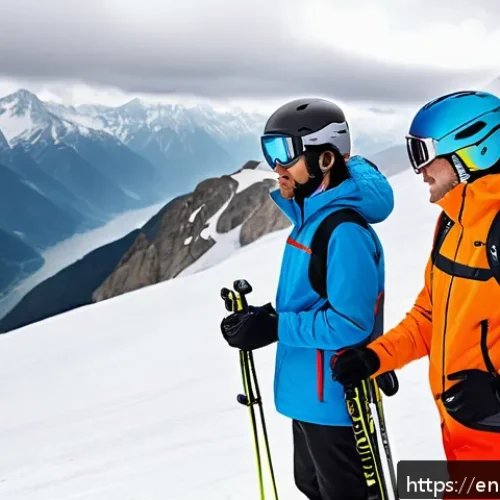
Every skier comes with unique goals, skill levels, and learning styles, making personalized coaching essential for success on the slopes. Understanding these individual needs not only enhances the learning experience but also builds trust and motivation between instructor and student.

As ski instructors, adapting our approach can mean the difference between a frustrated beginner and a confident adventurer. With the rise of diverse skiing communities and evolving techniques, tailoring lessons has become more important than ever.
Let’s dive deeper into how analyzing customer needs can transform ski instruction and elevate the entire experience. I’ll guide you through the details so you can get it just right!
Recognizing Diverse Skill Levels and Progression Paths
Assessing Beginner Comfort and Confidence
When first meeting a novice skier, it’s crucial to gauge not only their basic physical coordination but also how comfortable they feel with unfamiliar equipment and snowy terrain.
I’ve noticed that some beginners appear eager but quickly get overwhelmed when facing even gentle slopes. Asking open-ended questions about past sports experience or fears often reveals hidden barriers.
For example, a client who’s never been on ice might need extra time just to get used to balance and edges before tackling turns. Tailoring early sessions to build small wins helps turn anxiety into excitement, which is a game changer for motivation.
Customizing Techniques for Intermediate Skiers
Intermediate skiers typically come with a mix of habits—some good, some not so much. From my experience, they often need a blend of refining their carving skills while also improving control on varied snow conditions.
One of my go-to strategies is video analysis during lessons; showing them real-time footage helps pinpoint subtle mistakes they weren’t aware of. This visual feedback combined with drills focused on rhythm and weight distribution usually accelerates their progress.
It’s about fine-tuning what they already have and adding complexity at the right pace.
Challenging Advanced Skiers with New Goals
Advanced skiers often seek challenges beyond basic techniques—think off-piste runs, moguls, or freestyle tricks. Understanding their motivation is key because some want adrenaline-packed adventures, while others pursue technical mastery.
When I work with advanced clients, I spend time discussing their favorite terrain and skiing role models to align training with their aspirations. I also emphasize safety and risk management, which sometimes gets overlooked in the quest for thrill.
Encouraging goal-setting for skill milestones keeps sessions purposeful and rewarding.
Adapting Communication Styles to Enhance Learning
Visual vs. Verbal Learning Preferences
Not all skiers grasp instructions the same way, and I’ve found that identifying whether someone learns better through demonstration or explanation can save a lot of frustration.
For visual learners, I use clear, slow-motion demos and even hand gestures to illustrate body positioning. Verbal learners, on the other hand, appreciate detailed descriptions of movements and why they matter.
Sometimes combining both methods, plus immediate feedback, helps reinforce concepts and keeps learners engaged. It’s always about reading the room and adjusting on the fly.
Using Positive Reinforcement to Build Confidence
Skiing can be intimidating, so I make a conscious effort to celebrate even the smallest improvements. I remember one client who struggled with parallel turns for weeks; instead of just correcting errors, I highlighted every successful attempt, which boosted their morale immensely.
Positive reinforcement doesn’t mean ignoring mistakes but balancing critique with encouragement. This approach helps create a safe learning environment where skiers feel supported rather than judged, fostering persistence and trust.
Handling Frustration and Mental Blocks
It’s common for skiers to hit plateaus or get stuck mentally, especially after falls or tough lessons. I’ve learned that acknowledging these feelings openly can diffuse tension.
I often share my own stories of setbacks to normalize the experience. Techniques like guided breathing, breaking tasks into manageable chunks, or switching to a fun game can help break the cycle of frustration.
Patience is key—sometimes a short break or a change of scenery can reignite motivation more than pushing harder.
Incorporating Individual Goals into Lesson Planning
Setting Realistic and Meaningful Objectives
Goal-setting is a collaborative process where I encourage clients to articulate what success means to them—whether it’s skiing down a black diamond run or simply enjoying a family trip without fear.
I’ve found that clear, achievable milestones create a roadmap that guides lesson structure and pacing. For instance, if a client’s goal is to ski confidently on groomed trails, lessons focus on balance and controlled turns.
For those eyeing freestyle, sessions might emphasize jumps and tricks gradually. This personalized approach keeps the journey relevant and motivating.
Tracking Progress and Celebrating Milestones
Regular check-ins are vital to keep lessons aligned with evolving goals. I use simple progress charts and verbal feedback to help clients see how far they’ve come.
Celebrating milestones, like mastering a new technique or completing a challenging run, reinforces commitment. From my experience, this also helps prevent discouragement when progress feels slow.
It’s rewarding for both instructor and student to witness tangible growth, and it often sparks a desire to set new, higher goals.
Adapting Plans Based on Feedback and Experience
Flexibility is essential because skiing conditions, physical readiness, or even mood can change daily. I always ask for client feedback at the end of each session and adjust future plans accordingly.
Sometimes a technique that worked well one day may need tweaking the next. Being responsive to these nuances builds trust and demonstrates that I’m invested in their success, not just following a rigid curriculum.
This adaptability also allows me to introduce fresh challenges or revisit basics when needed.
Addressing Physical and Environmental Factors
Considering Fitness and Physical Limitations
Skiing demands strength, balance, and endurance, but each person’s physical condition varies widely. I’ve had clients with knee issues or limited flexibility who needed customized warm-ups and modified drills to avoid injury.
Assessing these factors upfront allows me to design sessions that respect their bodies while still pushing progress. Sometimes we incorporate off-slope exercises for core strength or balance, which I find greatly improves on-snow performance.
This holistic view ensures safer, more effective learning.
Adjusting to Weather and Terrain Variability
Weather changes can dramatically affect skiing conditions, from icy patches to deep powder. I always prepare clients for these shifts by explaining how techniques should adapt.
For example, skiing on ice demands more edge control and cautious speed, while powder requires a more centered stance and fluid movements. Teaching skiers to read the environment empowers them to stay safe and confident regardless of conditions.
I also tailor lesson locations based on client ability and daily snow quality to maximize learning and enjoyment.
Equipment Fit and Selection
Proper equipment can make or break a skiing experience. I’ve noticed that clients often underestimate the impact of well-fitted boots and appropriately sized skis.

During lessons, I check gear fit and recommend adjustments or rentals that better suit their skill level and goals. For instance, beginners benefit from softer boots and shorter skis for easier turning, while advanced skiers might prefer stiffer, longer skis for stability at high speeds.
Helping clients understand this connection often leads to smoother progress and fewer frustrations.
Building Trust Through Personalized Interaction
Establishing Rapport and Open Communication
From day one, I prioritize creating a friendly, non-intimidating atmosphere. Sharing a bit about my own skiing journey often breaks the ice and makes clients feel more at ease.
I encourage questions and actively listen to concerns, which builds a foundation of trust. This relationship is crucial because skiing involves risk, and clients need to feel confident that their instructor understands their unique needs and respects their pace.
Demonstrating Empathy and Patience
Learning to ski is not just physical; it’s emotional too. I’ve seen firsthand how empathy and patience can transform a nervous beginner into a joyful skier.
When clients struggle or hesitate, I avoid pushing them too hard and instead acknowledge their feelings. Sometimes just saying, “It’s okay to take your time” can alleviate pressure.
This compassionate approach fosters a positive learning environment where mistakes become stepping stones rather than setbacks.
Encouraging Self-Reflection and Ownership
I find that encouraging clients to reflect on their own skiing experiences helps deepen their engagement. After each run or drill, I ask what felt good and what they’d like to improve.
This practice promotes self-awareness and empowers skiers to take ownership of their development. When clients see themselves as active participants rather than passive recipients, their motivation and resilience naturally increase.
Utilizing Technology to Enhance Learning
Video Playback for Immediate Feedback
One of the most effective tools I’ve integrated is video recording during lessons. Watching themselves ski gives clients a fresh perspective on posture and movement that words alone can’t convey.
I make sure to review clips with them immediately, pointing out strengths and areas for improvement. This instant visual feedback accelerates learning because it’s concrete and easy to understand.
Plus, it’s fun to see progress over time.
Apps and Wearables for Tracking Performance
Some of my clients enjoy using ski-specific apps and wearable devices that track speed, turns, and distance. These tools provide data-driven insights that complement hands-on coaching.
For example, a client might notice they lean too far forward or lose balance on certain turns by reviewing stats and graphs. Integrating technology creates a modern, interactive learning experience that appeals especially to tech-savvy skiers.
Virtual and Augmented Reality Training
Though still emerging, VR and AR offer promising ways to practice skiing techniques off the mountain. I’ve experimented with these tools myself and found them useful for visualizing movements and building muscle memory.
While nothing replaces real snow, incorporating virtual elements can reinforce concepts and maintain engagement during off-seasons or injury recovery periods.
Staying informed about these innovations helps me offer cutting-edge instruction.
Creating Inclusive and Enjoyable Environments
Respecting Cultural and Personal Differences
Skiing communities are wonderfully diverse, and I’ve learned to appreciate the unique backgrounds clients bring to the slopes. Some may have language barriers or differing expectations about teaching styles.
Being mindful and adaptable ensures everyone feels welcomed and valued. For example, using simple language, visual aids, or even learning key phrases in a client’s native tongue can make a big difference.
Inclusivity isn’t just about skill—it’s about connection.
Encouraging Social Interaction and Group Dynamics
While private lessons offer focused attention, group sessions can foster camaraderie and motivation. I facilitate ice-breakers and cooperative drills that help skiers bond and learn from each other’s experiences.
I’ve noticed that peer encouragement often boosts confidence, especially for shy or hesitant learners. Balancing individual needs within a group setting requires attentiveness but can lead to a richer, more enjoyable experience.
Incorporating Fun and Variety
Finally, I believe that fun is the glue that holds all learning together. I mix drills with games, challenges, and creative exercises to keep sessions lively.
For instance, turning a balance drill into a “ski limbo” contest or timing slalom runs adds playful competition that lightens the mood. When clients are having fun, they’re less self-conscious and more willing to try new things, which naturally accelerates skill development.
| Customer Profile | Key Needs | Teaching Strategies | Equipment Recommendations |
|---|---|---|---|
| Beginner | Comfort with equipment, basic balance, overcoming fear | Simple demos, positive reinforcement, gradual slope introduction | Soft boots, short skis, helmet, goggles |
| Intermediate | Technique refinement, varied terrain handling | Video feedback, rhythm drills, edge control exercises | Medium flex boots, all-mountain skis |
| Advanced | Challenging terrain, freestyle skills, risk management | Goal-setting, safety emphasis, off-piste training | Stiff boots, specialized skis (mogul, powder, freestyle) |
Wrapping Up
Understanding the unique needs and goals of skiers at every level is essential for effective coaching. By adapting techniques, communication, and equipment recommendations, instructors can create a supportive and motivating environment. Embracing technology and fostering inclusivity further enrich the learning experience. Ultimately, personalized guidance transforms challenges into rewarding progress on the slopes.
Useful Information to Keep in Mind
1. Building confidence early with small achievements helps beginners stay motivated and overcome fear.
2. Using video feedback is a powerful way for intermediate skiers to recognize and correct subtle mistakes.
3. Advanced skiers benefit from clear goal-setting and safety awareness to push limits responsibly.
4. Tailoring communication styles—whether visual or verbal—improves understanding and retention.
5. Properly fitting equipment matched to skill level enhances comfort and performance on the mountain.
Key Takeaways
Effective ski instruction hinges on recognizing individual skill levels and personal goals while maintaining flexibility in lesson plans. Positive reinforcement and empathetic communication build trust and encourage persistence. Incorporating technology offers valuable insights and keeps learners engaged. Lastly, creating an inclusive, fun atmosphere fosters connection and accelerates skill development for all participants.
Frequently Asked Questions (FAQ) 📖
Q: Why is personalized coaching important for skiers of different skill levels?
A: Personalized coaching is crucial because every skier has unique strengths, weaknesses, and learning preferences. For beginners, a tailored approach can help break down basic techniques into manageable steps, reducing frustration and building confidence.
For advanced skiers, customized lessons focus on refining skills and addressing specific challenges, leading to faster progress. When instruction aligns with individual needs, it creates a more engaging and effective learning environment, which ultimately leads to better results on the slopes.
Q: How can ski instructors effectively assess a student’s learning style and goals?
A: A good instructor starts by having an open conversation with the student to understand their past experience, what they want to achieve, and how they prefer to learn—whether through visual demonstrations, verbal explanations, or hands-on practice.
Observing the skier in action also provides valuable insights into their natural tendencies and areas that need improvement. By combining this information, instructors can design lessons that resonate personally with the student, making the sessions more productive and enjoyable.
Q: What benefits do skiers experience when lessons are tailored to their individual needs?
A: Tailored lessons boost motivation because skiers feel their instructor genuinely understands and supports their personal journey. This connection fosters trust, making students more open to feedback and willing to push their limits.
Additionally, customized coaching often leads to quicker skill acquisition, as it targets the student’s specific challenges rather than applying a one-size-fits-all method.
From my own experience, when lessons match my goals and style, I stay more engaged and excited to hit the slopes, which makes learning feel less like work and more like an adventure.