5 Proven Ways Ski Instructors Can Analyze Client Types for Better Coaching Results

webmaster

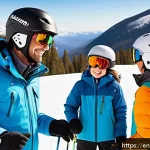
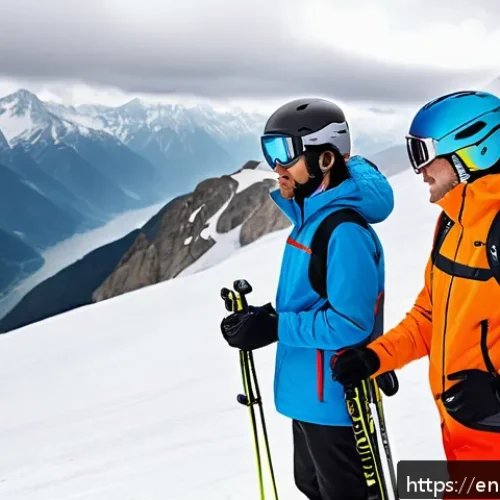
스키 강사의 고객 유형 분석 방법 - A cheerful beginner skier wearing colorful winter gear and a warm helmet, standing hesitantly at the...

Understanding the different types of clients a ski instructor encounters can dramatically improve the teaching experience and overall satisfaction. Each skier comes with unique goals, skill levels, and learning styles, making personalized approaches essential.

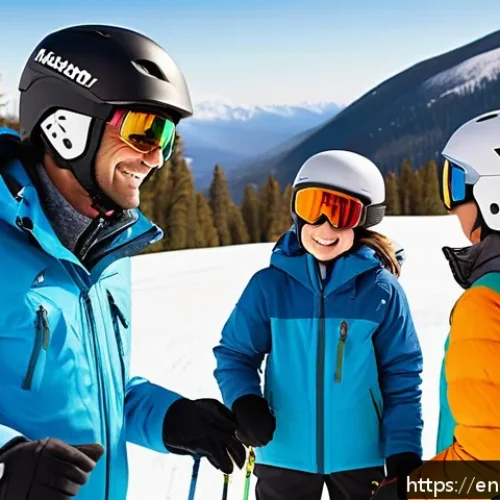
스키 강사의 고객 유형 분석 방법 관련 이미지 1

By analyzing client profiles, instructors can tailor lessons that boost confidence and accelerate progress. This insight not only enhances communication but also builds stronger trust between instructor and student.

Let’s dive deeper and explore how to accurately identify and work with these diverse customer types!

Recognizing Skill Levels and Learning Preferences

Identifying Beginner Mindsets and Motivations

Beginners often arrive with a mix of excitement and nervousness, eager to conquer the slopes but unsure of where to start. What I’ve found through experience is that many beginners are motivated by the thrill of learning something new or the desire to enjoy winter activities with friends and family.

They typically need more reassurance and clear, simple instructions to build foundational skills. Watching their body language and asking open-ended questions about past experiences or fears can give clues about their confidence level.

For example, a beginner who hesitates to even strap in might benefit from a slower pace and more encouragement, whereas one who has tried skiing once before might be ready to focus on balance and basic turns.

Adapting to Intermediate Skiers’ Goals

Intermediate skiers usually have some experience but are looking to refine techniques or tackle more challenging terrain. These clients often come with specific goals like improving carving skills or gaining control on steeper slopes.

I’ve noticed that intermediate learners respond well when lessons are structured around skill-building drills paired with real-time feedback. The key is to balance challenge and support—pushing them just enough to grow without causing frustration.

Their learning style can range from visual (watching demonstrations) to kinesthetic (hands-on practice), so mixing up teaching methods keeps them engaged and accelerates progress.

Understanding Advanced Skiers and Their Expectations

Advanced skiers tend to be highly self-aware and goal-oriented, often seeking to perfect particular techniques or prepare for competitions. They usually have a solid grasp of skiing fundamentals, so my approach shifts toward fine-tuning subtle movements and enhancing performance through video analysis or off-piste guidance.

These clients appreciate precise, technical feedback and often prefer a collaborative coaching style where they actively participate in setting lesson goals.

Because their skills and demands vary widely, clear communication and flexibility are crucial. I always make sure to acknowledge their expertise while offering fresh insights that challenge their limits.

Advertisement

Tailoring Communication Styles for Effective Teaching

Building Trust Through Empathy and Active Listening

From my experience, the foundation of a successful instructor-client relationship is trust, which grows when clients feel genuinely heard and understood.

Taking the time to listen actively to their concerns, preferences, and fears often transforms anxious beginners into confident learners. I try to mirror their language style—if they use casual, lighthearted speech, I match that tone; if they’re more serious or technical, I adjust accordingly.

This subtle adaptation creates rapport and opens the door for honest feedback, which is vital for tailoring lesson plans.

Using Positive Reinforcement to Boost Confidence

I’ve found that celebrating small wins—whether it’s a balanced stance or a clean turn—can dramatically increase a client’s motivation. Positive reinforcement doesn’t just improve mood; it rewires their mindset to associate skiing with success and enjoyment.

I mix verbal praise with tangible progress tracking, like showing video clips or setting achievable mini-goals. This approach works especially well with beginners and intermediates who may struggle with self-doubt.

It’s also important to avoid over-correcting or focusing too much on mistakes, which can kill enthusiasm.

Adapting Language for Different Learning Preferences

People absorb information in diverse ways, and recognizing this helps make lessons more effective. Visual learners benefit from demonstrations and diagrams, while auditory learners prefer detailed verbal explanations.

Kinesthetic learners, on the other hand, need to feel the movements themselves. When I teach, I try to incorporate all three styles: demonstrating a technique, explaining its purpose, and then guiding the client through the motion.

By switching between these modes, I can keep clients engaged and help them internalize skills faster.

Advertisement

Customizing Lesson Plans Based on Client Objectives

Designing Fun and Safety-Focused Sessions for Recreational Skiers

Many skiers prioritize enjoyment and safety over technical mastery, especially families or casual vacationers. For these clients, I create lessons that emphasize smooth, controlled descents and basic safety protocols.

We focus on easy slopes and frequent breaks to keep energy high and stress low. From my perspective, blending playful elements like games or friendly races encourages participation and makes learning less intimidating.

This approach also fosters a relaxed atmosphere where clients feel comfortable asking questions or expressing concerns.

Challenging Performance-Driven Clients with Targeted Drills

For clients aiming to compete or ski aggressively, I incorporate drills that hone agility, balance, and speed. These sessions often include timed runs, video feedback, and off-piste training to simulate real-world conditions.

I’ve noticed that these clients appreciate structured lesson plans with measurable milestones. They tend to respond well to direct, no-nonsense communication and detailed technical analysis.

The key is to keep pushing boundaries while preventing burnout through proper rest and recovery guidance.

Supporting Group Dynamics and Peer Learning

Group lessons introduce social dynamics that can either motivate or distract learners. I’ve learned to read group energy and balance individual attention with collective engagement.

Encouraging peer feedback and shared goals helps build camaraderie and accountability. For groups with mixed skill levels, I design tiered exercises that allow each participant to work at their own pace while feeling part of the team.

Managing group dynamics effectively requires patience and quick adaptability to keep everyone progressing harmoniously.

Advertisement

Leveraging Technology to Enhance Instruction

Using Video Analysis for Technique Refinement

One of the most powerful tools I use is video recording to capture clients’ runs. Watching footage together allows us to pinpoint subtle technical flaws that are hard to detect in real time.

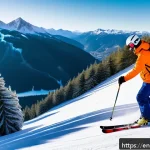
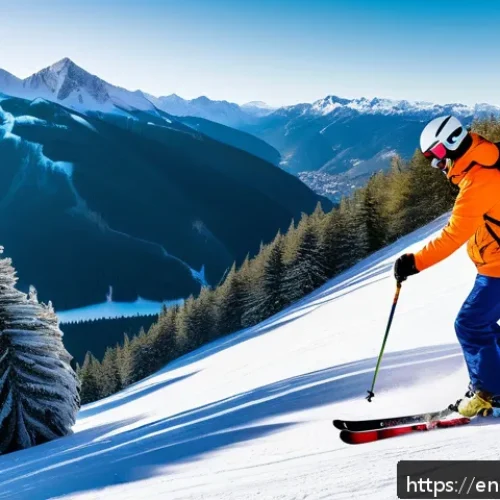
스키 강사의 고객 유형 분석 방법 관련 이미지 2

Clients often say that seeing themselves skiing gives them a new perspective and motivates them to adjust their form. It also fosters a collaborative learning environment since they can suggest areas to focus on.

I always make sure the feedback is constructive and paired with actionable tips.

Incorporating Wearables and Apps for Real-Time Feedback

Wearable devices that track speed, turns, and heart rate are becoming game changers in ski instruction. I’ve worked with clients who use these gadgets to monitor performance metrics and set personalized goals.

Apps that map runs or provide terrain data also help tailor lessons to current conditions and skill levels. Integrating technology keeps lessons fresh and relevant, especially for tech-savvy clients who enjoy data-driven progress tracking.

Balancing Traditional Methods with Modern Tools

While technology is helpful, I always emphasize the importance of hands-on guidance and personal connection. Some clients prefer a more classic teaching approach without gadgets.

In my experience, blending technology with traditional techniques—like verbal cues, physical demonstrations, and real-time corrections—yields the best results.

The key is to customize the balance based on each client’s comfort and learning style.

Advertisement

Handling Emotional and Psychological Factors in Ski Lessons

Recognizing and Addressing Fear and Anxiety

Fear is a common barrier, especially for beginners or those returning after an injury. I’ve seen clients freeze up or avoid certain maneuvers due to anxiety.

It’s crucial to acknowledge these feelings without judgment and create a safe, supportive environment. Gradual exposure to feared situations, combined with relaxation techniques like deep breathing, helps clients regain confidence.

Sharing personal stories of overcoming fear also builds empathy and connection.

Motivating Through Setbacks and Plateaus

Progress isn’t always linear, and clients can get discouraged by plateaus or mistakes. I try to normalize these experiences by framing them as natural parts of learning.

Encouraging a growth mindset—where effort and persistence are valued over immediate success—has helped many clients stay committed. I also break down complex skills into manageable chunks to avoid overwhelm and celebrate incremental improvements.

Fostering a Positive, Growth-Oriented Mindset

Beyond technical skills, I focus on cultivating resilience and a love for skiing itself. This means encouraging clients to enjoy the process, appreciate small victories, and stay curious.

I often use affirmations and visualization exercises to reinforce positive thinking. In my experience, clients who develop this mindset not only learn faster but also become lifelong skiers who embrace challenges with enthusiasm.

Advertisement

Managing Diverse Client Profiles Efficiently

Segmenting Clients by Experience, Goals, and Attitude

To streamline lesson planning, I categorize clients into profiles based on their skill level, objectives, and mindset. This helps me anticipate needs and customize strategies quickly.

For example, a beginner who’s goal-oriented might require a different approach than a recreational skier focused on fun. Understanding these dimensions upfront reduces guesswork and increases lesson effectiveness.

Balancing Individual Attention with Group Efficiency

Especially during busy seasons, juggling multiple clients requires efficient time management. I prioritize personalized feedback during key moments and use group drills to maximize learning.

Rotating clients through stations or peer coaching activities also maintains engagement. From my perspective, clear communication about lesson structure and expectations keeps everyone aligned.

Tracking Progress and Adjusting Plans Dynamically

Keeping detailed notes on each client’s strengths, challenges, and preferences allows me to adapt lessons as they evolve. I use simple progress charts and verbal check-ins to monitor development.

When a client plateaus or shifts goals, I tweak the curriculum accordingly. This dynamic approach ensures lessons stay relevant and motivating.

Client Type Typical Goals Preferred Teaching Style Common Challenges
Beginner Basic skills, confidence building Patient, step-by-step guidance Fear, lack of balance
Intermediate Technique refinement, new terrain Mixed visual and kinesthetic methods Frustration with plateaus
Advanced Performance optimization, competition prep Technical, feedback-driven High expectations, risk management
Recreational Fun, safety Relaxed, game-based Motivation, consistency
Group Social learning, shared progress Collaborative, tiered exercises Varied skill levels, attention balance
Advertisement

Conclusion

Understanding the diverse skill levels and learning preferences of skiers is essential for delivering effective and enjoyable lessons. Tailoring communication and lesson plans to meet individual goals fosters confidence and accelerates progress. By combining empathy, technology, and adaptive teaching methods, instructors can create a supportive environment where every skier thrives.

Advertisement

Useful Information to Keep in Mind

1. Recognize that beginners often need patience and encouragement to overcome fear and build foundational skills.
2. Intermediate skiers benefit most from a mix of visual and hands-on learning paired with constructive feedback.
3. Advanced skiers appreciate precise, technical coaching that challenges their limits while respecting their expertise.
4. Incorporating technology like video analysis and wearable devices can greatly enhance skill development and motivation.
5. Managing group dynamics effectively requires balancing individual attention with collaborative exercises to keep everyone engaged.

Advertisement

Key Takeaways

Successful ski instruction hinges on recognizing each client’s unique experience, goals, and mindset. Building trust through empathy and positive reinforcement creates a solid foundation for learning. Customizing lesson plans to align with client objectives, while integrating modern tools and addressing emotional factors, leads to more meaningful progress. Efficiently managing diverse client profiles ensures lessons remain engaging and productive, ultimately making skiing a rewarding experience for all.

Frequently Asked Questions (FAQ) 📖

Q: How can a ski instructor quickly identify a client’s skill level during the first lesson?

A: From my experience, the best way to gauge skill level early on is through simple observation and asking a few targeted questions. For example, watching how the client handles basic movements like stopping or turning gives immediate clues.
Also, asking about their previous skiing experience or comfort on different slopes helps tailor the lesson right away. This approach saves time and builds confidence because you’re not pushing someone too hard or holding back unnecessarily.

Q: What are effective strategies for adapting teaching methods to different learning styles in skiing?

A: Skiers learn in various ways—some respond better to visual cues, others to verbal instructions or hands-on guidance. I usually start by mixing these methods and watching which one clicks fastest.
For instance, if a client perks up when I demonstrate a technique rather than just explaining it, I focus more on showing. Patience and flexibility are key.
Personalizing your approach not only speeds up progress but also makes lessons more enjoyable and less frustrating for the student.

Q: How does understanding client goals impact the success of ski instruction?

A: Knowing what each skier wants to achieve changes everything. When I had a client aiming to conquer black diamond runs versus another who just wanted to enjoy gentle slopes safely, my teaching style shifted completely.
Aligning lessons with their goals keeps motivation high and ensures the skills taught are relevant. It also fosters trust because the student feels genuinely understood and supported, which in turn encourages them to push their limits confidently.

📚 References


➤ Link

– Google Search

➤ Link

– Bing Search

➤ Link

– Google Search

➤ Link

– Bing Search

➤ Link

– Google Search

➤ Link

– Bing Search

➤ Link

– Google Search

➤ Link

– Bing Search

➤ Link

– Google Search

➤ Link

– Bing Search

➤ Link

– Google Search

➤ Link

– Bing Search

➤ Link

– Google Search

➤ Link

– Bing Search
Advertisement