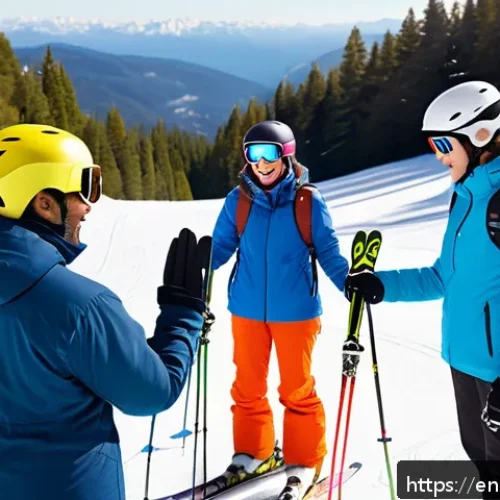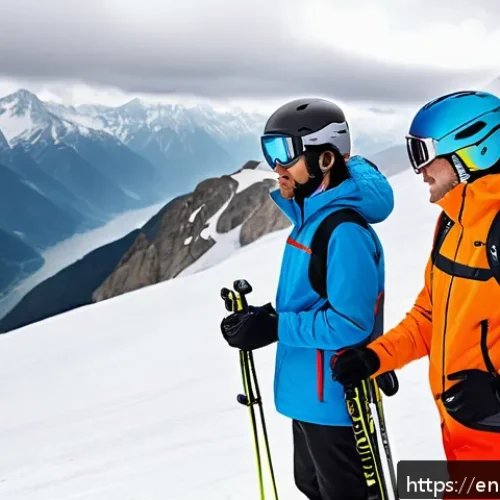
Breaking into the global ski instructor market is an exciting journey filled with unique challenges and rewarding opportunities. With the rise of winter tourism worldwide, skilled instructors are in high demand across various countries, each offering distinct cultures and terrains.
Whether you’re an experienced pro or just starting out, understanding international certification standards and adapting to diverse client needs is crucial.

I’ve seen firsthand how embracing local customs and languages can elevate the teaching experience and open doors to new markets. Ready to explore how you can carve your path in this dynamic industry?
Let’s dive into the details together!
Understanding International Certification Requirements
Recognizing Global Standards in Ski Instruction
When stepping into the international ski instructor market, one of the first hurdles is grasping the various certification standards across countries.
Organizations like the International Ski Instructors Association (ISIA) play a pivotal role in unifying qualifications, but local bodies often have their own requirements.
For instance, Europe leans heavily on the ISIA endorsement, while North America emphasizes certifications from PSIA (Professional Ski Instructors of America) or CASI (Canadian Association of Snowboard Instructors).
Knowing which certifications are valued in your target region is essential for credibility and employability. I’ve noticed that having multiple internationally recognized certifications can dramatically increase your chances of being hired in diverse locations.
Steps to Obtain and Transfer Certifications
Obtaining certification isn’t just about passing a test; it’s about accumulating teaching hours, demonstrating technical skills, and often, meeting language prerequisites.
Some countries require instructors to complete local modules that address regional terrain and safety norms. Transferring certifications between countries can sometimes be straightforward if they share ISIA membership, but at other times, additional local validation is necessary.
From my experience, proactively communicating with local ski schools before arrival helps clarify these nuances and avoids surprises. A strategic approach involves starting with a base certification and then augmenting it with region-specific qualifications.
Language Skills as a Certification Complement
While certification proves your technical capability, language skills often serve as the bridge between instructor and student. Countries with diverse tourist populations demand instructors who can communicate effectively in English, but knowledge of local languages like French in the Alps or Japanese in Hokkaido can be a game changer.
I’ve personally found that investing time in learning the local language not only improves client satisfaction but also builds deeper connections with the community, leading to better job offers and repeat clients.
Adapting Teaching Styles to Different Cultures and Client Expectations
Understanding Cultural Attitudes Toward Learning
Teaching styles that work well in one country might not resonate in another. For example, North American students often appreciate a casual, encouraging approach with a focus on fun, whereas European clients may expect more technical precision and structured lessons.
In Asia, respect and hierarchy can influence how feedback is given and received, requiring a more diplomatic and patient style. From what I’ve observed, tailoring your communication style and lesson structure to these cultural preferences enhances the learning experience and boosts your reputation as a versatile instructor.
Customizing Lessons for Varied Skill Levels and Goals
Clients come with diverse goals—some aim to master advanced techniques, others just want to enjoy gentle slopes safely. In emerging ski markets, beginners might dominate, necessitating a gentle, confidence-building approach.
In contrast, established ski resorts often attract advanced skiers seeking performance refinement. I always recommend conducting a thorough initial assessment and then adapting your lesson plans accordingly.
Incorporating local terrain features and weather conditions into your teaching also makes lessons more relevant and engaging.
Balancing Group and Private Instruction Demands
Group lessons require a different skill set than private sessions. Managing a group involves multitasking, maintaining safety, and fostering group dynamics, while private lessons allow for tailored feedback and rapid progress.
Some regions prefer group lessons due to economic factors, while luxury resorts focus on personalized coaching. In my experience, offering flexibility and being able to switch seamlessly between these modes increases your marketability.
Building rapport in group settings can often lead to private bookings, which tend to be more lucrative.
Exploring Popular Destinations and Market Trends
Emerging Ski Markets with High Demand
While classic ski destinations like the Alps and Rockies remain popular, new markets are rapidly expanding. Countries such as Japan, South Korea, and even parts of Eastern Europe are experiencing a surge in winter tourism.
This opens doors for instructors willing to adapt and relocate. I’ve worked with instructors who capitalized on these trends by learning local customs and languages, gaining access to less saturated markets with high growth potential.
Luxury Resorts Versus Budget-Friendly Slopes
Different resorts cater to varied clientele, impacting instructor roles and income. Luxury resorts expect instructors to provide personalized, high-touch services, often including off-slope activities and concierge-like support.
Budget-friendly resorts attract larger crowds, emphasizing group lessons and volume. Understanding the clientele’s expectations allows instructors to tailor their service and pricing strategies.
From what I’ve seen, instructors who offer value-added services such as video analysis or après-ski guidance stand out in competitive luxury markets.
Seasonal Mobility and Working Abroad
Ski instructors often follow the snow, hopping between hemispheres to maximize work opportunities year-round. This requires logistical planning and flexibility, from securing visas to adjusting to different time zones and climates.
I personally know instructors who thrive by building a global network of contacts, allowing them to move seamlessly between seasons. This approach not only boosts income but also enriches one’s cultural and professional experience.
Building a Personal Brand and Networking in the Ski Industry
Leveraging Social Media to Showcase Expertise
In today’s digital age, having a strong online presence is crucial. Sharing videos of your teaching, client testimonials, and skiing adventures on platforms like Instagram or YouTube can attract potential employers and clients worldwide.
I’ve seen instructors land lucrative gigs simply by consistently posting engaging content that highlights their unique style and personality. Authenticity is key—showing your passion and real interactions resonates more than polished advertisements.
Connecting with Local Ski Communities
Networking isn’t just about online presence; local connections matter immensely. Joining ski clubs, attending industry events, or volunteering at competitions can open doors.
These connections often lead to insider information about job openings and can provide mentorship opportunities. I’ve found that instructors who invest time in these communities gain a deeper understanding of regional nuances and gain trust faster.
Collaborating with Ski Schools and Tour Operators
Forming partnerships with established ski schools or tour operators can provide a steady flow of clients and job security. Some operators seek multilingual instructors who can cater to international tourists, while others look for specialists in freestyle or adaptive skiing.
Offering tailored packages or workshops in collaboration with these entities can boost your profile and income. My experience suggests that flexibility and professionalism in these partnerships lead to long-term success.
Maximizing Income Through Diversified Services
Offering Specialty Lessons and Clinics
Beyond standard skiing lessons, specializing in niches such as freestyle, racing, or adaptive skiing can command higher rates. Organizing clinics or workshops targeting these areas attracts dedicated clients willing to invest more in expert instruction.
I’ve personally expanded my income by developing a series of weekend clinics focused on terrain park skills, which consistently sell out.
Guiding and Backcountry Skiing
Guiding clients in backcountry or off-piste areas requires advanced skills and certifications but offers premium earning potential. Many resorts and regions now emphasize safety and avalanche awareness, so instructors with these qualifications are in demand.
I’ve found that combining guiding with instructional roles not only diversifies income but also enhances personal fulfillment by exploring more challenging terrain.
Seasonal Equipment Rental and Retail Partnerships
Partnering with local shops to offer equipment rentals or retail commissions can supplement income. Some instructors negotiate deals where they receive a percentage of sales or rentals booked through their referrals.
This extra revenue stream is especially valuable during low teaching demand periods. From my perspective, building these relationships takes time but pays off with consistent passive income.
Essential Soft Skills for Global Success
Emotional Intelligence and Client Rapport
Technical skills are vital, but emotional intelligence often defines client satisfaction. Understanding and responding to clients’ fears, frustrations, or excitement builds trust and encourages repeat business.
I’ve witnessed how simple acts—like remembering a client’s name or celebrating small victories—transform the teaching experience and foster loyalty.
Adaptability and Problem-Solving
Global markets are unpredictable, from sudden weather changes to cultural misunderstandings. Being adaptable and quick on your feet ensures safety and smooth lessons.
I recall a trip where a language barrier caused confusion, but by adjusting my teaching approach and using visuals, I maintained the lesson flow and client satisfaction.
This flexibility is a hallmark of successful instructors.
Time Management and Professionalism
Balancing multiple clients, travel schedules, and personal downtime demands excellent time management. Showing up on time, prepared, and maintaining professional conduct creates a strong reputation.
Many instructors underestimate this aspect, but I can affirm that professionalism often leads to referrals and long-term contracts.
| Region | Preferred Certification | Language Advantage | Typical Client Profile | Popular Teaching Style |
|---|---|---|---|---|
| Europe (Alps) | ISIA-endorsed national certifications | French, German, Italian, English | Mixed skill levels, tech-focused | Structured, technical precision |
| North America (Rockies) | PSIA, CASI | English, Spanish | Recreational, family groups | Casual, encouraging |
| Asia (Japan, Korea) | Local certifications with ISIA recognition | Japanese, Korean, English | Beginners, tourists | Patient, respectful, supportive |
| Eastern Europe | National certifications with ISIA affiliation | Local languages, English | Emerging markets, beginners | Flexible, adaptive |
| Southern Hemisphere (New Zealand, Chile) | ISIA-endorsed or local equivalents | English, Spanish (Chile) | Adventure seekers, seasonal workers | Dynamic, experiential |
Conclusion
Becoming a successful international ski instructor requires more than just technical skills; it demands understanding diverse certification systems, adapting to cultural differences, and continuously expanding your expertise. Embracing language learning and networking can open doors in competitive markets. With dedication and flexibility, you can build a rewarding global career that offers both professional growth and unforgettable experiences.
Useful Information to Keep in Mind
1. Research the specific certification requirements and preferred qualifications for the region where you want to work to enhance your employability.
2. Develop language skills relevant to your target market, as effective communication significantly improves client satisfaction and job prospects.
3. Adapt your teaching style to match cultural expectations and client goals, ensuring lessons are engaging and well received.
4. Consider diversifying your services with specialty clinics, guiding, or equipment partnerships to maximize income streams.
5. Build a strong personal brand through social media and local networking to create lasting professional relationships and opportunities.
Key Takeaways for Success
Understanding and aligning with international certification standards is crucial to gaining credibility across different ski markets. Equally important is cultural adaptability—customizing teaching methods and communication based on client backgrounds boosts effectiveness and reputation. Language proficiency often acts as a gateway to deeper connections and repeat business. Lastly, diversifying your offerings and maintaining professionalism ensure sustainable income and growth in the dynamic global ski industry.
Frequently Asked Questions (FAQ) 📖
Q: What certifications do I need to become a ski instructor internationally?
A: To work as a ski instructor globally, obtaining recognized certifications like those from the International Ski Instructors Association (ISIA) or country-specific bodies such as PSIA in the US or BASI in the UK is essential.
These certifications ensure you meet the technical and teaching standards required by resorts worldwide. From my experience, investing time in these programs not only boosts your credibility but also opens doors to better job opportunities across different countries.
Q: How important is it to learn the local language and culture when working abroad?
A: Learning the local language and understanding cultural nuances can significantly enhance your teaching effectiveness and client rapport. I’ve noticed that even basic language skills help build trust and make lessons more engaging.
Embracing local customs also shows respect and can lead to long-term relationships with clients and employers, which is invaluable in the ski instructor market.
Q: What challenges should I expect when starting my career as an international ski instructor?
A: Breaking into the international ski instructor market comes with challenges such as adapting to different teaching styles, weather conditions, and diverse client expectations.
From my own journey, navigating visa regulations and seasonal work schedules can be tricky. However, these hurdles are balanced by the rewarding experiences of exploring new terrains and cultures, making it a fulfilling career path if you stay adaptable and proactive.