Spending years on the snow, I’ve personally witnessed that teaching someone to ski isn’t a ‘one-size-fits-all’ endeavor. Each student arrives with their own unique mix of excitement, apprehension, and previous experiences, whether they’re tackling bunny hills for the first time or aiming to conquer black diamonds.
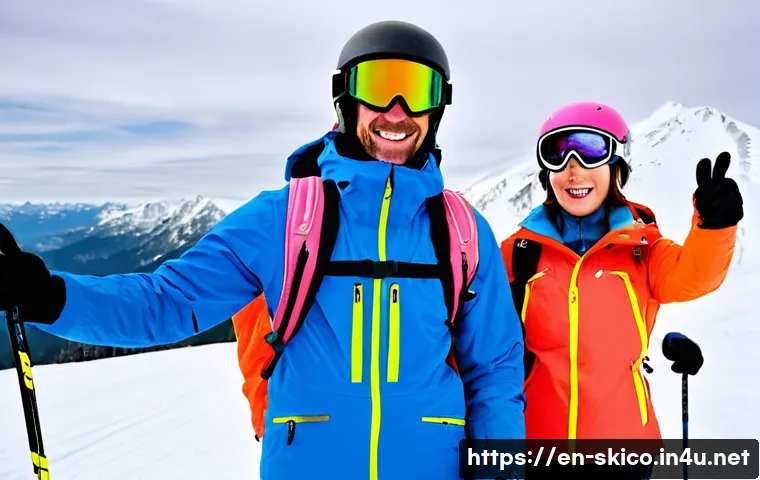
A truly effective ski instructor understands this deeply, moving beyond generic drills to craft an approach that resonates specifically with each individual.
It’s about building confidence, fostering a love for the sport, and seeing those ‘aha!’ moments thanks to a strategy designed just for them. Ready to elevate your coaching and transform how your clients experience the slopes?
Let’s uncover the most effective ways to develop personalized strategies.
Decoding Your Student’s Unique Learning Blueprint
You know, after years of teaching on the slopes, one thing has become crystal clear to me: no two skiers are ever truly alike. It’s a bit like being a detective, isn’t it? When a new student arrives, whether they’re a complete novice or someone looking to finally master those moguls, I see it as an exciting puzzle waiting to be solved. They bring with them a whole backstory – previous experiences, maybe a bad fall from childhood, or perhaps an almost superhuman level of athletic confidence. My job, and yours, isn’t just to demonstrate a snowplow; it’s to peel back those layers, understand their deepest motivations, and sometimes, more importantly, their biggest fears. I’ve found that taking the time to truly listen to their stories, to observe their initial movements, and even to just chat about their day can tell you more than any pre-assessment form ever could. It’s about seeing the person, not just the skier, and that’s where the magic of personalized instruction really begins to sparkle.
Uncovering Their ‘Why’ and Their Fears
Every student steps onto the snow with a ‘why.’ For some, it’s the thrill of speed, for others, it’s simply wanting to keep up with their grandkids. And just as potent as their motivation are their fears. I remember teaching a young man last season who was visibly terrified. Turns out, he’d had a nasty fall years ago and the memory had him locked up. Simply acknowledging that fear, telling him it was okay to feel it, and then breaking down tasks into tiny, conquerable steps, completely transformed his lesson. We focused on feeling stable and in control, not on speed. It’s about building trust, creating a safe space where they feel comfortable enough to be vulnerable. Asking open-ended questions like, “What are you hoping to achieve today?” or “What’s holding you back the most?” can provide invaluable insights into their mindset, allowing you to tailor your approach from the very first minute. Sometimes, it’s not about the technique; it’s about the psychology.
Identifying Their Learning Style (Visual, Auditory, Kinesthetic)
Just like we all have different personalities, we also have different ways of absorbing information. I’ve had students who need to see me do it ten times before they even try, others who want a detailed verbal explanation, and some who just need to ‘feel’ the movement. It’s fascinating to watch! You quickly learn to adapt your teaching cues. For my visual learners, I demonstrate clearly, maybe even draw in the snow. For auditory folks, I’m all about concise, descriptive language – “feel the pressure on the balls of your feet,” or “imagine painting an arc with your skis.” And for the kinesthetic learners, the ‘doers,’ it’s hands-on. I might physically guide their leg through a turn (with consent, of course!), or have them mimic the motion without skis first. Recognizing these styles early on helps prevent frustration and speeds up their learning curve immensely. It’s about speaking their learning language, rather than expecting them to understand yours.
Assessing Previous Experiences and Movement Patterns
Never underestimate the baggage, good or bad, that a student brings from past experiences. Someone who’s played a lot of hockey might have incredibly strong legs but struggle with parallel turns because they’re used to different edge angles. On the flip side, a gymnast might pick up balance concepts like lightning. I always start with a brief assessment, just watching them move, even if it’s just walking in their boots. How do they balance? What’s their natural posture? Are there any obvious asymmetries? I’ve found it incredibly helpful to gently inquire about their athletic background. “Have you tried other sports? What did you enjoy about them?” This isn’t just small talk; it’s diagnostic. It helps me connect new ski movements to familiar feelings in their body, making the learning process feel more intuitive and less alien. My goal is always to build upon their existing strengths, rather than trying to completely rewire their natural movement patterns.
| Learning Style | Characteristics | Effective Teaching Cues on Skis |
|---|---|---|
| Visual | Learns best by seeing; needs demonstrations, pictures, or mental imagery. | “Watch how I start my turn.” “Imagine a rainbow arc with your skis.” “See yourself leaning into the mountain.” |
| Auditory | Learns best by hearing; responds well to verbal instructions, explanations, and discussions. | “Listen for the scraping sound as you edge.” “Feel the pressure on your shins as I describe it.” “I want you to talk me through what you’re doing.” |
| Kinesthetic (Tactile) | Learns best by doing and feeling; needs hands-on experience, practice, and physical feedback. | “Feel your feet driving through the turn.” “Let’s physically guide your hips through this movement.” “Try this drill and focus on the sensation in your core.” |
Crafting Drills That Speak to Their Style
Once you’ve got a handle on who your student is and how they tick, the real fun begins: designing drills that feel tailor-made. This isn’t about pulling exercises randomly from a textbook; it’s about connecting the dots between their learning style, their goals, and the specific skill you’re trying to build. I’ve seen instructors get frustrated when a drill isn’t working, but often, it’s not the student’s fault, it’s just not the right drill for *them* right *now*. It might be too complex for a kinesthetic learner who needs simpler movements, or too abstract for a visual learner who needs a clear picture. My secret weapon? A massive mental toolkit of variations for every single fundamental skill. I always have a Plan A, B, and C for teaching something like parallel turns, ready to pivot as soon as I see a blank stare or a frustrated slouch. It’s about being agile and responsive, constantly reading the room, or in our case, the slope.
Tailoring Techniques for Individual Needs
Every individual’s body is a bit different, and what works for one person might feel incredibly awkward for another. I’ve had tall, lanky students who struggle with getting low, and shorter, stockier students who have power but lack finesse. Instead of forcing everyone into the same mold, I look for ways to adapt the technique to their physical attributes. For example, if someone has limited ankle flexibility, I might initially focus more on hip rotation to initiate turns, gradually working on ankle flexion as they gain confidence. It’s about finding the path of least resistance to success. I often ask, “How does that feel in your body?” Their answer is gold. If it feels unnatural or forced, we stop and find another way. My goal is always for them to move efficiently and comfortably, not just to look like a textbook example. Because let’s be honest, few of us look like Olympic skiers, but we can all ski with joy and control.
Beyond the Textbook: Creative Approaches to Common Challenges
Sometimes, the standard drills just don’t cut it. That’s when you have to get a little creative. I once had a student who couldn’t grasp the concept of leaning into the turn, always staying too upright. Instead of repeating the same verbal cues, I told him to imagine he was holding a tray of drinks and didn’t want to spill them as he turned. Suddenly, he clicked! Another time, a child was having trouble linking turns. We pretended her skis were a train on a track, and she had to keep the “cars” (her skis) together as she rounded the bends. It transformed her frustration into play. These little mental tricks and imaginative scenarios can unlock breakthroughs faster than any conventional drill. It’s about finding an analogy or a game that resonates with *their* world and helps them internalize the movement without overthinking it. This personalized touch not only makes learning more effective but also a whole lot more fun for both of us.
Making Every Practice Session Count
It’s not just about doing drills; it’s about doing them with purpose. I always make sure my students understand the ‘why’ behind each exercise. “We’re doing this drill to feel the edge grip more effectively,” or “This exercise will help you balance better over your outside ski.” When they understand the objective, they’re much more engaged and can self-correct more effectively. We’ll often start with a quick recap of what we’re trying to achieve, practice a few times, and then I’ll give immediate, specific feedback. “Great job with that turn, I saw you really pressing into your shins!” Or, “Next time, try to keep your hands a bit further forward.” We’ll also mix it up – short bursts of intense focus followed by free skiing to integrate the new skills. I believe in quality over quantity. Ten focused, purposeful repetitions are far more valuable than fifty mindless ones. It’s about making sure every minute on the snow is contributing directly to their progress and enjoyment.
The Art of Building Unshakeable Confidence on Snow
Confidence, especially in skiing, isn’t just a byproduct of skill; it’s a foundational element. I’ve seen countless students with decent technique completely freeze up on a slightly steeper pitch simply because their confidence wavered. My philosophy is that teaching skiing is as much about psychological coaching as it is about physical instruction. It’s a delicate dance of pushing boundaries while ensuring a strong sense of security. You’re essentially helping them rewire their brain, proving to themselves that they are capable of things they once thought impossible. This is where truly personalized instruction shines, because what builds confidence for one person—say, mastering a tricky turn—might actually intimidate another. Understanding that nuance and adapting your approach accordingly is what sets apart a good instructor from a truly exceptional one. I often think of myself as a confidence architect, carefully laying brick by brick of self-belief.
Celebrating Small Wins: The Power of Positive Reinforcement
There’s nothing quite like seeing a student’s face light up after they’ve nailed something they’ve been struggling with. That’s why I’m a huge believer in celebrating every single victory, no matter how small it seems. Did they manage to hold an edge for a second longer? Did they keep their upper body stiller in a turn? High five! A genuine “That’s it! You’ve got it!” can be more powerful than any technical correction. I make sure to specifically point out *what* they did well, not just that they did well. “Your balance on that turn was fantastic, notice how stable you felt?” This reinforces the correct movement and helps them replicate it. It’s not just about ego boosting; it’s about creating a positive feedback loop that encourages them to keep trying and to believe in their own ability to learn and improve. Positive reinforcement is the fuel for sustained effort and the secret sauce for rapid skill acquisition, in my experience.
Gradual Progression: From Comfort Zone to Challenge Zone
Pushing a student too far, too fast, is the quickest way to erode their confidence. On the other hand, never challenging them can lead to boredom and stagnation. The trick is to find that sweet spot: the ‘challenge zone.’ It’s that comfortable edge where they feel slightly stretched but never overwhelmed. For a beginner, this might mean starting on the flattest part of the bunny hill, then moving to a gentle slope, then perhaps a slightly longer one. For an intermediate, it could be taking them from perfectly groomed blues to a blue with a few bumps, or even just teaching them to manage varied snow conditions. I always communicate what we’re going to try next and ask how they feel about it. Their input is crucial. If I sense hesitation, we dial it back. If they’re eager, we might push a tiny bit further. This collaborative approach builds trust and ensures they always feel in control of their learning journey. It’s about making progress feel natural and achievable.
Overcoming Mental Blocks and Self-Doubt
Skiing isn’t just physical; it’s incredibly mental. Fear of falling, fear of speed, or even just the fear of looking foolish can create massive mental blocks. I’ve spent countless hours helping students navigate these internal battles. Often, it involves breaking down the intimidating task into its smallest, most manageable components. If someone is terrified of a steep pitch, we might start by just traversing it, then side-slipping down, then making a single turn, slowly building up. Visualization techniques can also be incredibly powerful. I’ll ask them to close their eyes and imagine successfully completing the movement, feeling stable and strong. Sometimes, it’s just about talking through their anxieties, validating their feelings, and reminding them of how far they’ve already come. My role shifts from instructor to motivator, to a calming presence, reminding them that every expert skier was once a nervous beginner. It’s about reminding them that falling is part of learning, not a sign of failure.
Navigating the Mountain: Adapting to Conditions and Fears
The mountain is a living, breathing entity, constantly changing. Fresh powder, icy patches, spring slush, moguls, crowded slopes – no two days are ever exactly alike, and neither are the challenges they present. As instructors, we can’t just teach in a vacuum of perfect, sunny, groomed conditions. We have to prepare our students for the reality of skiing, which means teaching them adaptability. This is where personalizing the lesson becomes even more critical. A timid beginner needs a very different approach to a surprise ice patch than an aggressive intermediate. My experience has taught me that simply throwing a student into challenging conditions without proper preparation can be detrimental, but shielding them completely prevents growth. It’s a delicate balance of exposure and preparation, always with an eye on their current skill level and, crucially, their emotional state. I always try to narrate what we’re encountering and why we’re adjusting, so they learn to ‘read’ the mountain for themselves.
Reading the Terrain: Adjusting Lessons for Different Slopes
One of the biggest differences between a generic lesson and a personalized one is how we use the terrain. For a student struggling with speed control, a long, gentle, wide-open slope is perfect for building confidence in traversing and basic turns. But for someone needing to work on carving, that same slope might not offer enough pitch. I’m constantly scanning ahead, looking for the perfect patch of snow, the ideal gradient, or even a small, gentle rise to work on specific elements. Sometimes, it’s about choosing a slightly steeper pitch to challenge their edge control, or a less crowded section to allow them more space to experiment. I’ve even used the side of the trail to work on side-slipping for recovery. It’s about leveraging the mountain’s natural features to create an ideal learning environment for whatever skill we’re focusing on. The mountain is our classroom, and we’re constantly rearranging the furniture.
Weathering the Storm: Teaching in Variable Conditions
Let’s face it, we can’t always have bluebird days. I’ve taught in blizzards, freezing rain, and whiteouts so thick you couldn’t see your hand in front of your face. These challenging conditions, while sometimes uncomfortable, offer invaluable learning opportunities. For a new skier, a slightly slushy day can actually be a blessing, as the snow slows them down naturally. For an intermediate, teaching them to handle an icy patch safely is a crucial life skill. My approach is always to first acknowledge the conditions and their feelings about them. “Okay, it’s a bit icy here, so we’re going to focus on very small, controlled movements and really press those edges.” We’ll slow everything down, simplify the movements, and focus on fundamental skills that help them regain control. It’s about empowering them with the tools to manage whatever Mother Nature throws their way, rather than letting the conditions dictate their experience. I’ve always found that overcoming a challenging weather day together really bonds you with a student.
Addressing Anxiety: Strategies for Calming Nerves
Anxiety on the slopes is real, and it can stem from anything: a fear of heights, the speed, the crowds, or even just the unfamiliarity of the equipment. I once had a student who got so overwhelmed in the lift line that she almost quit. My strategy? Slowing everything down, literally. We took deep breaths, focused on a single, tangible task – “just watch my skis as they load onto the chair.” For some, it’s about distraction, shifting their focus to something positive or engaging in light conversation. For others, it’s about giving them control, asking them where they feel comfortable going next. I also use a lot of positive self-talk and visualization. “You’re strong, you’ve got this, remember how well you did on that last run.” Sometimes, just taking a moment to stop, breathe, and appreciate the view can reset their mindset. It’s about creating a calm, supportive bubble for them, even amidst the chaos of a busy ski resort. Your presence and demeanor can be incredibly reassuring.
Fueling Progress: Effective Feedback and Goal Setting
Providing feedback isn’t just about pointing out what went wrong; it’s a finely tuned art that, when done correctly, can accelerate learning exponentially. I’ve learned that poorly delivered feedback can deflate a student’s confidence and actually hinder progress, while well-crafted feedback acts like rocket fuel. This is where personalizing your approach truly makes a difference. Some students thrive on direct, concise instructions, while others need a more gentle, encouraging tone. It’s about understanding their individual sensitivity and adapting your language accordingly. My ultimate goal with feedback is to empower the student to become their own best coach, to develop that internal sense of what feels right and what needs adjustment. It’s not just about me telling them what to do; it’s about helping them discover it for themselves. And honest, specific feedback, delivered with empathy, is the key to unlocking that self-awareness.
The Sandwich Method: Constructive Feedback That Lands
You know the ‘sandwich method,’ right? Start with something positive, then deliver the constructive criticism, and finish with another positive or an encouraging remark. It’s a classic for a reason. Instead of just saying, “Your turns were too wide,” I’d say, “Fantastic job keeping your upper body quiet through that section! Now, let’s try to make those turns a little more rounded by initiating with a stronger edge set. You’re almost there!” This approach makes the feedback feel less like a critique and more like a collaborative effort towards improvement. It keeps their morale high while still addressing areas that need work. I’ve personally found that students are much more receptive to feedback when they feel supported and acknowledged for their efforts. It prevents them from shutting down and keeps them engaged in the learning process, which is absolutely vital for sustained progress on the slopes.
Setting Realistic, Achievable Milestones
One of the biggest motivators for any student is seeing tangible progress. That’s why setting clear, realistic, and achievable goals for each session, or even for each run, is so important. For a beginner, a goal might be something as simple as making five controlled snowplow turns in a row. For an intermediate, it could be consistently linking parallel turns on a specific pitch. We discuss these goals together at the start of the lesson, and I make sure they understand what success looks like. I’ve noticed that when students have a clear target, their focus sharpens dramatically. And when they hit that target? The sense of accomplishment is incredible, which in turn fuels their motivation for the next challenge. It’s about breaking down the big, daunting goal of “skiing like a pro” into smaller, digestible chunks that feel conquerable, celebrating each step of the way.
Empowering Self-Correction and Discovery
The ultimate aim of personalized instruction, in my opinion, is to empower students to eventually teach themselves. I want them to develop that internal barometer that tells them when a turn felt good, why it felt good, and how to replicate it. Instead of immediately jumping in with a correction, I often start by asking, “How did that feel to you?” or “What do you think you could adjust in the next turn?” This encourages critical thinking and helps them connect the physical sensation with the outcome. Sometimes, I’ll even have them try different variations and compare the feeling. This process of self-discovery is incredibly powerful. When they figure something out on their own, it sticks much better than if I just spoon-fed them the answer. It builds a deeper understanding and ownership of their skiing technique, making them more adaptable and independent skiers in the long run. My goal is for them to not need me anymore, and paradoxically, that’s what makes them want to book another lesson!
Beyond the Basics: Igniting a Lifelong Passion
While mastering the fundamentals is undeniably crucial, true personalized instruction goes beyond just teaching someone how to turn and stop. It’s about kindling a deep, enduring love for the sport, for the mountains, and for the entire experience that skiing offers. I’ve always felt that my job isn’t done until I’ve inspired a student to see skiing as more than just a physical activity, but as a gateway to adventure, camaraderie, and a lifelong connection with nature. This involves broadening their horizons, exposing them to different facets of the sport, and encouraging them to explore beyond the lesson boundaries. It’s about planting the seeds of curiosity and excitement that will flourish long after our lesson ends. I truly believe that the best instructors don’t just teach skills; they share a passion, and that’s a legacy that lasts a lifetime on the slopes.
Exploring Advanced Techniques and Terrain
Once a student has a solid foundation and a good dose of confidence, it’s time to open up a whole new world of possibilities. This isn’t just about hitting black diamonds; it’s about introducing them to the sheer variety of skiing. Maybe it’s a playful run through some gentle glades, teaching them to navigate trees. Perhaps it’s a lesson on managing variable snow in the bumps, or even just mastering dynamic carving on a steeper groomer. I love seeing the excitement in their eyes when they realize they can actually tackle something they thought was only for the pros. We’ll discuss what excites them, what they’ve seen other skiers do that looks fun, and then we’ll break it down. It’s about expanding their repertoire and showing them that the learning never truly stops, and that there are endless new challenges and joys to discover on the mountain, tailored to their adventurous spirit.
Fostering Independence and Exploration
A sign of a truly successful personalized lesson isn’t just improved technique, but a newfound sense of independence and eagerness to explore. I encourage my students to venture out, perhaps with friends or family, and apply what they’ve learned in different settings. We might discuss safe practices for off-piste exploration, how to interpret trail maps, or even just the etiquette of sharing the slopes. I want them to feel confident enough to try new runs, to seek out new challenges, and to trust their own judgment. It’s about transitioning them from being reliant on an instructor to becoming self-sufficient, confident mountain explorers. I often tell them, “Go out there and discover your own favorite runs now! Experiment with what we’ve worked on.” That freedom, that sense of ownership, is a huge part of what makes skiing so incredibly addictive and rewarding, and it’s something I strive to instill in every single student.
Connecting Them to the Ski Community
Skiing is more than just a sport; it’s a vibrant, welcoming community. One of the best ways to foster a lifelong passion is to help students feel like they’re a part of that larger tribe. I often share tips about local ski clubs, upcoming events, or even just the best spots for après-ski. For younger students, I might talk about junior race leagues or freestyle programs. For adults, it could be connecting them with local groups that organize trips. The camaraderie, the shared stories in the lodge, the collective love for the snow – these are all powerful elements that keep people coming back year after year. It’s about showing them that skiing isn’t just a solitary pursuit but a social experience, full of opportunities to connect with like-minded individuals. After all, some of my best memories on the mountain aren’t just about the skiing itself, but about the incredible people I’ve shared those moments with, and I want my students to experience that joy too.
Wrapping Things Up
Well, what an incredible journey we’ve shared today, diving deep into the heart of what truly makes a difference on the slopes. For me, it always comes back to the magic of connection – understanding that each student brings their own unique story, hopes, and even anxieties to the mountain. It’s not just about teaching techniques; it’s about building bridges of trust, sparking a lifelong passion, and witnessing that glorious moment when everything clicks into place. Remember, every turn, every smile, and every little breakthrough is a testament to the power of personalized instruction and the joy of sharing this amazing sport we all love so much. Keep exploring, keep learning, and most importantly, keep that infectious enthusiasm alive! The mountain is calling, and there’s always a new adventure waiting just around the bend, filled with endless possibilities.
Useful Information to Know
1. Keep Your Knowledge Fresh: The world of skiing and teaching techniques is always evolving. Stay curious, attend workshops, watch advanced videos, and even try out new gear yourself. The more you learn, the more you have to offer your students and to enrich your own experience. It’s like adding new spices to your favorite recipe – it just makes everything better! It really does make a huge difference in staying ahead of the curve and making sure you’re providing the most relevant and engaging instruction possible, keeping things exciting for everyone involved.
2. Observe More, Talk Less (Sometimes): Before you jump in with instructions, take a moment to simply observe. Watch your student’s natural movements, their body language, and how they react to different situations. Often, their actions will tell you far more about their learning style and challenges than any words ever could. It’s like being a silent detective on the snow, gathering clues that inform your next move without even needing a word. This subtle approach can reveal so much about their underlying issues or strengths, allowing for a much more targeted approach.
3. Embrace the Unexpected: The mountain throws curveballs – sudden weather changes, unexpected crowds, or a student having an off day. Be flexible and ready to adapt your lesson plan on the fly. Sometimes the best lessons come from navigating these real-world challenges together, turning a potential setback into a triumph of adaptability and resilience. It’s all about teaching them to be adaptable mountain adventurers, ready for anything, which builds incredible confidence that extends far beyond the slopes into daily life.
4. Prioritize Fun and Safety Above All: While skill progression is important, never forget that skiing is, at its heart, about joy and exhilaration. Ensure your students feel safe, supported, and are having a genuinely good time. A positive experience breeds confidence and a desire to return, which is the ultimate goal for any instructor, in my humble opinion. A happy skier is a learning skier, and that’s a truth I’ve seen play out time and time again; enjoyment is truly the greatest motivator.
5. Connect Beyond the Lesson: Encourage your students to join local ski clubs, follow mountain safety guides, or explore online communities. Helping them connect with the broader ski culture fosters a deeper, more lasting passion for the sport. It’s like welcoming them into a family where everyone shares the same love for the slopes and the incredible experiences they offer. This community aspect often turns a casual interest into a lifelong passion, which is truly rewarding to witness as an instructor.
Key Takeaways
At the end of the day, teaching skiing, or really any skill, is a deeply human endeavor. It’s about more than just technique; it’s about connecting with individuals, understanding their unique needs, and inspiring confidence from within. Always remember to tailor your approach, celebrate every victory, and foster an environment where students feel safe to learn and grow. By embracing their learning blueprint, adapting to conditions, and providing thoughtful feedback, you’re not just creating skiers; you’re nurturing a lifelong love for the mountains. Keep it real, keep it personal, and watch the magic unfold on the snow as they discover their own incredible journey.
Frequently Asked Questions (FAQ) 📖
Q: How do I really figure out what makes each student tick on the slopes? It sometimes feels like everyone just wants to “ski better,” but that’s so vague!
A: This is such a great question, and honestly, it’s where the magic truly begins! My years on the snow have taught me that “ski better” means something completely different to everyone.
For some, it’s finally linking turns on a blue run without feeling out of control. For others, it’s about tackling moguls gracefully or even just getting on and off the lift without a wobble.
The key, I’ve found, is to become a detective. Before we even strap on skis, I spend a few minutes just chatting. I ask about their past experiences – good, bad, or non-existent.
“What’s your biggest fear out here today?” is a powerful one. You’d be surprised how many adults admit to a fear of falling, or even looking silly. And it’s not just words!
I watch them warm up. Are they hesitant? Overly aggressive?
Do they shy away from steeper pitches or are they eager to try anything? These observations, combined with their verbal cues, paint a pretty clear picture.
Remember, it’s not about your definition of “better,” but theirs. When you tap into that, you’ve unlocked their motivation, and that’s priceless.
Q: I try to personalize, but sometimes I feel like I’m just winging it, or worse, making the same mistakes. What are some common traps instructors fall into when trying to tailor lessons, and how can I genuinely avoid them?
A: Oh, I’ve definitely been there! It’s easy to fall into habits, especially when you’re busy. One of the biggest pitfalls I see, and have caught myself doing, is assuming I know what’s best without truly listening or observing.
We instructors often have a “go-to” drill or a favorite progression, and we might subconsciously try to fit every student into that mold. Another trap?
Overcomplicating things. Sometimes, in an effort to show off our expertise, we pile on too many instructions or drills, overwhelming the student. Think about it: when you’re learning something new, less is often more.
The antidote? Constant feedback loops. Regularly check in: “How does that feel?” “Is this making sense?” “What are you hoping to achieve with this next run?” And here’s a big one I learned: don’t be afraid to scrap a plan that isn’t working.
If a student isn’t ‘getting’ a drill after a few tries, don’t just push harder. Pivot! Try a different analogy, a different terrain, or even just a moment to breathe and reset.
My experience tells me flexibility is your superpower on the snow.
Q: Beyond just teaching technique, how can I really help my students build lasting confidence and genuinely fall in love with skiing, even when they hit a plateau or have a frustrating day?
A: This question hits home because it’s at the core of what makes a great instructor. Technical skills are essential, sure, but the emotional connection to the sport?
That’s what keeps them coming back! I’ve found that celebrating small victories is HUGE. Did they finally make one decent turn?
High-fives all around! Did they get up after a fall without losing their temper? Acknowledge that resilience.
It builds their mental game. Another trick I swear by is shifting focus from “perfect” to “progress.” On frustrating days, I’ll often take a step back from intense drills.
Maybe we just cruise a really easy green run, focusing on the joy of gliding, the fresh air, the beautiful mountain views. Sometimes, a change of scenery or a brief break for hot chocolate can reset their mindset completely.
My philosophy is this: if they leave the lesson feeling good about themselves and their effort, even if they didn’t master a new technique, they’ll want to return.
That positive feeling, that sense of achievement, is far more powerful than any perfectly executed turn in fostering a lifelong love for skiing.