Alright, buckle up, buttercups! So, you’re thinking of hitting the slopes and want to actually, like, *improve* this season? Forget those YouTube tutorials where everything looks effortlessly graceful (spoiler alert: it’s not!).
Having spent years watching people flail (and, okay, sometimes flailing myself!), I’ve learned that real progress comes from understanding the nitty-gritty details that instructors dish out in person.
Things like tweaking your stance for better edge control or mastering that perfect pole plant for a smoother turn – the stuff that makes all the difference between “controlled descent” and “out-of-control tumble.”These aren’t just about technique; it’s about building confidence and enjoying the mountain more.
Plus, with the ever-evolving ski tech and changing snow conditions thanks to, well, you know (climate change, ugh!), even seasoned skiers need to stay updated.
It’s all about adjusting to these shifts and using the latest knowledge to your advantage – something a good instructor will always bring to the table.
Let’s dive into the practical tips from seasoned ski instructors!
Alright, let’s get those ski legs prepped and ready to carve!
Master the Stance: Your Foundation for Everything
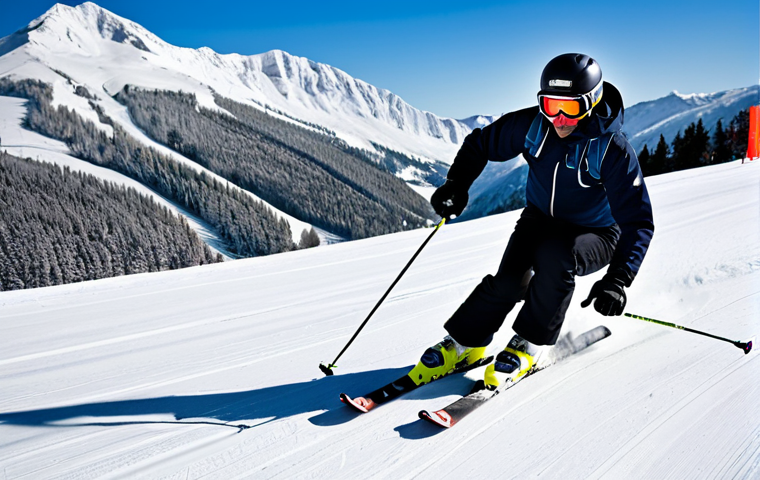
Your stance is like the foundation of a house. If it’s wobbly, everything else will be too. I cannot emphasize enough how crucial this is.
I’ve seen countless skiers struggle unnecessarily because they haven’t nailed the fundamentals. It’s not just about looking cool; it’s about control, balance, and injury prevention.
1. The Athletic Stance: Ready for Anything
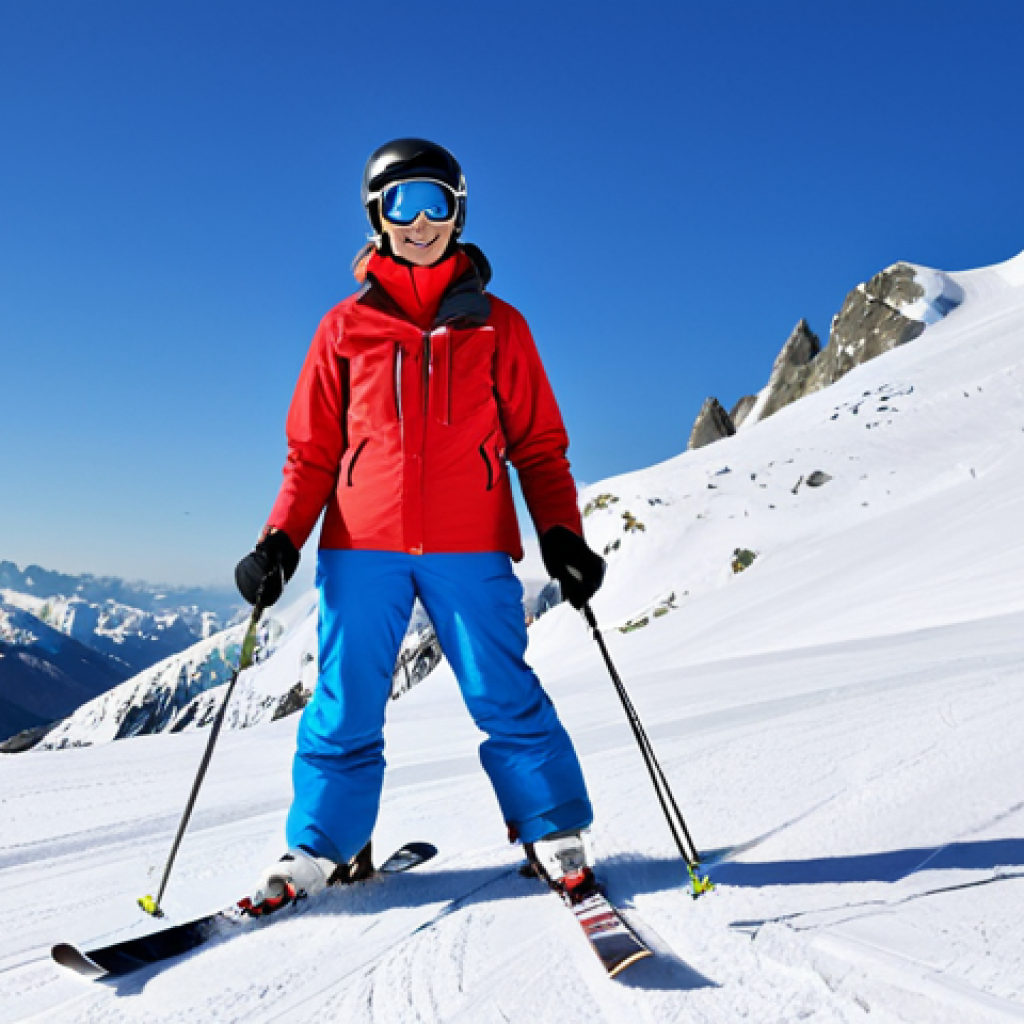
Think of yourself as a coiled spring, ready to react. Knees slightly bent (not too much – you don’t want to tire yourself out!), hips pushed forward, and back straight.
This “ready position” allows you to absorb bumps and react quickly to changing terrain. Imagine you’re about to jump, that’s the kind of athletic preparedness we are talking about.
Experimenting with different degrees of knee bend on gentler slopes will let you find that sweet spot for optimal balance and responsiveness.
2. Weight Distribution: Feel the Pressure
Most beginners tend to lean back, which puts them in a very vulnerable position. You want your weight centered over your skis, or even slightly forward.
A simple trick is to imagine a plumb line dropping from your ear, down through your shoulder, hip, and landing just in front of your ankle bone. Feeling the pressure on the front of your boots will give you more control.
3. Arm Position: Finding Your Balance
Your arms are your balancing tools. Keep them out in front of you, slightly bent, as if you’re holding a tray. This helps with your overall balance and allows you to initiate turns more effectively.
And for goodness’ sake, don’t let them flail around wildly! Think controlled and purposeful.
Edge Control: Your Secret Weapon
Edge control is where the magic happens. It’s the ability to use the edges of your skis to carve turns and maintain control on the slopes. It’s not about brute force; it’s about finesse and understanding how to engage your edges effectively.
1. Angulation: Lean Into It
Angulation is the key to engaging your edges. It involves tilting your body from the ankles, knees, and hips towards the inside of the turn. This allows you to put the ski on edge and carve a clean turn.
Start with small angulations on gentle slopes and gradually increase the angle as you become more comfortable. Think of it as a graceful lean, not an awkward lurch.
2. Pressure Control: Managing the Forces
As you carve a turn, you’ll feel the pressure building on the outside ski. This is where your stance comes into play. Maintain that athletic stance and keep your weight centered over the ski.
You can also experiment with shifting your weight slightly forward or backward to fine-tune your edge control.
3. Timing: Finding the Rhythm
Edge control is all about timing. You need to engage your edges at the right moment in the turn to maintain control and carve a clean line. This takes practice and feel, but it’s well worth the effort.
Start by practicing short, controlled turns on gentle slopes. Pay attention to how your skis feel as you engage the edges and adjust your technique accordingly.
Pole Planting: More Than Just a Tap
Pole planting is often overlooked, but it’s an essential part of skiing technique. It helps with rhythm, balance, and initiating turns. It’s not just a decorative tap – it’s an active movement that can significantly improve your skiing.
1. Timing and Placement: Get It Right
The key to effective pole planting is timing and placement. You want to plant your pole just before you initiate the turn, on the downhill side of your body.
This helps with rhythm and balance, and also provides a visual cue for the next turn. Practicing on flatter terrain will allow you to develop that timing.
2. The Wrist Flick: It’s All in the Wrist
The pole plant should be a quick, controlled flick of the wrist, not a full-arm swing. This allows you to maintain your balance and avoid disrupting your upper body position.
Think of it as a gentle tap, not a forceful jab.
3. Using the Pole for Support: Lean On It (Slightly!)
In certain situations, you can use the pole plant for additional support. For example, on steeper terrain or in challenging snow conditions, you can lean slightly on the pole to help maintain your balance and control.
Just be careful not to rely on it too much, as this can throw off your technique.
Terrain Awareness: Reading the Mountain
Skiing isn’t just about technique; it’s also about awareness. You need to be able to read the terrain, anticipate changes in snow conditions, and adjust your technique accordingly.
It’s like driving a car – you need to be aware of what’s around you to avoid accidents.
1. Identifying Hazards: Stay Safe
Before you start skiing, take a moment to scan the terrain for potential hazards. Look out for icy patches, rocks, trees, and other skiers. Pay attention to the slope angle and the overall conditions of the snow.
2. Choosing Your Line: Plan Ahead
Once you’ve assessed the terrain, choose your line carefully. Consider your skill level, the snow conditions, and the presence of other skiers. Avoid skiing in areas that are too steep or too crowded.
3. Adapting to Changing Conditions: Be Flexible
Snow conditions can change rapidly, so it’s important to be adaptable. If the snow becomes icy, adjust your edge angle and slow down. If the snow becomes deep and powdery, widen your stance and lean back slightly.
Being able to adapt to changing conditions is a key skill for any skier.
Fine-Tuning Your Gear: The Right Tool for the Job
Having the right gear can make a world of difference. It’s not just about looking good; it’s about having equipment that fits properly, performs well, and allows you to ski to your full potential.
1. Boot Fit: The Foundation of Comfort
Your boots are the most important piece of equipment. Make sure they fit snugly and comfortably. Go to a reputable ski shop and have a professional boot fitter help you find the right size and model.
Avoid boots that are too big or too small, as this can lead to discomfort and performance issues.
2. Ski Selection: Matching Your Style
Choosing the right skis depends on your skill level, the type of terrain you like to ski, and your personal preferences. Shorter skis are generally easier to turn, while longer skis provide more stability at higher speeds.
Wider skis are better for powder, while narrower skis are better for groomed runs.
3. Binding Adjustment: Safety First
Your bindings should be properly adjusted to your weight, height, and skill level. This ensures that they will release properly in the event of a fall, reducing the risk of injury.
Have a qualified technician adjust your bindings for you. Here’s a table summarizing key gear considerations:
| Gear | Considerations | Tips |
|---|---|---|
| Boots | Fit, Comfort, Flex | Get professionally fitted. Try on multiple pairs. |
| Skis | Length, Width, Sidecut | Match to skill level and terrain preference. |
| Bindings | Release Setting, Compatibility | Have professionally adjusted. Ensure compatibility with boots. |
| Poles | Length, Grip | Elbows at 90 degrees when holding poles upright. |
Mental Game: Confidence is Key
Skiing is as much a mental game as it is a physical one. Confidence is key to pushing your limits and improving your skills. It’s about believing in yourself and trusting your abilities.
I’ve seen skiers who were physically capable of tackling challenging terrain hold themselves back due to fear and self-doubt.
1. Visualization: See Yourself Succeed
Before you hit the slopes, take a few minutes to visualize yourself skiing successfully. Imagine yourself carving clean turns, navigating challenging terrain, and feeling confident and in control.
This can help boost your confidence and reduce anxiety.
2. Positive Self-Talk: Be Your Own Cheerleader
Replace negative thoughts with positive affirmations. Instead of saying “I can’t do this,” say “I can do this, I just need to take it one step at a time.” Positive self-talk can help you overcome fear and build confidence.
3. Focus on the Process: Enjoy the Ride
Don’t get too caught up in the outcome. Focus on the process of skiing and enjoy the ride. Pay attention to your technique, your surroundings, and the overall experience.
This will help you stay present and in the moment, which can improve your performance and reduce stress. Here are a few more tips to help you conquer the slopes:
Wrapping Up
So, there you have it – a comprehensive guide to improving your skiing technique! Remember, it’s all about practice, patience, and a positive attitude. Don’t be afraid to push your limits, but always prioritize safety. And most importantly, have fun out there! See you on the slopes!
Embrace the learning process, laugh at your tumbles (we all have them!), and celebrate the small victories. Skiing is a journey, not a destination, so enjoy every moment of it. Now go out there and make some unforgettable memories on the mountain!
Good to Know Information
1. Always check the weather forecast before heading out to the slopes. Conditions can change rapidly in the mountains, so it’s important to be prepared.
2. Stay hydrated throughout the day. Dehydration can lead to fatigue and decreased performance, so drink plenty of water or sports drinks.
3. Wear sunscreen, even on cloudy days. The sun’s rays are stronger at higher altitudes, so it’s important to protect your skin.
4. Take breaks when you need them. Skiing can be physically demanding, so don’t push yourself too hard. Stop for a rest and refuel when you start to feel tired.
5. Be aware of your surroundings and respect other skiers. Follow the skier’s responsibility code and be mindful of your speed and control.
Key Takeaways
Stance: Maintain an athletic stance with bent knees, centered weight, and balanced arms.
Edge Control: Angulate your body to engage the edges of your skis and carve turns.
Pole Planting: Use pole planting for rhythm, balance, and initiating turns.
Terrain Awareness: Read the terrain, identify hazards, and adapt to changing conditions.
Gear: Ensure your boots fit properly, choose the right skis, and adjust your bindings for safety.
Mental Game: Visualize success, use positive self-talk, and focus on the process.
Frequently Asked Questions (FAQ) 📖
Q: I’m an intermediate skier who feels like I’ve plateaued. I can get down most runs, but I want to improve my technique and tackle more challenging terrain. What’s the single most important tip a ski instructor would give me?
A: Okay, picture this: you’re cruising down a blue run, feeling pretty good about yourself, right? But that little voice in your head is saying, “Is this it?” My instructor used to yell (affectionately, I think!), “Get forward, get athletic!” It’s about actively shifting your weight forward into your boots.
Most intermediate skiers sit back a little, which kills your edge control and makes you a passenger instead of a driver. Engaging those shin muscles and feeling the pressure on the front of your boots will unlock a whole new level of control and confidence, especially when you start hitting black diamonds.
Honestly, it’s a game-changer.
Q: I’m heading to Vail next month, and I’m terrified of icy conditions. I’ve heard ski instructors have some secret tricks for dealing with ice. What’s the best way to stay in control when the slopes are slick?
A: Vail can definitely get icy, especially in the mornings! Forget those dramatic movie scenes of people sliding uncontrollably; a good instructor will drill into you the importance of edge angle.
Think of it like this: the sharper the angle your skis are to the snow, the better your grip. On ice, you need to really commit to carving a clean, precise turn and avoid skidding.
Don’t be shy about using your edges – even if it feels aggressive at first. Little, quick adjustments are key. Also, getting your skis sharpened professionally before you go is always a smart move; dull edges are your worst enemy on ice!
And hey, if it’s truly a skating rink out there, there’s no shame in taking a hot chocolate break!
Q: I’m planning on taking a lesson with a ski instructor this season. What are some things I should consider when choosing an instructor, and how can I make the most of my lesson?
A: Choosing the right instructor is like finding the perfect barista – it makes all the difference to your experience! Don’t be afraid to ask questions beforehand.
Find out their experience level, what kind of skiing they specialize in (e.g., freestyle, backcountry), and whether they’ve worked with skiers of your ability level before.
Once you’re in the lesson, be super clear about your goals. Do you want to conquer moguls? Improve your carving technique?
Or just not fall as much? The more specific you are, the better the instructor can tailor the lesson to your needs. And most importantly, don’t be afraid to ask questions!
There’s no such thing as a stupid question when you’re trying to improve. Oh, and remember to tip your instructor – it’s like saying “thanks for making me slightly less terrified of this mountain!”
📚 References
Wikipedia Encyclopedia
구글 검색 결과
구글 검색 결과
구글 검색 결과
구글 검색 결과
구글 검색 결과