Ski instructors can support resort operations most effectively in guest-facing, time-sensitive areas such as beginner-zone guidance, lesson check-in, and cross-team communication.
They should not be used as a substitute for specialist staff when a task requires separate authorization, formal safety responsibility, or dedicated back-of-house coverage.
For resort managers, the practical choice is usually a mix of limited instructor support shifts, seasonal operations staff, and ski school scheduling software.
The right mix depends on lesson demand, terrain layout, staffing capacity, and peak-period pressure. Comparing these options early can help protect lesson quality while improving the guest experience.
At a Glance
- Ski instructors can add value where guest guidance, lesson flow, and beginner-area awareness overlap.
- Instructor support works best with clear shift boundaries and should not replace trained specialist roles.
- Compare staffing capacity, scheduling software, and service coverage before expanding an operational support model.
| Support Model | Best Fit | Main Advantage | Key Consideration |
|---|---|---|---|
| Instructors on limited support shifts | Busy lesson windows and beginner areas | Strong guest knowledge and on-snow communication | Must not reduce teaching quality or create unclear responsibilities |
| Dedicated seasonal operations staff | Resorts needing consistent operational coverage | Clearer role focus and dependable shift coverage | Requires recruitment, training, supervision, and seasonal staffing planning |
| Ski school scheduling software | Resorts managing multiple lessons, groups, or changing capacity | Better visibility of bookings, instructors, and lesson availability | Needs staff adoption, process setup, and ongoing management |
Where Instructor Expertise Adds Operational Value
Three Quick Takeaways for Resort Managers
Instructors already understand how first-time guests move through a ski day: arrival, equipment rental, meeting points, lesson groups, beginner terrain, and the next step after a lesson. That knowledge can make them useful operational partners during high-contact moments. The strongest model is usually limited, clearly defined support, not an open-ended expectation that instructors solve every resort issue. Keep teaching assignments, guest support duties, and escalation paths visible to everyone involved.
Guest-Facing Support Versus Back-of-House Responsibilities
Instructor-led support is generally most natural when it improves the guest journey. Examples include directing guests to the correct lesson meeting area, helping clarify group placement, or sharing a timely update with the ski school desk. Back-of-house work may require a different skill set, separate system access, or dedicated accountability. A resort should define which tasks instructors may handle, which require supervision, and which remain with operations, lift, ticketing, rental, or safety teams.
Why Beginner Zones and Peak Periods Often Benefit Most
Beginner areas can involve guests who are unfamiliar with equipment, slope access, lesson procedures, and resort terminology. An instructor can often recognize confusion before it becomes a longer service issue. Peak holiday periods may also create rapid changes in lesson demand and guest flow. However, increased demand is not a reason to expand duties without preparation. Role clarity and escalation procedures matter more when the resort is busiest.
Comparing Support Models for Ski School Operations
Instructors Taking Limited Operational Shifts
This approach can suit resorts that need flexible support around lesson start times, group changes, or beginner-area congestion. The benefit is context: instructors understand lesson products and can communicate in simple, reassuring terms. The trade-off is availability. If extra duties pull instructors away from preparation, teaching, or recovery time, the overall ski school experience may suffer. Use defined time blocks rather than assuming instructors are available whenever a gap appears.
Hiring Dedicated Seasonal Operations Staff
Dedicated seasonal staff can provide more stable coverage for check-in support, guest direction, coordination, and routine communications. This may be useful when operational demand is consistent throughout the day or across a season. The resort still needs a structured onboarding process, clear supervision, and reliable handoffs with ski school management. Seasonal staffing is not automatically the better option; it should be compared against the actual coverage required and the training effort involved.
Using Scheduling and Guest-Management Software
Ski school scheduling software can help teams view lesson capacity, instructor allocation, booking changes, and group organization in one operating process. It may reduce the need for manual updates when demand changes, but it does not remove the need for trained people on the ground. Before selecting a platform, review whether it supports the resort’s booking workflow, staff permissions, reporting needs, and communication practices. Ask vendors to explain the operational setup and service coverage available for seasonal teams.
Cost, Coverage, Training Time, and Service-Quality Comparison
A useful comparison goes beyond labor cost. Consider coverage timing, training requirements, supervision needs, service consistency, and impact on lesson delivery. Instructors may offer strong guest-facing support during defined windows. Seasonal staff may offer steadier coverage. Software may improve visibility and coordination. In many cases, a combined approach is more practical than relying on one solution for every operational problem.
Practical Tasks Instructors Can Support Safely
Greeting and Directing First-Time Guests
Instructors can help guests understand where to meet, what to bring to a lesson, and how to move toward the appropriate beginner area. Short, direct guidance is especially helpful for guests who may feel rushed or uncertain. The goal is not to provide every answer personally; it is to direct the guest to the correct next step and prevent avoidable confusion.
Lesson Check-In, Grouping, and Capacity Updates
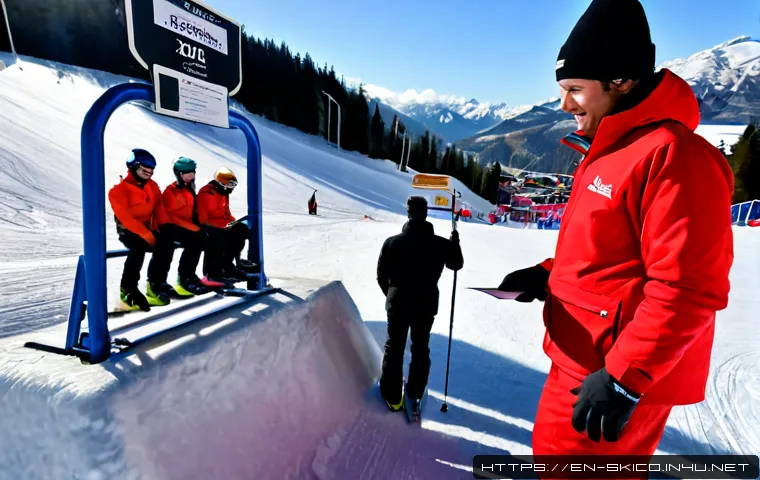
Where resort policy allows, instructors may support check-in flow by confirming meeting locations, assisting with visible group organization, and relaying capacity changes to the appropriate ski school contact. A clear process is essential. Instructors should know who makes final placement decisions, how changes are documented, and when a guest concern must be handed to a designated manager or desk team.
Beginner-Area Observation and Escalation Procedures
Instructors are often well positioned to notice when a beginner guest appears lost, overwhelmed, or separated from the expected lesson flow. Their role should focus on observation, communication, and prompt escalation through the resort’s approved process. Safety responsibilities, incident reporting, and authority limits must follow written resort policies and applicable local requirements. Do not assume that teaching experience alone authorizes an instructor to take on every safety-related task.
Communication Between Lift, Rental, Ticketing, and Ski School Teams
Guest service improves when departments share useful, timely information. Instructors can help communicate a lesson meeting-point issue, a recurring guest question, or a change affecting beginner groups. This works best when teams use agreed channels and concise handoff language. Informal messages can be useful, but important operational updates should follow the resort’s established communication process.
Implementation Steps and Common Mistakes to Avoid
Define Responsibilities Before Assigning Extra Duties

Start with a written task list. Identify what instructors can support, when they are expected to do it, who supervises the work, and what requires escalation. This reduces confusion for both staff and guests. It also helps managers distinguish between a temporary guest-flow role and a responsibility that belongs to a dedicated operations position.
Build Shift Coverage Without Reducing Lesson Quality
Lesson quality remains the core function of the ski school. Avoid assigning support work in a way that leaves instructors rushed, unavailable for scheduled groups, or unclear about their priorities. Review support shifts alongside lesson schedules rather than treating them as separate staffing plans. If coverage gaps remain, compare additional seasonal staffing or scheduling tools instead of stretching instructors beyond a workable role.
Train for Handoffs, Incident Reporting, and Guest Communication
Operational support requires more than local knowledge. Staff need to understand handoffs, reporting expectations, guest communication standards, and escalation contacts. Training should cover realistic situations, such as a guest arriving at the wrong meeting point or a group needing an operational update. Keep messages simple and make sure staff know when to stop and refer the matter to the authorized team.
Avoid Asking Instructors to Perform Roles Outside Their Authorization or Training
This is the most important boundary. Certifications, insurance requirements, labor rules, employment terms, and safety responsibilities can vary by region and resort. Confirm what is permitted under the resort’s written policies and applicable requirements before assigning new duties. A helpful instructor should never be placed in a role that creates uncertainty about authority, accountability, or guest safety.
Choosing the Right Support Mix for Your Resort
Small Independent Resorts With Limited Headcount
A smaller resort may benefit from flexible instructor support because teams often work closely across guest touchpoints. Focus on a narrow set of tasks, such as first-time guest direction and ski school communication. Keep the model simple. A small team can lose efficiency quickly if every staff member is expected to cover every function without defined priorities.
Destination Resorts Managing Holiday Demand
Destination resorts may face concentrated demand during holiday periods, when guest questions, lesson changes, and beginner-area traffic increase at the same time. A stronger mix may include scheduled instructor support windows, dedicated seasonal operations coverage, and ski school management software for visibility. The central question is whether the system continues to work when conditions change quickly, not just when the schedule is normal.
Resorts Expanding Beginner Programs or Group Lessons
Growth in beginner programs can create pressure at check-in, meeting zones, rental coordination, and group placement. Instructors can provide valuable insight because they see where guests hesitate or misunderstand instructions. Use that insight to improve signs, pre-arrival messages, meeting-point procedures, and scheduling workflows. Operational support should improve the program structure, not become a permanent workaround for an unclear process.
When an External Staffing Provider May Be Worth Comparing
An external staffing provider may be worth comparing when the resort needs broader seasonal coverage than its instructor team can reasonably provide. Review the provider’s role definitions, training approach, supervision model, availability, and coordination process with existing departments. The right question is not whether outside support is better in every case, but whether it delivers the required service coverage without weakening internal accountability.
Selection Criteria and Comparison Summary
Before committing, assess guest volume, lesson demand, terrain complexity, beginner-area pressure, available supervision, and budget flexibility. Compare labor needs with scheduling software setup, staff training, and the level of service coverage required across the day. Define measurable service targets for a pilot period, such as smoother lesson check-in or faster internal handoffs, without assuming a specific financial outcome. Compare staffing capacity, software costs, and service coverage before committing. For vendor options or staffing support, review official service descriptions and detailed operating conditions on the relevant provider page.
In Closing
Ski instructors can strengthen resort operations when their on-snow knowledge is used in the right places. Their greatest value is often at the point where guest questions, lesson flow, and beginner confidence meet. Clear boundaries protect both instructors and guests. A small pilot, supported by written responsibilities and practical communication training, can help a resort decide what should scale.
Useful Information to Keep in Mind
1. Match support duties to the instructor’s actual training and authorization.
2. Schedule operational shifts around lesson commitments, not against them.
3. Use guest feedback and staff observations to identify recurring friction points.
4. Treat scheduling software as a coordination tool, not a replacement for trained service staff.
Important Considerations
Actual instructor duties, pay structures, certifications, insurance requirements, and labor rules vary by resort, employment contract, region, and local regulations. The operational and financial effect of instructor support also depends on resort size, snowfall, terrain layout, guest volume, and scheduling practices. Confirm safety responsibilities, escalation rules, and role limits through the resort’s written policies and applicable local requirements.
Frequently Asked Questions
Q1. Can ski instructors help with resort operations when they are not teaching lessons?
A1. Yes, they may be able to support guest-facing tasks such as directing first-time guests, helping lesson flow, and communicating updates between teams. Their duties should be clearly defined and consistent with resort policy, training, and authorization requirements.
Q2. Is it more cost-effective to use instructors for support shifts or hire dedicated seasonal staff?
A2. There is no universal answer. Instructors may be useful for limited, high-value support periods, while dedicated seasonal staff may provide more consistent coverage. Compare staffing capacity, training needs, scheduling demands, software costs, and required service coverage before committing.
Q3. Which operational tasks should not be assigned to ski instructors without specific training or authorization?
A3. Instructors should not be assigned tasks that fall outside their documented training, employment role, resort policy, or authorized safety responsibility. Confirm escalation procedures, incident reporting duties, access permissions, and any local requirements before expanding operational assignments.