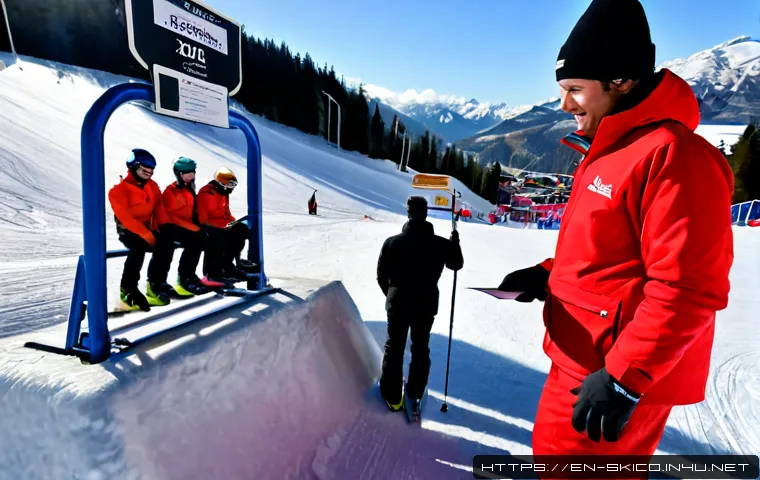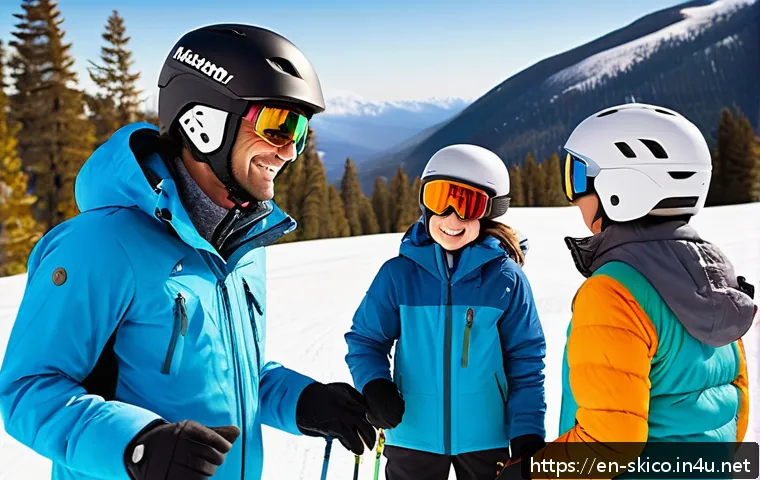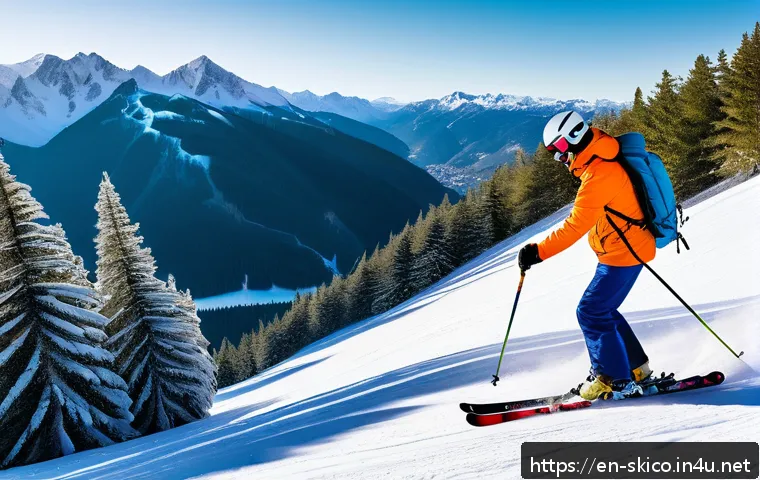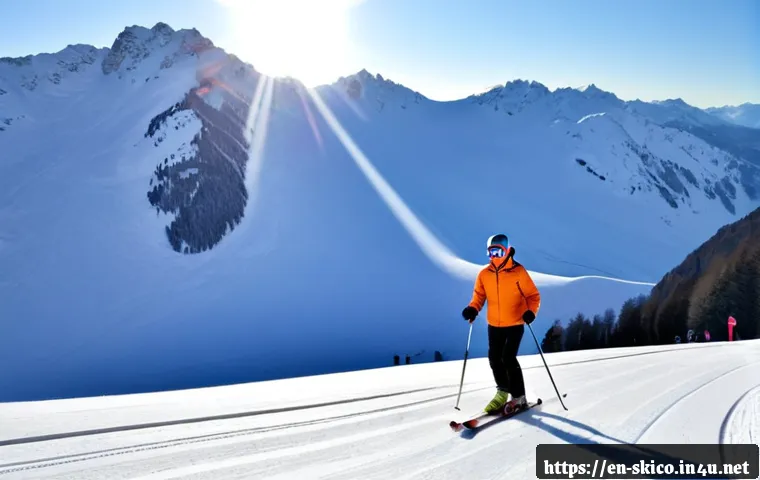
You do not need to memorize ski jargon before a lesson, but understanding a few core terms makes instructor feedback much easier to use. Focus first on direction, speed control, balance, and how your skis move through a turn.
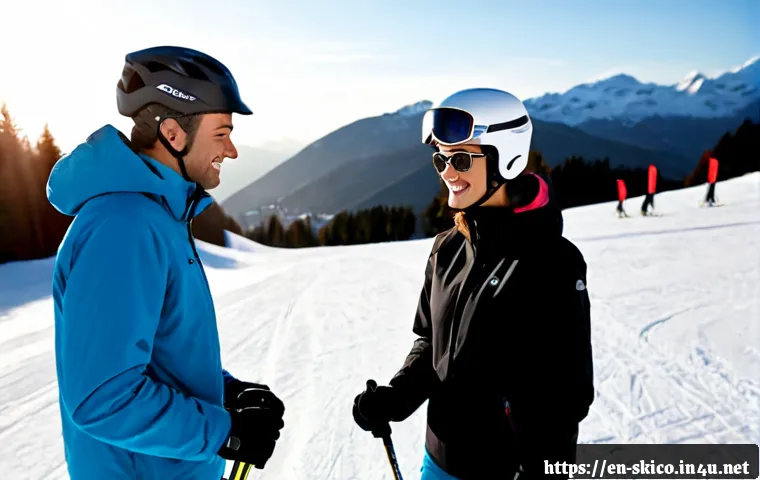
Terms such as fall line , wedge , parallel , and edging describe practical actions you will use on snow. If you are choosing between a group, semi-private, or private ski lesson, the best option depends on the feedback you need, your confidence level, and your budget.
Private coaching can be useful when you want more individual feedback, while a well-matched group lesson may be enough for many beginners. Before booking, compare lesson length, ability grouping, class size, and equipment-fitting options.
At a Glance
- Before a first lesson: understand fall line, traverse, wedge, and stopping or speed-control cues.
- For developing skiers: learn how parallel skiing, edging, pressure, and turn shape work together.
- For lesson value: private coaching may suit skiers who need focused feedback; compare class size, lesson length, and equipment needs first.
| Lesson Format | Typical Benefit | May Suit | Questions to Ask Before Booking |
|---|---|---|---|
| Group lesson | Shared instruction and a chance to learn alongside skiers at a similar level. | Beginners or developing skiers comfortable learning in a group setting. | How are ability levels grouped? What is the lesson length? What equipment is needed? |
| Semi-private lesson | Can offer more direct feedback while sharing the lesson arrangement with others. | Skiers who want a more personal format without booking alone. | Who can join the lesson? How is time divided? Are participants expected to have similar ability? |
| Private lesson | Feedback can stay focused on your own movements, goals, and confidence needs. | Skiers who want individual attention or have a specific skill to work on. | What is included in the private ski lesson pricing? Can the instructor help assess the right terrain and equipment setup? |
The Ski Terms You Need Before Your First or Next Lesson
Quick answer: focus on direction, speed control, balance, and turn shape
The most useful ski instruction terms are not complicated. They tell you where to travel, how to manage speed, and how your skis should interact with the snow. When an instructor mentions the fall line, they are talking about the direct downhill path. When they ask for a traverse, they want you to ski across the slope rather than directly down it.
Try not to treat every cue as a large correction. A small change in direction, balance, or ski angle can be enough. If a phrase is unclear, ask the instructor to demonstrate it or describe what you should feel.
A fast-reference table for the most common instructor cues
| Term | Plain-English Meaning | What to Focus On |
|---|---|---|
| Fall line | The most direct downhill path a skier or ball would follow. | Notice when your skis point more directly downhill. |
| Traverse | Skiing across the slope instead of directly down it. | Use the width of the slope with awareness of other skiers and your direction. |
| Wedge | Ski tips are closer together and tails are farther apart; it is also called a snowplow. | Use the shape to help manage speed and direction. |
| Parallel | Both skis travel generally side by side through a turn. | Let the skis match rather than forcing them together abruptly. |
| Edging | Tipping skis onto their edges to grip snow and shape a turn. | Think about ski angle and grip, not simply leaning inward. |
| Side-slip | A controlled sideways slide down the slope. | Use it as a speed-control and skill-development exercise when instructed. |
Why the same term may be taught slightly differently at different resorts
Ski terminology and teaching progressions can vary between ski schools, countries, and instructor-certification systems. One instructor may use a short cue, while another may explain the same movement in more detail. The useful question is not whether every word matches a video or a previous lesson; it is whether you understand the movement your instructor wants you to try.
Movement and Terrain Vocabulary Explained in Plain English
Fall line, traverse, and the downhill ski
The fall line is the slope’s most direct downhill route. A traverse moves across that route, which can give you more time to manage direction and speed. You may also hear an instructor refer to the ski on the downhill side of your stance. If that cue feels confusing, pause and identify which way the slope falls before attempting the movement.
Wedge, parallel, and matching skis
A wedge uses tips closer together and tails farther apart. It is commonly used to help manage speed and direction. In parallel skiing, both skis travel generally side by side through the turn. These are not labels you need to force yourself into; they describe how the skis are moving at a given moment.
A common mistake is trying to make skis perfectly parallel before you have enough control of direction and speed. Let your instructor decide which progression fits the terrain, conditions, and your current skills.
Edging, pressure, rotation, and balance
Edging means tipping skis onto their edges to grip snow and shape a turn. Pressure is often used as a coaching word for how you work with the skis against the snow. Rotation may describe how your legs and skis turn. Through all of these cues, aim for balanced pressure over the skis rather than a dramatic lean in one direction.
Good instruction often starts with a manageable movement. Ask what part of your body should move first and what sensation the instructor wants you to notice.
Carving, skidding, and side-slipping
Carving happens when ski edges cut a clean, curved track with limited sideways skidding. Skidding is more sideways movement through part of a turn. Neither word should be treated as a judgment by itself: the instructor may use different turn shapes for different learning goals. A side-slip is a controlled sideways slide and is commonly used for speed control and skill development.
How to Interpret Instructor Cues Without Overcorrecting
“More pressure” does not mean forcing your weight forward
When you hear “more pressure,” do not automatically throw your body forward or press hard with one leg. That can disrupt balance. Instead, ask where the instructor wants you to feel the change and make a small adjustment. Balanced pressure over the skis is a better focus than an exaggerated body position.
“Turn your legs” versus turning your whole upper body
Turning your legs is different from swinging your entire upper body toward the next turn. If you rotate everything at once, it can be harder to keep the skis doing the intended job. Keep the cue simple: let the instructor show you the movement, then repeat it on appropriate terrain rather than making a large correction immediately.
“Look ahead” and choosing a safe visual target
Looking ahead can help you avoid staring only at your skis. Choose a sensible visual target in your intended direction and stay aware of the slope around you. Your instructor can help identify a suitable place to look based on the run, traffic, and lesson exercise.
Common beginner mistakes when trying to carve too soon
Carving is about edges cutting a clean curved track with limited sideways skidding. A frequent misunderstanding is trying to create that result by leaning aggressively inward. Start with control, balance, and an appropriate turn shape. If your instructor uses carving as a goal, ask which earlier skill they want you to improve first.
Group, Semi-Private, or Private Ski Lessons: Which Offers Better Value?
When a group lesson is enough
A group lesson can be a practical choice when you are comfortable learning with others and want guidance on the basic vocabulary, movements, and terrain choices. The important fit is the ability grouping. Ask how the ski school places participants and whether you can speak with staff if the level feels clearly too easy or too advanced.
When private coaching can save time and build confidence
A private lesson can provide more individual feedback time. This may be especially useful if you want to work on a specific issue, need a calmer learning pace, or want help interpreting feedback that has not clicked in a group setting. It is not automatically the best value for every skier, so compare the lesson format with your goals and the available ski lesson pricing.
Questions to ask about lesson duration, class size, and ability grouping
Before booking, ask about lesson duration, class size, ability grouping, meeting point, and what is included. Resort policies, group sizes, instructor qualifications, and cancellation terms vary, so check the official lesson page rather than assuming they will be the same everywhere.
Equipment fitting and rental upgrades that can affect lesson progress
Rental skis and boots should be discussed as part of your lesson preparation. If something feels uncomfortable or difficult to use, tell the rental staff and your instructor. A ski equipment fitting conversation can help ensure your setup is considered alongside your goals, but the appropriate equipment depends on the individual and the conditions.
Terms That Matter Most by Ski Ability Level
First-time skiers: stopping, wedge turns, and loading lifts safely
Start with the language of speed control, wedge, direction, and lift instructions. Tell the instructor if you have never used a lift or have concerns about stopping. Clear communication is more useful than trying to sound experienced.
Developing skiers: parallel turns, speed control, and terrain choices
Developing skiers often benefit from understanding parallel skiing, traverses, turn shape, and controlled speed. Choose terrain based on what you can manage consistently, not on what you feel pressured to attempt.
Intermediate skiers: edge engagement, carving, and variable snow
At this stage, terms such as edging, edge engagement, carving, and skidding become more relevant. Ask for feedback on what the skis are doing and what you can change in your movements. Conditions can change how a turn feels, so avoid assuming one cue will produce the same result everywhere.
Advanced skiers: line choice, tactics, and technical feedback
Advanced feedback may include line choice, tactics, and detailed movement analysis. Even then, the best coaching cue is usually specific and testable. Ask what to focus on during the next few turns instead of trying to change several things at once.
Choosing a Lesson and Using Ski Language Confidently
Lesson booking checklist: goals, level, budget, and terrain
Decide what you want from the session: first-day confidence, better speed control, parallel turns, edging, or feedback on carving. Be realistic about your current level and budget. Then compare the lesson format with the terrain you are likely to use and the type of feedback you need.
Compare instructor feedback, lesson format, and total time on snow
More individual feedback may matter more than simply selecting the longest-looking session. Consider how much time you need to listen, practice, and ask questions. A private or semi-private lesson may be worth considering when direct feedback is your priority; a group lesson may suit you when shared instruction meets your goal.
What to tell an instructor at the start of the lesson
Say what you have done before, what feels difficult, and what you hope to learn. You can mention that terms such as fall line, edging, or carving are new to you. This gives the instructor a clear starting point and makes it easier to ask for plain-English explanations during the lesson.
Key terms to remember on your next ski day
Remember fall line for downhill direction, traverse for skiing across the slope, wedge for a speed- and direction-management shape, parallel for skis traveling side by side, and edging for tipping skis onto their edges. These terms are enough to follow many early coaching conversations with more confidence.
Selection Criteria and Comparison Summary
Use these checks before choosing a lesson: your actual ability level, your main goal, the amount of individual feedback you want, lesson length and class size, equipment-fitting needs, and the total booking terms. Compare lesson length, class size, and equipment needs before booking. For current pricing, instructor credentials, cancellation rules, and included services, check the official lesson details on the relevant booking page.
Final Thoughts
Ski language is most helpful when it gives you one clear thing to try on snow. Start with direction, speed control, balance, and turn shape rather than trying to master every technical term at once. Ask your instructor to demonstrate unfamiliar cues and explain what you should feel. The right lesson format is the one that matches your goals, confidence, and need for feedback.
Useful Information
Fall line means the most direct downhill path. Traverse means skiing across a slope. A wedge can help manage speed and direction. Side-slipping is a controlled sideways slide used for speed control and skill development. Terminology can vary between ski schools and teaching systems, so a quick question is always appropriate.
Important Notes
Lesson prices, class sizes, instructor qualifications, terrain assignments, equipment options, and cancellation policies vary by resort and ski school. The appropriate terrain level and equipment setup depend on your skills, conditions, and individual needs. Confirm current details directly with the ski school or rental provider before booking.
Frequently Asked Questions
Q1. Do I need to know ski terminology before taking a beginner lesson?
A1. No. A beginner lesson should introduce the language you need. Knowing a few words such as fall line, traverse, wedge, and edging can help you understand cues more quickly, but you can ask for an explanation at any time.
Q2. Is a private ski lesson worth the extra cost for an adult beginner?
A2. It can be worthwhile if individual feedback, a specific goal, or confidence needs are your priority. A group lesson may also be suitable when the ability grouping is a good match. Compare lesson duration, class size, feedback needs, and current pricing before deciding.
Q3. What is the difference between carving and skidding on skis?
A3. Carving occurs when ski edges cut a clean, curved track with limited sideways skidding. Skidding involves more sideways movement through the turn. Both can appear in skiing instruction depending on the exercise, skill level, and learning goal.