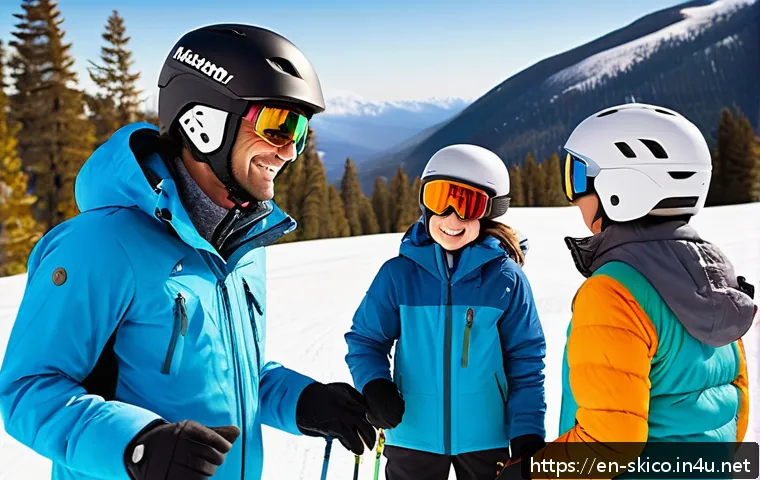
Develop a ski teaching style by matching instruction to skier goals, ability, terrain, and safety needs. Compare structured, guided-discovery, and feedback-led approaches, then use a practical lesson framework to improve consistency and decide when paid coaching or certification training is worthwhile.
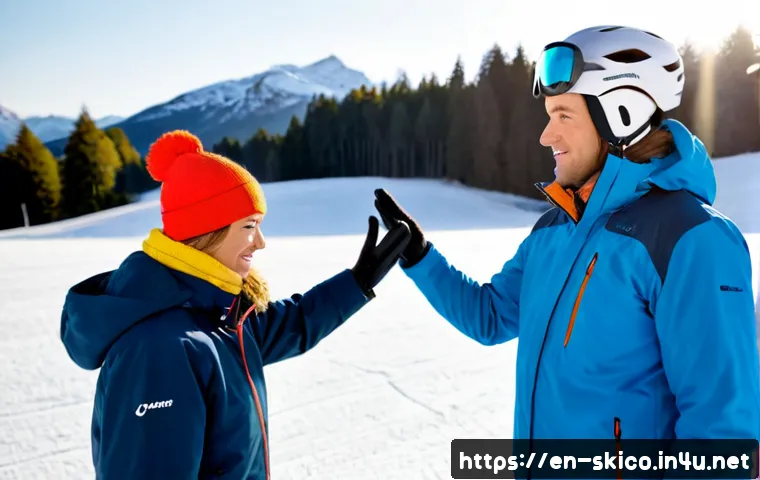
A strong ski teaching style starts with the skier in front of you, not a fixed script. Use clear outcomes, suitable terrain, short feedback, and an approach that matches confidence, experience, and the lesson goal. Structured instruction can help when safety and simple movement patterns matter most, while guided discovery and feedback-led coaching can support ownership and refinement. For instructors considering a certification course, professional development clinic, or video-feedback service, the best choice depends on the teaching skill they need to improve next. A good lesson should feel personal without becoming improvised or unclear. The aim is not to use one “perfect” method, but to make sound choices throughout the day.
At a Glance
- Use structured instruction when learners need reassurance, clear safety boundaries, or a simple first movement.
- Use guided discovery when skiers can safely experiment and benefit from noticing what changes their skiing.
- Use feedback-led coaching when a skier needs one specific next action, not a long technical explanation.
| Development option | Best fit | What to compare before choosing |
|---|---|---|
| Self-directed practice | Instructors who can identify one teaching habit to test during regular lessons | Time to reflect, a simple lesson-planning tool, and a way to record observations |
| Peer observation | Instructors who want practical feedback on communication, terrain choice, or group management | Shared expectations, observer experience, and whether feedback includes a usable next step |
| Paid clinic or workshop | Instructors seeking focused professional development in a specific area | Course scope, on-snow feedback, instructor qualifications, schedule, and total cost |
| Certification pathway | Instructors working toward a formal credential or broader teaching framework | Current requirements, assessment format, employer recognition, preparation needs, and fees |
| Video-feedback coaching | Instructors who learn well by reviewing demonstrations, body language, and lesson delivery | Quality of analysis, privacy arrangements, follow-up coaching, and whether the feedback is actionable |
Build a Teaching Style Around the Skier, Not a Script
Your teaching style should be a decision-making framework, not a performance you repeat word for word. A polished script may help you organize a lesson, but it cannot tell you whether a skier feels anxious, is ready for more challenge, or needs a simpler task. Start by observing how the skier moves, listening to what they want, and noticing how they respond to the environment.
Start With the Skier’s Goal, Confidence Level, and Prior Experience
Ask a small number of useful questions before committing to a plan. What does the skier want to do more comfortably? What terrain have they used before? Are they looking for reassurance, more consistent turns, or performance-focused feedback? Their answer gives you a starting point, but their movement and confidence on snow should shape the next decision.
For example, a skier asking for “better carving” may first need a more comfortable stance, smoother turn shape, or terrain that lets them explore without pressure. Keep the immediate goal observable and manageable. “Feel more balanced through the turn” is often easier to teach than a broad promise of advanced performance.
Balance Technical Progress, Enjoyment, and Risk Management
Technical development matters, but it should not override safety or enjoyment. Choose a task that gives the skier a realistic chance to succeed, then adjust the challenge as you see their response. A skier who is tense, fatigued, or overwhelmed may not benefit from more detail or steeper terrain.
Good risk management is part of effective teaching. Consider snow conditions, visibility, traffic, weather, group behavior, and the skier’s readiness before moving on. Terrain is a teaching tool, but it can also make a simple learning task unnecessarily difficult.
Use One Clear Outcome for Each Lesson Segment
Break a lesson into short segments with one purpose each. A segment might focus on sliding comfortably, managing speed, shaping a turn, or maintaining balance over changing snow. When the purpose is clear, your demonstration, practice task, and feedback are more likely to match.
A useful check is simple: can the skier explain what they are trying next? If not, reduce the number of ideas. Clear instruction is not about saying more. It is about making the next attempt easier to understand.
Compare Structured, Guided-Discovery, and Feedback-Led Instruction
Each approach can be valuable. The best choice depends on the learner, the group, the terrain, and the immediate lesson objective. Strong instructors move between methods without making the group feel like the plan has changed completely.
When Direct Demonstrations and Step-by-Step Cues Work Best
Structured instruction works well when skiers need clarity, reassurance, and a safe sequence. It is particularly useful for first-time skiers, unfamiliar movements, or situations where the group needs consistent boundaries. Show a simple movement, give one or two cues, let the group try it, and observe what happens.
Keep demonstrations slow enough to be readable. Position yourself so skiers can see the movement and understand where they will travel. Avoid turning a demonstration into a technical lecture; the goal is to make the next run clearer.
When Questions and Guided Experimentation Improve Learning
Guided discovery can help skiers notice cause and effect for themselves. Instead of immediately explaining every detail, ask them to compare two safe options: “Which turn felt easier to control?” or “What changed when you made the movement more gradual?” This approach can improve attention and give learners a greater sense of ownership.
Use it only when the skier has enough confidence and space to experiment safely. Do not make a nervous beginner feel as if they must solve a puzzle while managing an unfamiliar slope.
How to Combine the Approaches Without Confusing the Group
A practical blend often follows this order: give a short explanation, demonstrate one idea, offer a focused practice task, then ask one question before providing feedback. This keeps the lesson structured while allowing skiers to reflect on their own experience.
For a progressing intermediate group, you might demonstrate a turn-shape adjustment, ask the group to notice where speed changes, and then give each skier one individual action. The method changes, but the message stays connected.
Development Options: Peer Observation, Clinics, Certification, and Video Review
Professional development is most useful when it addresses a defined gap. A peer observation may help with lesson flow or communication. A ski instructor clinic may be useful for targeted on-snow coaching. A certification course may suit instructors who need a recognized pathway and a broader assessment framework. Video review can reveal whether your demonstration, positioning, and explanations match what you intended.
Before paying for a coaching package or instructor certification course, identify the skill you want to improve. Compare whether the provider offers real on-snow observation, clear feedback, and practice opportunities, rather than choosing only by credential level or marketing language.
Create a Repeatable Lesson Flow That Still Feels Personal
A repeatable framework reduces missed steps and gives you more attention for the skier. It should guide your decisions without forcing every client into the same experience.
Assess, Set a Goal, Demonstrate, Practice, Observe, and Recap
A simple lesson flow is: assess the skier, agree on a goal, demonstrate the task, allow practice, observe, give feedback, and recap the next step. You may repeat the middle steps many times. The value is in the order: you are not giving advice before you know what the skier needs.
During the recap, ask the skier what they noticed and restate the one movement or feeling to carry into their next run. This can make the lesson feel more valuable than ending with a general “keep practicing.”
Match Terrain Choice to the Skill Being Taught
Select terrain that supports the task. If the aim is balance or turn consistency, the skier needs enough room and manageable speed to feel the movement. If the terrain demands all their attention, the technical focus may disappear.
Changing terrain can be useful, but it should have a reason. Explain the change in plain language: the new area may offer more space, a gentler pitch, or a different snow feel for the task. Always reassess whether the group is ready before progressing.
Give Feedback That Is Specific, Short, and Actionable
Effective feedback answers three questions: what did you observe, what should the skier try next, and where should they focus attention? For example: “Your turns became more controlled when you stayed patient at the start. On this next run, make the first part of each turn smoother.”

Focus on one next useful movement. Long lists can make skiers feel evaluated rather than coached. If more changes are needed, decide which one will have the greatest immediate effect and return to the others later.
Avoid Teaching Habits That Reduce Learning or Safety
Even knowledgeable instructors can reduce lesson quality through habits that feel efficient in the moment. The common pattern is asking skiers to process too much while they are also managing equipment, snow, speed, and confidence.
Overloading Students With Technical Language
Technical vocabulary can be useful when the skier understands it, but it should not become the lesson itself. Translate complex ideas into a clear action, a simple image, or a short sensation to notice. Then check whether the skier understood before adding another cue.
Demonstrating Too Quickly or Using Terrain Beyond the Group’s Readiness
A fast, polished demonstration may impress an experienced skier but confuse a developing one. Slow down the movement and show the relevant part clearly. Likewise, avoid using terrain as proof of progress. A skier may need more successful repetitions before a steeper or busier area is appropriate.
Focusing on Faults Instead of the Next Useful Movement
Constantly naming errors can reduce confidence and does not automatically provide a solution. Describe what will help next. A skier does not need every possible correction at once; they need a practical task that can improve the next attempt.
Adjusting the Plan When Fatigue, Weather, or Group Dynamics Change
A lesson plan should be adaptable. Fatigue may shorten attention spans. Changing weather or visibility may affect terrain choices. In a group, one skier may need more support while another needs a variation that keeps them engaged. Adjust the task, pace, or location rather than pushing through a plan that no longer fits.
Adapt Your Approach for Common Lesson Situations
First-Time Skiers Who Need Reassurance and Simple Wins
Use a structured approach with short explanations, clear demonstrations, and achievable tasks. Give reassurance through realistic progress markers, such as becoming more comfortable with equipment or completing a simple movement under control. Keep safety instructions direct and avoid adding extra terminology before it is useful.
Intermediate Skiers Working on Confidence and Turn Consistency
These skiers often benefit from a blend of structure and guided discovery. Give them one focus, let them try it in suitable terrain, and ask what changed. Their confidence may improve when they can connect a movement with a result they can feel, rather than relying only on the instructor’s judgment.
Private Clients Seeking Performance Feedback or a Tailored Progression Plan
Private lessons allow more individual observation and a more tailored progression. Start by agreeing on priorities, then avoid trying to address everything in one session. A video-analysis service or video-feedback coaching session may help some clients and instructors review a specific movement pattern, provided the review produces a clear next practice task.
Mixed-Ability Groups That Need Safe Challenge Without Leaving People Behind
Use a shared theme with adjustable tasks. Stronger skiers might explore a more precise version of the same movement while developing skiers work on the basic version. Regroup regularly, choose terrain conservatively, and make it clear that different tasks can still serve the same lesson goal.
Selection Criteria and Comparison Summary
Choose professional development based on the teaching decision you want to improve, not only the title of the course. Check whether the training includes relevant on-snow feedback, whether the instructor’s experience fits your goals, and whether the schedule allows time to practice between sessions. Compare the full commitment, including course fees, travel where relevant, preparation, and missed work time. Review whether a certification pathway is recognized by your employer or intended workplace. If liability insurance is part of your decision, confirm coverage terms, exclusions, and employer requirements directly with the insurer, ski school, or relevant provider.
For course scope, instructor qualifications, scheduling, insurance coverage, and total cost, review the official details on the relevant provider’s page before enrolling.
Closing Thoughts
A useful teaching style is flexible, clear, and grounded in what the skier needs now. Build lessons around one visible outcome, choose terrain that supports the task, and make feedback short enough to use on the next run. Structured teaching, guided discovery, and feedback-led coaching are tools rather than competing identities. Continued observation, reflection, and targeted professional development can make those choices more consistent.
Useful Information
Lesson planning tools can be simple: a short goal, a terrain choice, a demonstration point, a practice task, and a recap question. Peer coaching is more useful when the observer watches for one agreed behavior, such as clarity of instructions or group positioning. Video review works best when it leads to one specific adjustment rather than a long list of observations.
Important Notes
Certification requirements, insurance obligations, instructor-to-student ratios, fees, and compensation structures can vary by country, resort, employer, and governing body. A method that helps one skier or group may not fit another ability level, snow condition, or risk profile. Confirm current requirements and operational procedures with the relevant ski school, training provider, governing body, or insurer.
Frequently Asked Questions
Q1. What teaching style is best for beginner ski lessons?
A1. A structured style is often a useful starting point because beginners usually need simple instructions, clear demonstrations, manageable terrain, and reassurance. Keep the focus narrow, give them time to practice, and adjust the pace if confidence or conditions change.
Q2. Is a paid ski instructor clinic worth the cost for a newer instructor?
A2. It may be worthwhile when the clinic addresses a specific need, such as lesson planning, demonstration quality, feedback, or group management. Compare the course scope, amount of on-snow coaching, instructor qualifications, schedule, and total cost before deciding. Verify current fees and recognition directly with the provider.
Q3. How can ski instructors give technical feedback without overwhelming students?
A3. Observe one priority, describe it briefly, and give one action for the next attempt. Link the feedback to something the skier can feel or see, then allow practice before introducing another idea. A clear next movement is usually more useful than a detailed explanation of every fault.