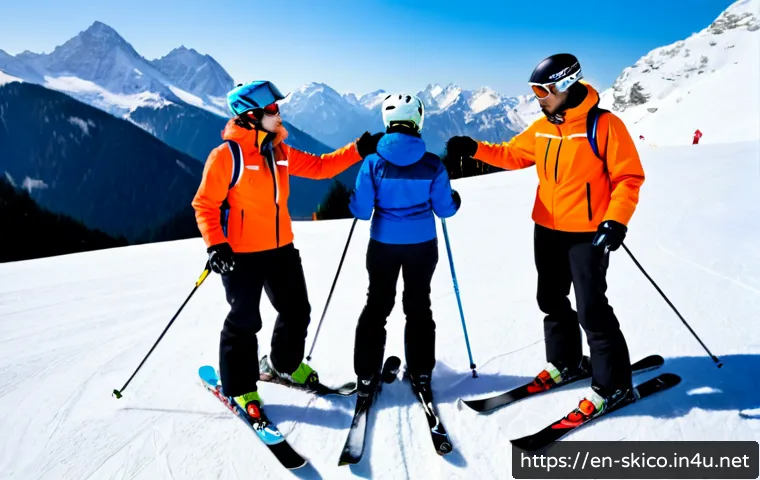
Global ski instruction is shifting toward multi-discipline coaching, guest experience, digital booking, and stronger safety standards. Compare certification routes, hiring factors, seasonal costs, and the skills that improve mobility between ski markets.
Global ski instructor work can be a strong fit for people who combine reliable teaching with guest service, safety awareness, and flexibility across markets.
International certification can help, but its value depends on the destination, employer, work-permit status, and whether the ski school recognizes the qualification.
The best route is rarely the most prestigious badge alone. Compare course content, practical teaching exposure, total seasonal costs, and the type of guests you want to teach before paying for training.
For career changers, entry-level qualifications may open local teaching opportunities; experienced instructors may benefit more from specialization, language skills, and a verified international pathway.
Resort operators, meanwhile, need staff who can teach consistently while supporting the full guest experience.
At a Glance
- Choose certification for the job you want: local entry roles, specialist coaching, and international mobility can require different pathways.
- Resorts evaluate more than skiing: communication, children’s instruction, safety knowledge, and dependability can affect hiring decisions.
- Calculate the complete season cost: training, exams, travel, equipment, insurance, lift access, and resort accommodation all matter.
| Career Route | Best-Fit Use Case | Portability Question | Time Commitment | Cost Categories to Check |
|---|---|---|---|---|
| Entry-level teaching qualification | First-time instructors seeking foundational teaching experience | Is it recognized by the local ski school or national system? | Course and assessment schedule vary by provider | Tuition, examinations, lift access, equipment, travel |
| Advanced coaching pathway | Experienced instructors pursuing higher-level or specialist work | Does the target employer accept the prerequisite and level? | May include additional training and logged teaching experience | Training, exams, travel, insurance, accommodation |
| Seasonal ski-school contract | Instructors prioritizing real teaching hours and resort experience | What certification, work authorization, and language standards apply? | Depends on the season and employer arrangement | Housing, local transport, insurance, equipment, living costs |
What Is Changing in the Global Ski Instructor Market?
The ski instructor role is increasingly shaped by guest experience, not only technical demonstration. A strong skier still needs sound movement skills and safe decision-making, but guests also remember whether the lesson felt organized, encouraging, and suited to their goals. This matters for private lessons, family bookings, beginner groups, and repeat visitors.
Demand is moving beyond technical coaching toward complete guest experience
Many ski schools need instructors who can assess ability quickly, explain a simple next step, manage a group, and keep the pace appropriate. An instructor may teach a nervous adult in the morning and help a family coordinate a children’s lesson later in the day. Technical ability supports the lesson; clear teaching and calm service make it useful to the guest.
Why multi-language communication and children’s instruction matter
Language ability can widen the range of guests an instructor can serve, particularly in international resort settings. It is not only about fluent conversation. Simple, accurate safety instructions and reassuring explanations are often essential. Experience teaching children can also be valuable because it calls for age-appropriate communication, structure, attention management, and awareness of safeguarding procedures.
The growing role of digital bookings, reviews, and instructor profiles
Digital booking systems and instructor profiles make guest-facing professionalism more visible. A clear profile, accurate availability, prompt communication through approved channels, and dependable lesson delivery can support a ski school’s service standards. Instructors should avoid promising terrain access, lesson outcomes, or conditions they cannot control.
Compare Instructor Career Routes Before Paying for Training
Training is an investment in employability, but a qualification should be judged against a specific goal. Before enrolling in an instructor certification course, decide whether you want local weekend teaching, a full seasonal role, international resort work, or a specialist coaching direction.
Entry-level teaching qualifications versus advanced coaching pathways
An entry-level route may suit someone who needs a foundation in lesson planning, beginner progression, risk awareness, and supervised teaching practice. Advanced pathways may suit instructors who already have teaching experience and want more demanding technical, coaching, or specialist responsibilities. Do not assume that an advanced-looking qualification automatically creates international access. Employers may have their own recognition rules and prerequisites.
Local employability versus international portability
Local employability means a nearby resort or ski school recognizes your qualification and has a suitable opening. International portability is broader: it involves certification recognition, language needs, work permits, employment status, and the employer’s hiring policy. Contact the target ski school or resort before committing to a course if overseas work is your main objective.
Total cost categories: tuition, exams, travel, equipment, insurance, and housing
The advertised course price is only one part of the decision. Build a complete checklist covering training fees, assessment fees, lift access, ski equipment, clothing, travel, travel insurance, local transport, meals, and seasonal accommodation. Resort-town housing can be a major practical issue, so ask whether accommodation is included, optional, shared, or entirely self-arranged. Compare costs in the currency shown by each provider and check conversion costs separately if you are paying from abroad.
What Resorts and Ski Schools Commonly Look For
Hiring decisions can combine technical assessment with operational needs. A ski school may need instructors for beginner lessons, children’s programs, private guiding within permitted resort areas, or peak holiday periods. The best candidate is often the person who meets the required standard and can deliver a consistent experience.
Technical ability, safety awareness, and teaching consistency
Instructors need to ski or ride within the expectations of their role, choose suitable terrain, and adapt lessons when conditions or group needs change. Safety knowledge matters because instructors regularly make practical decisions about spacing, stopping points, group control, and progression. Consistency matters too: guests and managers need lessons delivered with the same care across a busy season.
Guest service, teamwork, and communication skills
Professional ski instruction is collaborative. Instructors may coordinate with supervisors, rental teams, lift staff, childcare teams, and other coaches. Useful habits include arriving prepared, communicating changes early, recording required information accurately, and treating guest concerns respectfully. These qualities can be as relevant to a ski-school staffing decision as a demonstration run.
Experience with beginners, families, children, and adaptive snow sports
Teaching experience should match the role being sought. Beginners need patient explanations and achievable progressions. Families may need practical coordination across different abilities and lesson times. Children’s instruction requires appropriate safeguarding awareness and communication. Adaptive snow sports roles may involve additional training, equipment knowledge, and employer-specific requirements, so candidates should verify expectations directly.
Common Risks When Planning an International Ski Season
An overseas season can offer valuable experience, but it also creates administrative and financial decisions. Treat every destination as a separate case rather than relying on advice from another resort or a previous season.
Assuming certification recognition without confirming it
Recognition can vary by country, governing body, resort, and employer. A course provider may describe possible pathways, but the final hiring decision belongs to the relevant employer and may depend on current rules. Ask the ski school which qualifications it accepts for the exact position you want.
Underestimating accommodation and transport costs in resort towns
Housing availability can shape the entire season. Confirm the location, commute, deposit terms, utilities, shared-room arrangements, and whether staff housing is tied to continued employment. Also consider airport transfers, local buses, and the cost of moving gear. A lower-priced course can become less attractive if housing or travel is difficult to arrange.
Overlooking visa, insurance, employment-status, and tax questions

Work authorization and employment conditions can differ widely. Travel insurance may not cover all professional activities, and a policy should be checked for the activities you expect to perform. Ask the employer or relevant official source about work-permit, employment-status, tax, and insurance requirements before travel. Do not rely on a general certification description as proof that you can legally work in a destination.
Which Path Fits Your Situation?
First-time instructors building foundational experience
Prioritize a course that teaches practical lesson delivery, basic safety principles, and beginner progression. Look for transparent assessment information and realistic guidance about where the qualification may be used. A local ski school, supervised teaching opportunity, or seasonal staffing arrangement may be more useful than pursuing a distant qualification without a clear employment plan.
Experienced instructors seeking higher-end resorts or specialist roles
Experienced instructors should identify the gap between their current profile and the target role. It may be an accepted certification level, documented teaching experience, children’s instruction, language ability, adaptive snow sports training, or stronger guest-service experience. Choose the next course based on that gap, not on badge prestige alone.
Ski-school managers balancing staffing quality, training budgets, and guest demand
Managers can reduce hiring risk by defining the roles needed before recruiting: beginner group instructors, children’s program staff, multilingual private-lesson instructors, or specialist coaches. Review technical standards alongside reliability, communication, and capacity to work within school procedures. A clear onboarding process can help seasonal staff deliver a more consistent guest experience.
Choosing a Training Provider or Ski-School Contract
Compare what is included in the quoted price
Ask whether the quoted amount includes tuition, assessments, lift access, mentoring, equipment use, accommodation, meals, insurance, transport, or placement support. If an item is not clearly listed, treat it as a question rather than an inclusion. This is especially important when comparing instructor certification courses across countries.
Questions to ask about mentorship, teaching hours, assessments, and placement support
Ask how much practical teaching exposure is included, who provides feedback, how assessments work, and whether a failed assessment can be retaken. For employment-related programs, ask whether placement support means introductions, interviews, or an actual contract. Clarify the destination, certification recognition, and work eligibility separately.
A final checklist for deciding whether the investment matches your career goal
A suitable option should match your target market, current ability, teaching interests, available budget, and practical eligibility to work. Compare course inclusions before committing, and verify certification acceptance and contract conditions with the relevant ski school or employer.
Selection Criteria and Comparison Summary
Before choosing a ski instructor course or seasonal contract, check recognition for your target destination, the teaching population you want to serve, total costs beyond tuition, language and safety expectations, accommodation arrangements, and work-permit requirements. A course is more useful when its content and assessment align with the role you can realistically pursue. Review official course details and the ski school’s current employment conditions before making payment or travel plans.
Final Thoughts
Global ski instruction rewards instructors who pair technical competence with dependable service. The most practical career plan starts with a specific target: local teaching, an overseas season, children’s programs, private lessons, or specialist work. Verify recognition and employment eligibility early, then compare the complete cost of training and living in the resort. A well-matched pathway is usually more valuable than a qualification chosen only for its name.
Useful Information to Keep in Mind
1. Save written confirmation when a ski school confirms certification requirements.
2. Keep a clear record of relevant teaching, training, and language experience.
3. Read insurance wording for professional and snow-sports activity coverage.
4. Check staff housing details before accepting a seasonal role.
5. Treat placement support and certification recognition as separate questions.
Important Notes
This is a general guide, not confirmation of eligibility for a particular course, resort, country, or job. Hiring volumes, wages, visa status, certification equivalencies, lesson rates, benefits, and course costs must be checked with current providers, employers, and relevant official authorities. Individual readiness for physical demands and high-altitude work also requires personal consideration.
Frequently Asked Questions
Q1. Is it worth paying for an international ski instructor certification?
A1. It can be worthwhile if the qualification is recognized by the ski schools or markets you plan to enter. Confirm acceptance, work eligibility, total costs, and the practical teaching experience included before deciding.
Q2. What costs should I budget for before taking a ski instructor course abroad?
A2. Consider tuition, examinations, lift access, equipment, travel, travel insurance, local transport, food, and accommodation. Ask the provider exactly what is included and what you must arrange yourself.
Q3. Do ski resorts hire instructors with entry-level qualifications?
A3. Some resorts or ski schools may have roles suited to entry-level instructors, but requirements vary by employer and destination. Ask about accepted qualifications, supervision, language expectations, and current openings directly.
Q4. Which skills help ski instructors get jobs in international resorts?
A4. Useful skills can include clear guest communication, language ability, children’s instruction experience, safety awareness, teamwork, reliable administration, and the ability to teach different ability levels. The priority depends on the ski school’s guest mix and staffing needs.