Set ski lesson prices with a clear rate formula, local market comparison, package options, and peak-season adjustments. Learn when to charge more, discount carefully, and protect your teaching time.

Set your ski lesson rate from a realistic price floor, then position it against local demand, your credentials, and the value clients receive. Your advertised price needs to cover more than time on snow, including preparation, travel, booking administration, insurance, equipment upkeep, taxes, and unpaid cancellations. There is no universal hourly rate because resort rules, season timing, lesson length, and included services vary widely. A clear package structure can make booking easier for clients while giving your business more predictable revenue. Before publishing any rate, verify local resort, concession, licensing, insurance, and ski-school requirements.
At a Glance
- Start with a price floor: include paid teaching time, unpaid business time, operating costs, and the income you need from instruction.
- Offer clear choices: single lessons, half-day or full-day options, and multi-lesson packages can serve different booking needs.
- Use demand rules: peak weekends, school holidays, and major holiday periods may support different pricing than quieter weekdays.
| Pricing Option | Best For | Client Value | Business Consideration |
|---|---|---|---|
| Single private lesson | First-time clients and short visits | Simple, flexible booking | Can create more booking and administration work per teaching hour |
| Half-day lesson | Clients who want more time without committing to a full day | More practice time and continuity | May improve daily schedule efficiency |
| Full-day lesson | Families, visitors, and performance-focused clients | More time for coaching, breaks, and progression | Requires clear scope, timing, and meeting-point details |
| Multi-lesson package | Clients seeking continued development | Encourages a structured learning plan | Can improve booking value and revenue predictability |
| Peak-date rate | High-demand weekends and holiday periods | Better availability planning when demand is limited | Should be stated clearly before payment or confirmation |
Build a Lesson Rate That Covers Your Time and Business Costs
The Three-Line Answer: Start With a Price Floor, Then Position for Your Market
Your first task is not copying another instructor’s advertised rate. It is finding the minimum viable rate that allows you to teach without absorbing the hidden cost of running the business. Then compare that rate with local offers, client expectations, your lesson format, and the demand for the dates you want to sell.
A useful rate has two jobs. It must cover your business costs, and it must make sense to the client based on what is included. If your price is lower than your actual cost of delivering the lesson, a full calendar can still leave you underpaid.
Separate Teaching Hours From Travel, Preparation, and Administration
Clients may see a two-hour lesson, but your working time can begin long before the first run. Consider travel to the resort, meeting-point coordination, lesson planning, client messages, payment processing, booking changes, equipment checks, and follow-up communication.
These activities are part of delivering professional ski coaching, even when they are not billed as teaching time. Do not base an hourly lesson rate only on the time you spend skiing with the client. Doing so can make a busy schedule look profitable when unpaid work is taking a large share of the day.
Calculate a Minimum Viable Hourly or Daily Rate
Use a simple planning calculation before reviewing competitor prices:
Required lesson revenue = desired instructor income + operating costs + unpaid business time allowance.
Then divide the required lesson revenue by the teaching time you can realistically sell. You can run the same exercise for an hourly, half-day, or full-day format. The goal is not to create one “correct” number. The goal is to understand the floor below which your ski instructor business is no longer working for you.
Include costs that apply to your situation, such as liability insurance, equipment upkeep, travel, booking software, payment processing, administrative time, and tax obligations. Your exact insurance, tax, and resort-access responsibilities must be verified locally.
Compare Pricing Models for Private Ski Instruction
Hourly Versus Half-Day Versus Full-Day Lessons
An hourly private ski lesson offers a low-commitment entry point. It can be useful for clients who want a focused skill session, a quick confidence boost, or a first meeting with an instructor. However, short bookings can leave more gaps in the day and can create repeated administration.
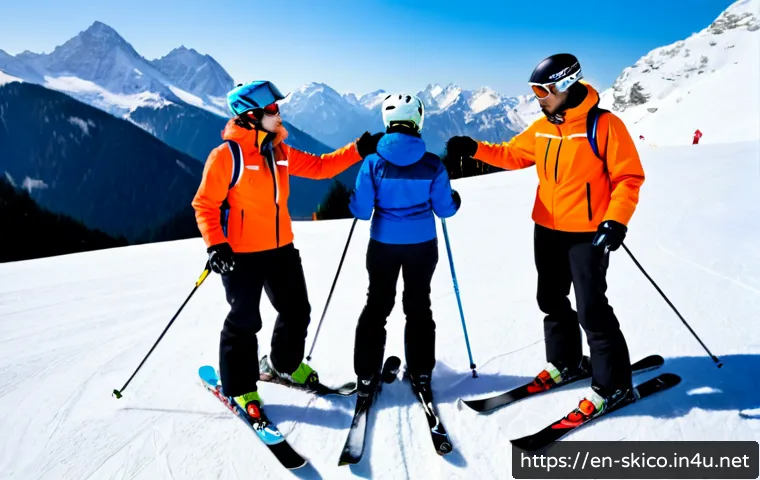
A half-day lesson gives more room for warm-up, coaching, practice, and adjustment. It can suit beginners who need a calmer pace, families coordinating several people, or visitors who prefer to keep part of the day free.
A full-day lesson may suit clients who want sustained guidance, resort orientation, or a more complete coaching experience. State the expected lesson window, breaks, meeting point, and what happens if guests arrive late. A full-day quote should not leave clients guessing about the structure of the day.
Single-Session Pricing Versus Multi-Lesson Packages
Single-session pricing keeps the choice simple. It also allows clients to test fit, teaching style, and timing before making a larger commitment. But relying only on one-off bookings can make demand less predictable.
Multi-lesson packages can encourage clients to commit to a progression plan instead of treating every session as a separate decision. The package should clearly explain what the client is buying: the number of lessons, lesson duration, scheduling window, rescheduling terms, and whether the sessions must be used within a defined period.
A package does not have to mean a steep discount. Its value may come from easier planning, continuity with the same instructor, or a structured learning focus. Protect the price floor when offering a package, especially when it creates more coordination work.
What to Include in the Quote: Instruction, Meeting Point, Planning, and Extras
Clear inclusions reduce refund requests and booking disputes. Your quote or booking page should state what the client receives and what they need to arrange separately.
- Lesson duration and planned start and end time
- Meeting point and how clients will receive final instructions
- Whether pre-lesson planning or ability discussion is included
- Group size or whether the lesson is strictly private
- Whether lift access, rentals, transport, or resort access are included, where local rules and provider arrangements allow
- Payment timing, accepted payment methods, and any payment processing details
- Cancellation, weather, rescheduling, no-show, and late-arrival policies
Do not imply that lift tickets, equipment rental, or resort access are part of the lesson unless that is accurate and permitted. Independent instructors may have resort, concession, licensing, insurance, or ski-school rules that affect what can be advertised or bundled.
A Comparison Table for Value, Flexibility, and Revenue Predictability
| Model | Flexibility for Clients | Value Message | Revenue Predictability |
|---|---|---|---|
| Hourly booking | High | A focused lesson with a smaller time commitment | Lower, because each booking is a separate decision |
| Half-day booking | Moderate | More coaching and practice time in one session | Moderate, with fewer schedule gaps than short lessons |
| Full-day booking | Lower for clients with limited time | A more complete on-snow coaching day | Potentially stronger when demand supports it |
| Multi-lesson package | Depends on scheduling terms | Continuity and a clearer learning path | Higher when clients commit to more than one session |
Adjust Rates for Demand, Experience, and Lesson Type
Weekdays, Weekends, Holiday Periods, and Peak-Season Demand
Demand is not evenly distributed across a ski season. Peak weekends, school holidays, and major holiday periods often bring stronger demand, while quieter weekdays may require a different approach. Instead of changing prices without explanation, build clear date rules into your pricing structure.
For example, you may present a standard rate for quieter dates and a peak-date rate for high-demand periods. This approach is easier to understand than negotiating every inquiry individually. It also helps clients see availability and pricing expectations before they invest time in the booking process.
Do not assume every busy-looking date supports a premium. Check your local market, resort restrictions, client segment, and available capacity. Exact competitor prices and local demand conditions need destination-specific verification.
Beginner, Family, Child, Group, and Performance-Focused Lesson Considerations
Different lesson types create different planning needs. A beginner lesson may need more careful pacing, equipment discussion, and simple terrain selection. Family and child lessons may require more coordination around ages, ability levels, comfort, and timing. Performance-focused coaching can require a more specific plan and clearer expectations.
Your rate should reflect the scope of the lesson, not just the clock. If a booking includes more planning, communication, or responsibility than a straightforward adult private session, build that workload into the quote. Be precise about group size and participant ability. A “private” lesson should not become an undefined group lesson after arrival.
When Credentials, Specialist Skills, or Language Capability Support a Premium Rate
Relevant credentials, specialist coaching skills, and the ability to teach in a client’s preferred language can influence how clients view your service. These strengths may support a premium position when they solve a real client need and are explained clearly.

Focus on accurate descriptions. State your qualifications, teaching focus, and language capability without making guarantees about outcomes. Clients should understand why your offer differs, whether they are booking beginner support, family coaching, technical development, or a lesson in a particular language.
Prevent Common Pricing and Booking Mistakes
Why Copying the Lowest Advertised Price Can Hurt Profitability
The lowest advertised rate may not represent the same service, duration, insurance position, included planning, resort access, or instructor experience. It may also exclude costs that you cannot avoid. Matching it without checking the details can push your own rate below a sustainable level.
Compare offers by structure, not by headline price alone. Look at lesson length, group size, peak-date rules, meeting arrangements, included extras, cancellation terms, and whether the instructor is operating within local resort requirements. Comparable pricing means comparable scope.
Set Cancellation, Weather, No-Show, and Late-Arrival Rules Before Taking Bookings
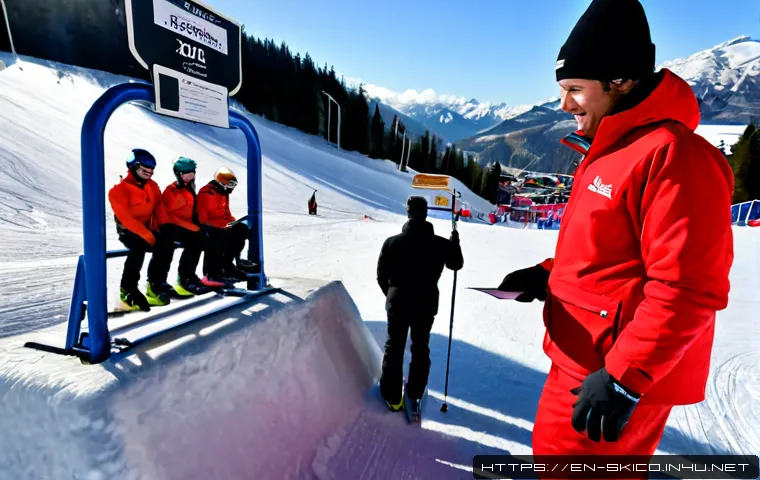
A booking policy protects both sides when plans change. Put your cancellation, weather, rescheduling, no-show, and late-arrival rules where clients can read them before paying or confirming. Use plain language and make sure your booking software, confirmation messages, and payment process present the same terms.
Weather policies deserve particular care. Ski conditions, resort operations, and safety decisions can affect a lesson, but the practical response depends on local circumstances and your agreement with the client. Avoid vague wording that leaves every decision open to dispute.
Avoid Unclear Inclusions That Create Refund Requests or Client Frustration
Many disputes begin with an assumption: a client thinks lift access is included, expects rental equipment to be arranged, assumes a late arrival extends the session, or believes a family lesson covers more people than stated. The solution is a detailed but readable quote.
Use booking confirmation messages to repeat the essentials: date, start time, meeting point, lesson duration, participant details, what is included, what is not included, and the policy for changes. A professional payment processing flow is useful only when the booking details are equally clear.
Choose a Positioning Strategy for Your Local Market
Budget-Friendly, Mid-Market, and Premium Instructor Positioning
A budget-friendly position may appeal to price-sensitive clients, but it still has to cover legitimate costs and unpaid work. A mid-market position often emphasizes clear service, dependable communication, and straightforward options. A premium position usually needs a stronger value explanation, such as specialist expertise, a distinctive lesson format, greater planning support, or language capability.
Choose the position you can deliver consistently. Price and service promise should match. A premium rate with unclear communication creates hesitation. A low rate with a highly customized service can make the workload unsustainable.
How to Review Competing Offers Without Blindly Matching Their Price
Review local ski lesson listings as a client would. Note the advertised duration, lesson type, group rules, peak-date wording, inclusions, cancellation policy, and how easily a customer can book. Then compare those details with your own price floor and operating model.
This research helps you identify gaps. Perhaps competitors make packages hard to understand, do not explain family arrangements, or hide their change policy. Your advantage may be clarity and reliability rather than being the cheapest option. Verify any resort permission rules before advertising private instruction in a particular destination.
Use Introductory Offers Carefully Without Training Clients to Wait for Discounts
An introductory offer can be useful when launching a new service, filling quieter dates, or encouraging clients to try a new package. Keep the purpose specific and the conditions visible. Avoid constant, open-ended discounting that teaches clients to delay booking until the next promotion.
Value-led offers can be safer than broad price cuts. For example, present a clearly defined package structure or make a quieter weekday option easy to find. The important point is that the final rate still covers your costs, booking administration, and business obligations.
Selection Criteria and Pricing Comparison Summary
Before you publish a ski lesson price or package, check these decision points:
- Price floor: Does the rate cover teaching time, unpaid work, operating costs, insurance, equipment upkeep, taxes, and cancellations relevant to your business?
- Local positioning: Does the lesson scope compare fairly with local offers without blindly matching the lowest price?
- Demand rules: Are peak weekends, school holidays, and quieter dates handled clearly?
- Inclusions: Can clients see what is included and what they must arrange themselves?
- Booking policy: Are cancellation, weather, late-arrival, and rescheduling terms visible before confirmation?
- Compliance: Have you checked resort, concession, licensing, ski-school, and liability insurance requirements?
Compare your final rate against your costs, local positioning, and booking policy before publishing it. When evaluating booking software, insurance options, or payment processing services, review the official terms and coverage details on the relevant provider page.
Closing Thoughts
A strong ski lesson price is not simply an hourly number copied from a nearby listing. It is a clear business decision based on your costs, available teaching time, client value, and local demand. Offer formats that are easy to compare, explain exactly what clients receive, and set policies before a problem occurs. Review your rates during the season when demand patterns, operating costs, or your lesson mix changes.
Useful Information to Know
Keep a simple rate sheet. List every lesson format, peak-date rule, inclusion, and booking policy in one place. Use the same wording across your website, booking software, payment messages, and client confirmations. Consistency reduces confusion and makes your small snowsports business easier to manage.
Important Considerations
Exact local market rates, resort permissions, tax obligations, insurance coverage requirements, and competitor pricing must be checked for each destination. There is no universal profitable hourly rate or margin for independent ski instructors. Whether lift tickets, rentals, transport, or resort access can be included depends on local rules and provider arrangements.
Frequently Asked Questions
Q1. How much should an independent ski instructor charge per hour?
A1. Start by calculating a price floor that covers teaching time, unpaid administration, travel, preparation, insurance, equipment upkeep, taxes, and other operating costs relevant to your business. Then compare your lesson scope with local offers and demand conditions. There is no universal hourly rate that fits every instructor or resort.
Q2. Is it better to sell ski lessons by the hour or as half-day and full-day packages?
A2. A mix can work well. Hourly lessons offer flexibility, while half-day and full-day options can provide more coaching time and reduce schedule gaps. Multi-lesson packages may also improve booking value by encouraging continued instruction. Choose formats that suit your clients, your operating schedule, and your minimum viable rate.
Q3. Should ski instructors charge more on weekends and holiday periods?
A3. Higher-demand dates can justify different pricing rules when availability is limited and demand is stronger. State peak-date terms clearly before clients book, and check local market conditions rather than assuming every weekend should carry the same rate.